

You bought three gold chains. You put them on. Five minutes later, they’ve twisted into a knot that takes ten minutes to undo. This isn’t bad luck — it’s bad geometry. Tangling happens when chains fight each other. Fix the physics, and the knots disappear.
1. The 2-Inch Length Gap Rule
This is the single most important rule. If two chains are within 1 inch of each other in length, they will tangle. Period. The solution is simple: every chain in your stack needs at least a 2-inch difference from its neighbor.
Here’s a working stack that stays flat all day:
| Chain Position | Length | Where It Falls |
|---|---|---|
| Choker | 14-16 inches | At the collarbone |
| Mid-length | 18-20 inches | Below the collarbone, above the sternum |
| Long | 22-24 inches | At the sternum or below |
| Extra-long | 28-30 inches | Below the bust |
Pick three from different rows. Never pick two from the same row. The 14-inch choker with an 18-inch mid-length chain works. The 14-inch with a 16-inch choker? Tangled in ten minutes.
Why this works
Chains tangle when they can cross each other at the same height. A 2-inch gap means each chain hangs at a different curve. They barely touch. Gravity keeps them separate.
2. Mix Chain Weights — Don’t Match Them
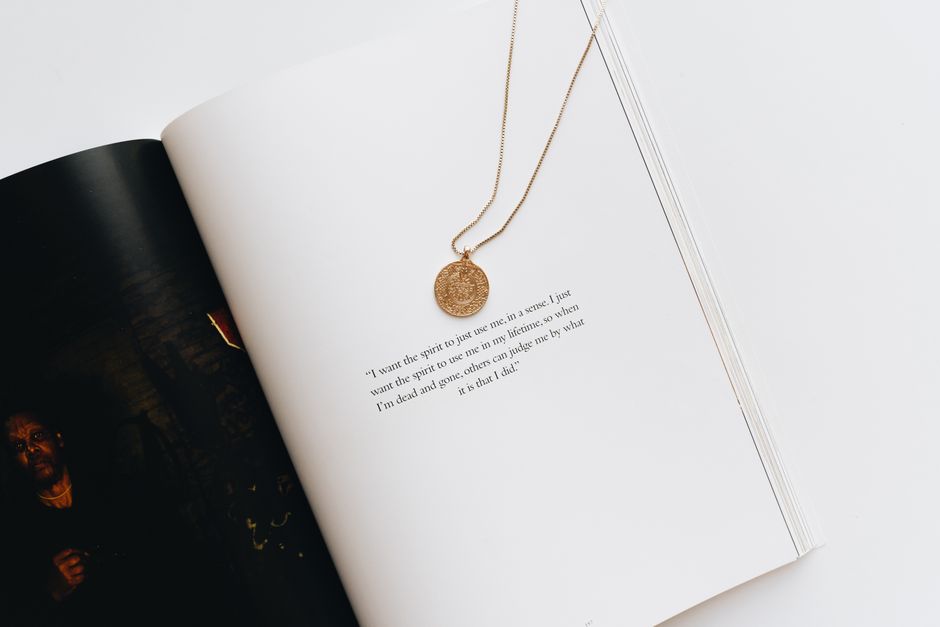
Here’s the mistake everyone makes: buying three chains that look the same weight. Three delicate 0.5mm cables. They twist together like spaghetti. The fix is to pair a heavy chain with a light one.
A 2mm curb chain (around $80–$150 from Missoma or Mejuri) has enough weight to hang straight. Pair it with a 0.8mm trace chain (around $60–$100 from Catbird or Vrai). The heavy chain acts like an anchor. The light chain moves around it. They don’t tangle because one is too heavy to flip over the other.
Three weight categories to mix:
- Delicate: 0.5mm–1mm cable or trace chains. Light, moves freely.
- Medium: 1.5mm–2mm curb, Figaro, or rolo chains. Noticeable weight, stays in place.
- Statement: 3mm+ chain, or a chunky pendant on a 2mm chain. Heavy, barely moves.
Pick one from each category. Never stack two delicates alone.
3. Clasp Types Matter More Than You Think
Lobster clasps are the standard. They’re also the worst for layering. Here’s why: a lobster clasp catches on other chains when you turn your head. It acts like a tiny hook. Every time it snags, you get a knot.
Spring ring clasps are better — they’re round and smooth, nothing to catch. But the best option for layering is a magnetic clasp (around $15–$30 on Amazon or Etsy, easy to swap onto any chain). Magnets close flush. No hooks. No snags.
If you’re buying new chains specifically for layering, look for ones with box clasps or toggle clasps. Brands like Missoma and Mejuri offer toggle clasps on some of their mid-weight chains. They close flat against the neck. Nothing sticks out to grab the chain next to it.
4. Pendants Change Everything — Use Them as Anchors

A pendant on a chain changes how that chain behaves. The weight of the pendant pulls the chain down. It hangs straighter. It’s less likely to flip over a neighboring chain.
Here’s the trick: put the pendant on your longest chain, not your shortest. A 22-inch chain with a 5-gram gold pendant (like the Mejuri Small Dôme Pendant, $190) pulls that chain tight against your chest. The shorter chains above it have nothing to tangle with — the long chain is pinned in place.
Stack idea that works:
- 16-inch trace chain (no pendant)
- 20-inch cable chain with a small coin pendant
- 24-inch curb chain (no pendant)
The pendant on the middle chain stops it from flipping. The 16-inch and 24-inch chains are far enough apart they never touch. Zero tangles.
5. The “Braid Test” — A 10-Second Check Before You Leave
You’ve stacked your chains. They look good. Before you walk out the door, do this: turn your head sharply to the left, then to the right. If you feel any chain catch or pull, you have a tangle waiting to happen.
Fix it now. Unclip the chain that’s catching. Shorten or lengthen it by one clasp position. Or swap it for a different weight. This test catches 90% of tangling problems before they start.
It sounds obvious. Nobody does it. Start doing it and you’ll stop arriving at brunch with a knot you can’t undo.
6. When NOT to Layer — Three Situations Where It Fails

Layering isn’t always the answer. Here’s when to skip it entirely:
1. High-collared tops. Turtlenecks, crewnecks, and high-neck blouses push chains against each other. They have nowhere to hang freely. They tangle immediately. Wear a single long chain (28 inches or longer) over a high collar instead.
2. Very fine chains (under 0.5mm). These chains weigh almost nothing. They float. They tangle with each other and with your hair. Save them for solo wear. If you want a delicate look, use a single 0.8mm chain — it’s thin enough to look delicate but heavy enough to hang straight.
3. More than four chains. Four is the practical limit. Five chains, even with perfect spacing, start to interact. They cross. They twist. You spend the day untangling. Three is the sweet spot. Four works if you’re careful. Five is a mistake.
7. The One Chain That Fixes Everything
If you own nothing else for layering, buy a 22-inch 2mm curb chain in 14k gold. Brands like Missoma ($195) and Vrai ($220) sell them. It’s heavy enough to hang straight. It’s long enough to clear shorter chains. It works with everything from a 14-inch choker to an 18-inch pendant chain.
This one chain is the anchor for any stack. Start with it. Add a 16-inch trace chain above it. Done. Two chains, no tangles, looks intentional.
That’s the whole system. Three chains, 2-inch gaps, mixed weights, one pendant, magnetic clasp if you can. Walk out the door. Don’t touch your neck for the rest of the day.