
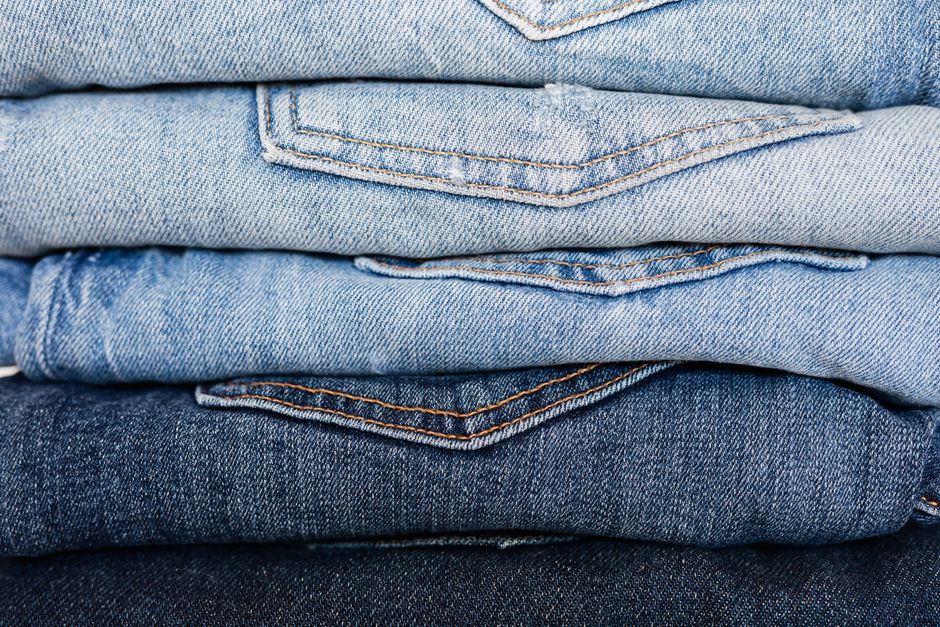
Most jeans fall apart within 18 months. A study by the University of Leeds found that cheap denim loses 30% of its tensile strength after just 10 washes. The average person buys three new pairs per year, spending roughly $240 annually on denim that looks faded and tired by spring. This cycle is expensive and wasteful. You can break it by choosing one pair of well-made jeans that will outlast a dozen fast-fashion replacements. Here is exactly how.
What Makes Denim Last? The Three Pillars of Longevity
Denim durability comes down to three things: fiber quality, construction method, and fabric weight. Most brands skip at least one of these to cut costs.
Fiber: Long-Staple Cotton vs. Short-Staple
Long-staple cotton fibers (1.25 inches or longer) create smoother, stronger yarns. Short-staple fibers (under 1 inch) create fuzzy, weak yarns that pill and break. Japanese mills like Kaihara and Kurabo use almost exclusively long-staple cotton. Brands like Levi’s Premium and Nudie Jeans source from these mills. A pair of Nudie Jeans Lean Dean Dry ($225) uses organic long-staple cotton from Turkey or Italy. The difference is visible: the weave looks clean, not fuzzy.
Construction: Selvedge vs. Non-Selvedge
Selvedge denim is woven on shuttle looms, producing a clean self-edge that prevents fraying. It costs more because production is slower — about 30 meters per hour versus 300 meters for projectile looms. But the fabric holds its shape longer. Uniqlo’s Selvedge Straight Jeans ($49.90) are the cheapest entry point that still offers genuine selvedge construction. The tradeoff? The denim is lighter (12.5 oz) than premium options.
Weight: Why 14 oz Is the Sweet Spot
Denim weight is measured in ounces per square yard. Lightweight (under 12 oz) denim fades fast and tears easily. Heavyweight (over 16 oz) is stiff and uncomfortable for daily wear. The sweet spot is 14–15 oz. This weight gives you the durability of heavy denim with a break-in period of about two weeks. Wrangler 13MWZ Cowboy Cut Jeans ($39.99) are 14.75 oz. They are the most durable jeans under $50, period.
The Five Denim Cuts That Never Go Out of Style

Trends come and go, but these five cuts have been in continuous production for decades. They work for most body types and most occasions.
- Straight Leg: The most versatile cut. Works with boots, sneakers, and loafers. Levi’s 501 Original Fit ($69.50) is the gold standard. Same pattern since 1890.
- Bootcut: Slightly flared from the knee down. Balances wider hips and fits over boots. Wrangler 13MWZ ($39.99) is the reference here.
- Slim Straight: Fitted through the thigh with a straight leg opening. Modern without being skinny. Nudie Jeans Gritty Jackson ($225) is a solid choice.
- Relaxed Taper: Room in the top block, tapered below the knee. Good for athletic builds. Uniqlo Relaxed Tapered Jeans ($49.90) offer a clean silhouette.
- High-Rise Straight: Waist sits at or above the navel. Flattering for most body types. Levi’s Wedgie Fit ($69.50) is a modern classic.
One rule of thumb: avoid cuts that are too tight in the thigh or too loose in the waist. Denim stretches about half an inch with wear, but it will not shrink back. Buy for the fit you want after two weeks of wear.
Raw Denim vs. Washed Denim: Which One Lasts Longer?
Raw denim is unwashed after dyeing. The indigo is still locked into the fibers. Washed denim has been rinsed or stonewashed to soften it and remove excess dye. Raw denim lasts longer — about 3–5 years of regular wear versus 1–2 years for washed denim — because the fiber is less stressed.
But raw denim requires commitment. It is stiff for the first two weeks. It will bleed indigo onto light furniture. You cannot wash it for at least six months if you want high-contrast fades. If that sounds annoying, buy a one-wash version (pre-soaked but not stonewashed). Nudie Jeans offers a “Dry” and “One-Wash” version of every cut. The One-Wash is softer but still 95% as durable as raw.
If you want convenience, go with a dark wash (not stonewashed or distressed). Dark wash denim has been rinsed once to remove excess dye but not mechanically abraded. It retains most of its fiber strength. Levi’s 501 in Rigid ($69.50) is technically raw denim but pre-shrunk. It is the easiest entry point into long-lasting denim.
Three Mistakes That Kill Your Jeans Early
You can buy the best jeans in the world and ruin them in six months. Here is what destroys denim fastest.
Mistake 1: Washing too often. The friction and agitation in a washing machine break down cotton fibers. Wash your jeans every 10–15 wears, not every wear. When you do wash, turn them inside out, use cold water, and hang dry. Heat from dryers accelerates fiber degradation by 40% according to textile research from the University of Borås.
Mistake 2: Buying the wrong size. Denim stretches. If you buy jeans that are tight in the waist, the fabric will pull at the seams — specifically the crotch seam, which is the first to blow out on most pairs. The crotch seam on a too-tight pair of jeans fails after 6–12 months. Buy jeans that fit comfortably at the waist without a belt. If you need a belt to keep them up, they are too big.
Mistake 3: Ignoring the crotch blowout. Once the fibers in the crotch area start fraying, you have about 20 wears before a hole appears. Catch it early and take the jeans to a tailor for a crotch patch. A good repair costs $15–$25 and adds two years of life. Nudie Jeans offers free repairs on any pair, regardless of where you bought them. This alone makes them worth the price.
Price vs. Value: What You Actually Get for Your Money
| Price Range | Typical Weight | Construction | Lifespan (Regular Wear) | Best Pick |
|---|---|---|---|---|
| $30–$60 | 10–12 oz | Non-selvedge, short-staple cotton | 1–2 years | Wrangler 13MWZ ($39.99) |
| $60–$120 | 12–14 oz | Non-selvedge, long-staple cotton | 2–3 years | Levi’s 501 Rigid ($69.50) |
| $150–$250 | 14–16 oz | Selvedge, long-staple cotton | 3–5 years | Nudie Jeans Lean Dean ($225) |
| $250+ | 14–21 oz | Selvedge, Japanese or Cone Mills | 5–10 years | Iron Heart 634S ($395) |
The sweet spot for most people is the $60–$120 range. You get long-staple cotton and decent construction without paying for selvedge or exotic mills. If you wear jeans daily and want them to last five years, jump to the $150–$250 range. The selvedge construction and heavier weight make a genuine difference.
When Not to Buy Expensive Denim

Not everyone needs $200 jeans. Here is when you should spend less.
You change sizes frequently. If you are losing or gaining weight, expensive denim is a waste. Buy Uniqlo Selvedge Straight Jeans ($49.90) until your size stabilizes. They are good enough for 2–3 years.
You work in a physically demanding job. Construction workers, mechanics, and farmers destroy denim fast regardless of quality. The abrasion from kneeling and friction from tools will shred any fabric. Buy Wrangler 13MWZ ($39.99) in bulk. They are cheap enough to replace every year.
You want stretch denim. Stretch denim (1–2% elastane) lasts about half as long as 100% cotton because the elastane fibers break down from heat and friction. If you need stretch for comfort, buy Levi’s 511 Slim Fit ($59.50) and accept that you will replace them every 18 months. Do not spend $200 on stretch denim.
How to Test Denim Quality in 30 Seconds
Before you buy, run this quick check in the store.
- Rub the fabric between your thumb and forefinger. Does it feel rough or smooth? Smooth indicates long-staple cotton. Rough means short-staple fibers that will pill.
- Check the inside of the waistband. Is it a separate piece of fabric sewn on, or is it folded over from the main denim? Folded waistbands are cheaper and stretch out faster. Separate waistbands hold their shape.
- Look at the button. Is it metal or plastic? Metal buttons (brass or zinc alloy) last decades. Plastic buttons crack within two years. Levi’s uses metal buttons on all 501s. Uniqlo uses metal on selvedge models only.
- Pull the fabric diagonally. Does it snap back or stay stretched? Good denim has high tensile recovery. If the fabric stays stretched, it will bag out at the knees within hours.
If a pair passes all four tests, it will last at least three years with proper care. If it fails two or more, buy it only as a cheap beater pair.
The single most important takeaway: buy one pair of 14–15 oz selvedge denim in a straight or slim straight cut, wash it every 15 wears inside out in cold water, and it will outlast ten pairs of fast-fashion jeans.