

If you’re picking between a cashmere sweater and a merino wool sweater for fall, here’s the short version: cashmere is warmer for its weight, but merino wool is more durable and easier to care for. For most people, merino wins for everyday wear. Cashmere is a luxury upgrade for low-abrasion situations like office days or date nights.
Warmth: Cashmere feels softer, merino traps heat differently
Cashmere comes from the undercoat of cashmere goats. Those fibers are hollow and extremely fine — typically 14–16 microns. That hollow core traps still air, which is what actually insulates you. A 200g cashmere sweater can feel warmer than a 300g merino sweater because of that air-trapping structure.
Merino wool fibers are also fine (17–20 microns for good quality) but they’re solid. They rely on crimp — the natural wave in the fiber — to create air pockets. Merino also wicks moisture away from your skin, which matters when you’re active. Wet wool loses insulation. Cashmere absorbs more moisture and takes longer to dry.
What this means for fall layering
For a 50°F day with no wind, a cashmere crewneck (around $150–$300 from Naadam or Quince) is plenty warm under a light jacket. For the same temperature with wind or light rain, a merino mid-layer from Icebreaker or Smartwool (around $100–$180) will keep you warmer because it handles moisture better.
Bottom line: Cashmere wins on warmth-to-weight ratio in dry cold. Merino wins in variable fall conditions where moisture or wind is present.
Durability: Merino survives wear and tear. Cashmere pills.
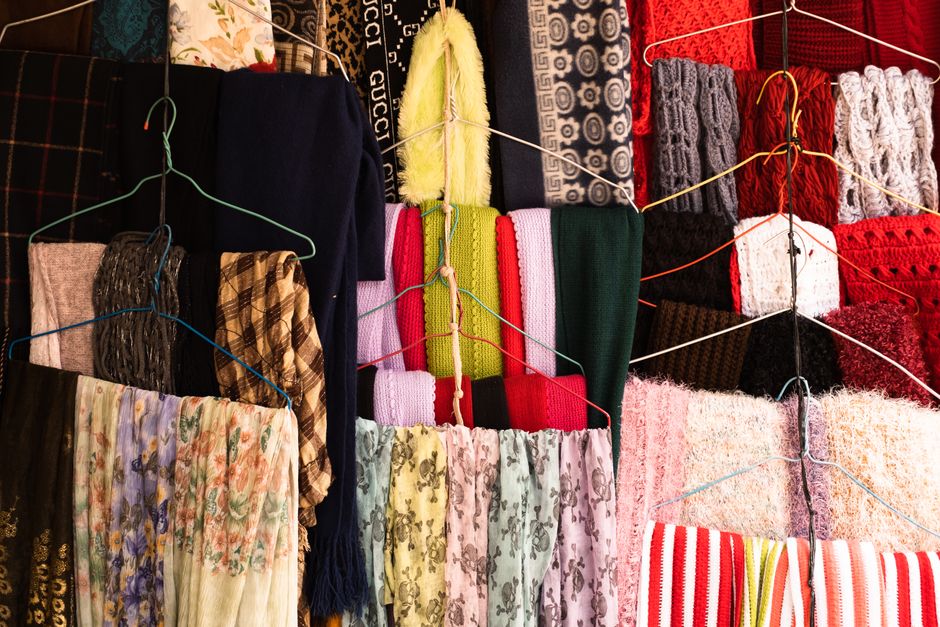
This is where most people get burned. Cashmere is fragile. The short, fine fibers rub against each other and form pills — those little fuzz balls — after just a few wears. A $400 Brunello Cucinelli cashmere sweater will pill if you wear it under a backpack strap. That’s not a defect. It’s physics.
Merino wool fibers are longer and stronger. They resist abrasion better. A Smartwool Classic Thermal Crew ($110) worn twice a week for a full fall season will look nearly new. A cashmere sweater worn the same way will show pilling by week three.
How to make cashmere last longer
- Wear it only against bare skin or a silk layer — no rough fabrics like denim
- Hand wash in cold water with Eucalan wool wash ($12) — no wringing
- Lay flat to dry away from heat
- Use a fabric shaver (Conair Battery-Powered Fabric Shaver, $10) after every 3–4 wears
Bottom line: If you want a sweater that survives a season of daily wear, buy merino. If you’re okay with careful maintenance, cashmere can last for years.
Price per wear: Which is actually cheaper?
| Sweater type | Typical price | Expected wears (with care) | Cost per wear |
|---|---|---|---|
| Budget cashmere (Quince, Naadam) | $80–$130 | 30–50 | $1.60–$4.30 |
| Premium cashmere (Loro Piana, Brunello Cucinelli) | $600–$1,200 | 100–200 | $3.00–$12.00 |
| Merino base layer (Smartwool, Icebreaker) | $90–$140 | 100–150 | $0.60–$1.40 |
| Merino sweater (Wool&, Unbound Merino) | $100–$180 | 150–250 | $0.40–$1.20 |
The numbers don’t lie. Merino wool costs less per wear even when you buy the premium stuff. Cashmere’s lower durability means you replace it more often.
Care and maintenance: The real hidden cost
Cashmere requires hand washing or dry cleaning. A dry cleaning bill of $8–$12 per sweater adds up fast. After 20 wears, you’ve spent $160–$240 just on cleaning — often more than the sweater itself.
Merino wool is machine washable on a gentle cycle. Smartwool’s website says you can machine wash their merino on cold and tumble dry low. That’s it. No special soap required, though a wool-specific detergent like Soak Wash ($14) helps.
One mistake people make is putting cashmere in the washing machine on “gentle” and hoping for the best. That shrinks it by half. I’ve done it. It’s not fixable.
When cashmere makes sense (and when it doesn’t)
Buy cashmere when:
- You work in an office and sit at a desk all day
- You want a dressy, soft layer for evenings out
- You’re willing to hand wash and de-pill regularly
- You have a budget for replacement every 2–3 seasons
Skip cashmere and buy merino when:
- You commute by bike, train, or walking
- You wear a backpack or shoulder bag
- You want one sweater to last 5+ years
- You hate hand washing
Common buying mistakes and how to avoid them

Mistake 1: Buying “cashmere blend” thinking it’s cheaper cashmere. A 10% cashmere / 90% acrylic sweater costs $40 but wears like plastic. You get none of the warmth or softness. If the label doesn’t say 100% cashmere, assume it’s not cashmere.
Mistake 2: Assuming higher price means more durable. A $1,000 cashmere sweater pills just as fast as a $100 one. Price in cashmere pays for fiber length and softness, not toughness.
Mistake 3: Wearing merino directly under a scratchy wool coat. Merino is soft enough for most people, but if your coat lining is rough, the friction will cause pilling on the merino too. Wear a smooth lining or a silk base layer.
Final verdict: One sweater for fall
For a single sweater that does everything — keeps you warm, survives daily wear, handles a light rain, and lasts more than one season — buy a midweight merino crewneck from Smartwool or Wool&. The Smartwool Classic Thermal Crew ($110) is my pick. It’s 250g/m², machine washable, and I’ve had mine for three years with no pilling.
If you already have merino and want a dressier option for special occasions, add a cashmere sweater from Quince ($90) or Naadam ($95). Just know you’re trading durability for that buttery feel.