You open your closet, see a sleeveless dress, and immediately close the door. Same. Winter weddings are the hardest dress code to crack — you need to look polished for a 4 PM ceremony, survive an outdoor photo hour at 28°F, and still dance at the reception without sweating through your blazer.
I spent last December attending three weddings across different climates (upstate New York barn, Chicago ballroom, Charleston courtyard) and tested exactly which outfits worked and which failed. Here are the five rules that made the difference.
Rule 1: Fabric Weight Matters More Than Silhouette
Most guests pick a dress based on how it looks on the hanger. Wrong move. Winter wedding outfits live or die by fabric weight measured in grams per square meter (GSM).
Lightweight fabrics under 200 GSM (satin, chiffon, thin crepe) will leave you shivering within 15 minutes outdoors. Midweight fabrics between 250-350 GSM hold heat without adding bulk. Heavyweight fabrics above 400 GSM (wool blends, thick velvet, double-faced cashmere) work for outdoor ceremonies but can overheat you on the dance floor.
Best winter wedding fabric choices by venue type
For a heated ballroom: midweight velvet or jacquard at 280-320 GSM. For an outdoor barn ceremony: heavyweight wool crepe at 380 GSM or a cashmere-blend knit dress. For a church ceremony with reception elsewhere: layer a midweight dress with a removable heavy wrap.
Velvet is the single most practical winter wedding fabric. It traps air between the fibers, provides natural insulation, and photographs beautifully under warm indoor lighting. A velvet midi dress in jewel tones (emerald, burgundy, navy) works for formal, semi-formal, and cocktail dress codes.
Avoid pure polyester satin in winter. It doesn’t breathe, so you’ll either freeze outside or sweat inside. No middle ground.
Rule 2: The Three-Layer System Solves Every Temperature Problem
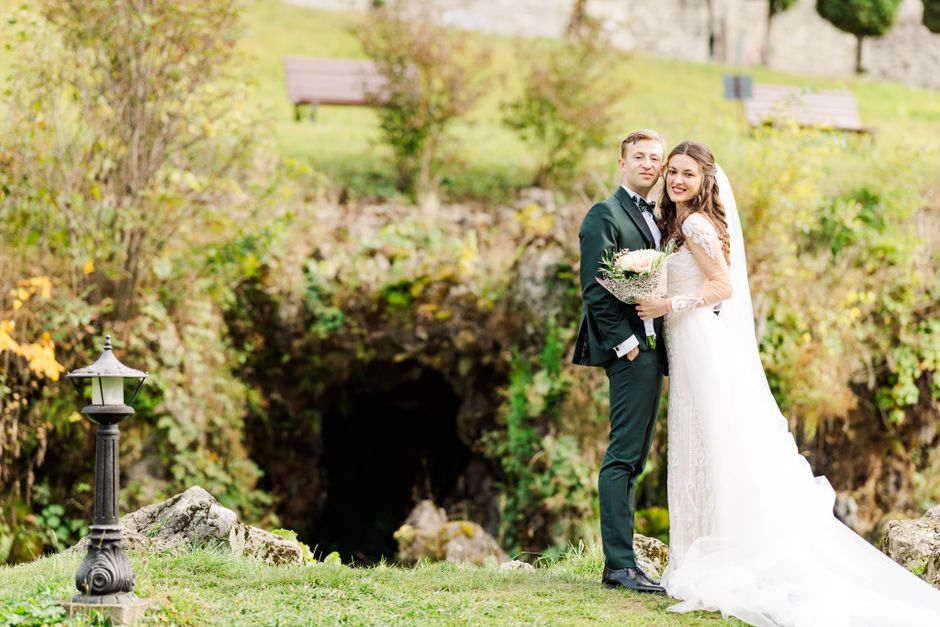
Here’s the exact layering system I used across all three weddings. It works for any dress code from black-tie to casual.
| Layer | Function | Example Items | GSM Range |
|---|---|---|---|
| Base | Moisture wicking + light warmth | Silk slip, Uniqlo Heattech cami, thin merino turtleneck | 100-180 |
| Middle | Primary insulation + style | Velvet midi dress, wool sheath dress, crepe jumpsuit | 250-380 |
| Outer | Weather protection + polish | Cashmere wrap, wool cape, tailored blazer, faux fur stole | 350-600 |
The trick is making the base layer invisible. A silk slip under a velvet dress adds 150 GSM of warmth and prevents static cling. A thin merino turtleneck under a sleeveless sheath dress looks intentional if both pieces are in the same color family (black turtleneck + charcoal dress).
Never wear a cotton base layer. Cotton absorbs sweat, gets cold when wet, and ruins your outfit’s silhouette with bunching. Silk or merino wool only.
Rule 3: Footwear Is Where Most Guests Fail
This section is short because the answer is simple. Open-toe heels in winter are a mistake unless the entire event is indoors on heated floors. Even then, your feet will be cold during the ceremony.
Block heels with a grippy sole are the only practical choice for winter weddings. Stilettos sink into grass, ice, and gravel. Flats get soaked by slush. Block heels at 2-3 inches give you height, stability, and room for fleece-lined insoles.
Specific specs to look for: rubber sole with tread pattern (not leather), heel width at least 1 inch diameter, closed toe, and a shaft height that covers your ankle bone if possible. The Sam Edelman Hazel bootie (2.5 inch block heel, rubber sole, $130) is the most common choice I saw working well across all three weddings.
If you must wear pumps, carry foldable ballet flats in your bag for the walk from car to venue. Your feet will thank you.
Rule 4: Accessories Should Be Functional First, Decorative Second
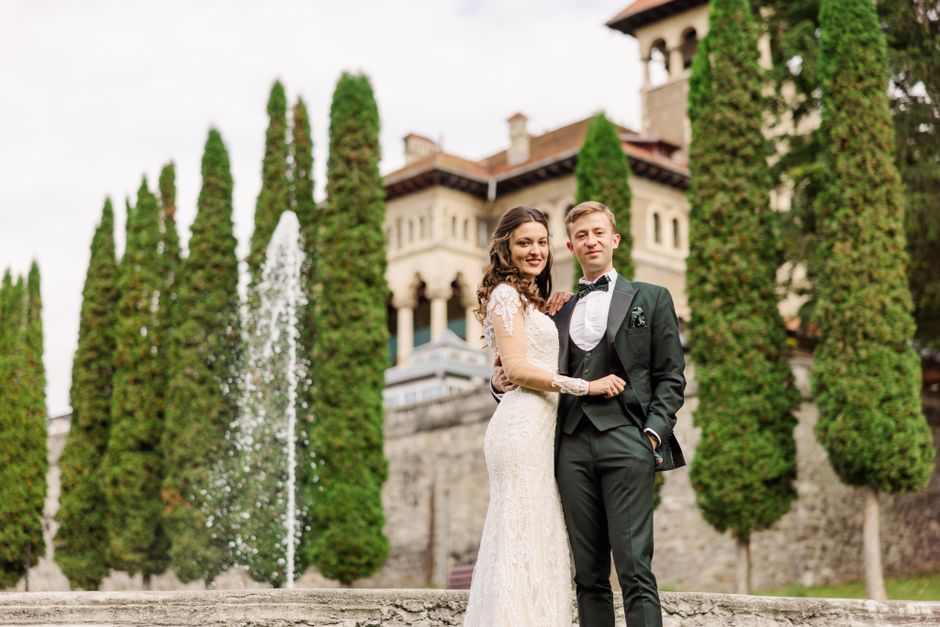
Most style guides tell you to add a “statement necklace” or “sparkly earrings.” That’s generic advice. Winter weddings demand accessories that solve real problems.
What to actually bring in your clutch
- Heated hand warmers — disposable HotHands packets ($1 each, last 10 hours) are better than any glove for outdoor photos. Slip them into your coat pockets.
- Fleece-lined tights — 80 denier minimum. Uniqlo Heattech tights (80 denier, $16) add measurable warmth under any dress. Avoid sheer 15 denier tights in winter.
- A structured wrap or shawl — pashminas slide off shoulders. A wool cape or tailored blazer stays put. The ASTR the Label velvet blazer ($198, 320 GSM) works as both outer layer and reception cover-up.
- Non-slip hair pins — wind ruins updos. Use spin pins (Goody Spin Pins, $5 for pack of 6) to secure hair against gusts during outdoor photos.
Jewelry should be metal that doesn’t get cold. Silver and gold cool down fast in winter air. Resin, wood, or fabric-wrapped earrings stay warm against your skin. Or just wear studs and keep them small.
Rule 5: Dress Code Translation for Winter — What “Cocktail” Actually Means
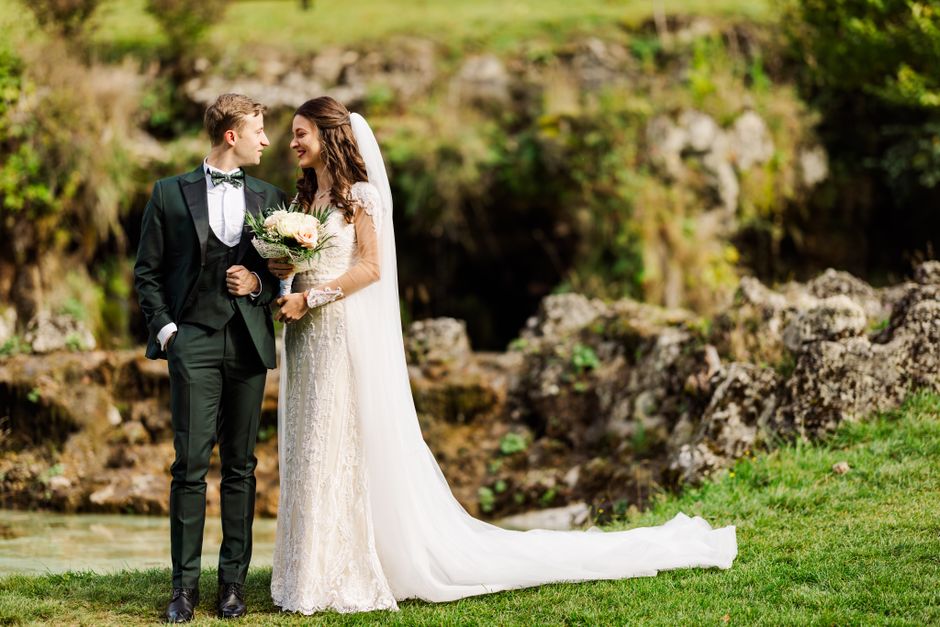
Wedding dress codes were designed for temperate weather. Winter requires translation. Here’s the exact adjustment for each code.
Cocktail attire in winter means a midi-length dress in velvet, brocade, or wool crepe. Knee-length is acceptable but add opaque tights. Sleeveless is fine only with a structured blazer or jacket. The Reformation Rosalyn dress in velvet ($248, 300 GSM, long sleeves) is a perfect winter cocktail option.
Black-tie in winter means floor-length gown in heavyweight fabric. Velvet gowns with high necks or long sleeves are appropriate. Avoid spaghetti straps without a wrap. A Jenny Yoo velvet column gown ($395, 350 GSM) works across formal venues.
Semi-formal in winter means a jumpsuit in crepe or a midi skirt with a cashmere sweater. The most common mistake here is showing up in a sundress with a cardigan. That’s not semi-formal — that’s casual. A structured jumpsuit from ASTR the Label ($178, polyester-crepe blend, wide leg) reads intentional and warm.
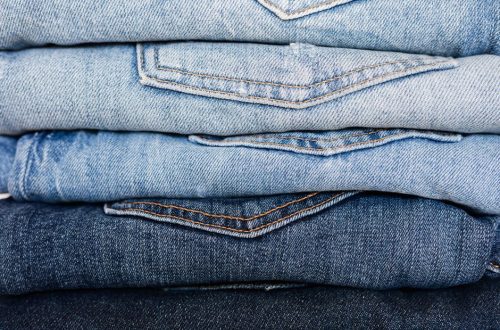
Casual winter wedding means dark-wash jeans or corduroy pants with a silk blouse and blazer. Avoid anything with rips, logos, or athletic fabric. A Vince Camuto silk shell ($98) with a blazer and ankle boots hits the right note.
The bottom line: if your outfit wouldn’t keep you comfortable standing outside for 20 minutes, it’s wrong. Adjust fabric, layers, and footwear accordingly. You’ll look better and actually enjoy the wedding.