The Dupe Myth Worth Killing First
Most budget fashion advice treats “dupe” like a quality category. It isn’t. A dupe is a design reference — whether it looks expensive depends entirely on fabric, construction, and proportion. A $30 Amazon blazer can outshine a $200 fast fashion piece, or it can look like a costume. The price gap tells you almost nothing.
The real question isn’t where to buy. It’s what to look for when you get there.
Five Signals a Dupe Is Genuinely Worth Buying
Most guides skip this part. They tell you to “check the fabric” without explaining what that actually means at the rack or checkout page.
Fabric weight and drape
Hold the garment up. Does it hang straight or bunch and pucker? Cheap polyester clings, creases within minutes, and has a slight sheen that photographs terribly. Quality dupes use heavier wovens, viscose blends, or structured materials that fall cleanly. The Zara Studio line uses noticeably heavier fabric weights than its standard line — the difference is visible on a hanger. Mango’s Committed collection uses recycled fabrics that drape better than most mid-market equivalents at similar price points.
Seam finishing
Flip the garment inside out. A high-end-reading piece has French seams, overlocked edges, or at minimum clean topstitching with no puckering. Exposed raw edges and loose threads are instant tells, regardless of what the outside looks like. This single check eliminates roughly half of poor-quality dupes before you’ve spent anything.
Hardware weight
Zipper pulls, buttons, and bag hardware are where budget pieces most often fail. Look for weight — light, hollow-feeling metal reads cheap on a subconscious level. The Mango Maxi Shoulder Bag ($89) uses brass-toned hardware that photographs nearly identically to bags costing three times more. ASOS Design bag hardware, by contrast, tends to be lighter and scratches faster within months.
Color accuracy
Designer pieces use specific, intentional neutrals — not just beige, but warm sand or cool stone. Dupes often approximate incorrectly. An off-white that skews yellow instead of cream undermines the entire look. Always check color in natural light before buying in-store. For online purchases, read reviews that specifically mention color accuracy rather than relying on product photos, which are almost always corrected.
Proportion matching
A dupe’s silhouette must be intentional, not accidental. The Toteme scarf coat works because the proportions are specific — oversized but structured, with deliberate sleeve length. A looser approximation just looks oversized. COS and Arket have built their entire identity on this: proportions that are designed, not approximate. When shopping dupes of minimalist pieces, proportion is the one detail that cannot be compensated for with better fabric choices alone.
Where to Find Quality Dupes in 2026
Ranked by quality consistency, not selection size:
- COS — nearest thing to The Row or Lemaire quality at accessible prices. Consistent sizing, quality fabric blends, intentional proportions. Best for: minimalist staples, tailored trousers, structured knitwear.
- Mango — particularly the Committed and Collection lines. Better construction than standard Mango. Best for: structured bags, outerwear, blazers.
- Zara Studio — heavier fabrics, more considered colorways, better seam finishing than the main line. Best for: evening pieces, wide-leg trousers.
- Quay Australia — the only sunglasses brand worth mentioning here. The Quay After Hours oversized frames ($65) hold up directly next to Celine frames retailing at $380+. Lens quality is comparable at this price point.
- Mejuri — for minimalist jewelry duping Cartier and Missoma. The Mejuri Bold Dome Ring ($68) routinely gets described as a Love Ring dupe and holds its finish longer than similar pieces at twice the price.
- Uniqlo — specifically the Extra Fine Merino range ($40–$60) for knitwear. Competing directly on gauge and fiber quality with brands charging $250–$400 for similar garments.
Where Dupes Work — and Where They Fall Apart
| Category | Dupe Success Rate | Why It Works or Fails | Best Source |
|---|---|---|---|
| Minimalist basics (tees, trousers) | High | Simple construction; quality shows in fabric weight alone | COS, Arket |
| Structured bags | Medium | Hardware and stitching are hard to replicate at low cost | Mango, Charles & Keith |
| Sunglasses | High | Frame shape is freely duplicable; lens quality is detectable | Quay Australia |
| Minimalist jewelry | High | Demi-fine is a genuine category now; gold-fill holds well | Mejuri, Gorjana |
| Leather shoes | Low | Leather quality and sole construction are immediately visible | Skip — buy secondhand instead |
| Knitwear | Medium | Gauge and fiber content vary; acrylic pills within two washes | Uniqlo, & Other Stories |
| Outerwear | Medium-High | Silhouette is the main visual read; lining quality varies | Zara Studio, Mango |
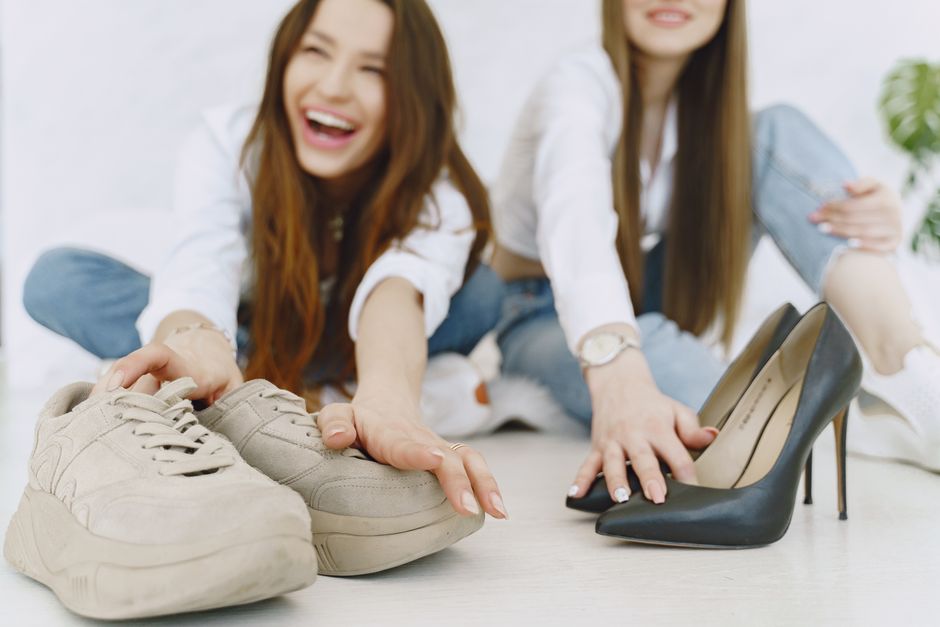
Leather shoes are where the dupe strategy collapses hardest. A secondhand pair of real Sam Edelman loafers at $45 will outlast three pairs of $40 faux-leather dupes and look better doing it. For footwear specifically, secondhand always beats dupe.
Specific Dupes With Proven Track Records
- Bottega Veneta Jodie bag: The Charles & Keith Braided Top Handle Bag ($89) uses the same woven construction and reads similarly in outfit photos without the $2,400 price tag.
- The Row Margaux bag: Polène’s Numéro Un ($285) uses genuine leather and similar architectural construction — a third of the original price, and the closest structural match available.
- Celine Triomphe sunglasses: Quay Maple frames ($65) hit the same flat acetate, thin-temple aesthetic with comparable UV protection ratings.
- Cartier Love bracelet: Gorjana’s screw-detail band or the Mejuri equivalent, both under $100, use gold-fill that holds color for 12–24 months with basic care.
- Toteme knitwear: Uniqlo Extra Fine Merino ($40–$60) competes directly on fabric quality. Toteme charges $290 for similar-gauge merino with a more specific colorway — that’s the only real difference.
Mistakes That Make Budget Pieces Read Cheap
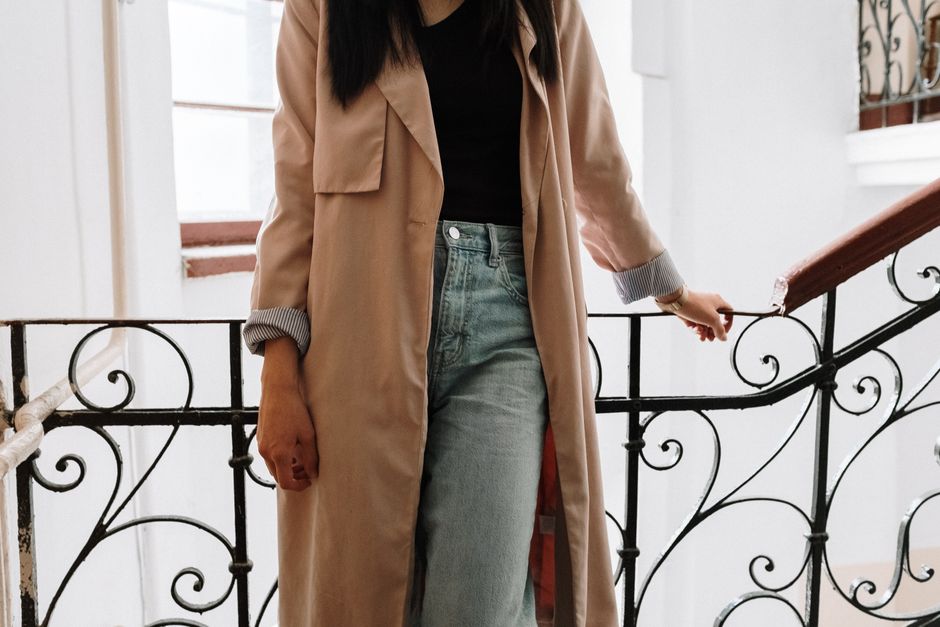
Buying the right dupe is half the work. What you do next determines whether it reads expensive or not.
- Skipping alterations. A $40 blazer that fits perfectly looks more expensive than a $200 blazer that doesn’t. Tailoring costs $20–$50 and delivers the highest return of any move in budget fashion.
- Stacking too many cheap textures at once. One budget piece per outfit, anchored by at least one quality item — shoes, a bag, or a single good knitwear piece. Every item being low-quality creates a cumulative visual effect that compounds.
- Trusting model photos over customer photos. Budget retailers photograph pieces on pinned, clipped samples. Customer review photos show how it actually fits on a real body.
- Washing incorrectly once. Cold water, mesh laundry bags, air drying — this extends piece life by 3–4 times. Most budget pieces that “fall apart fast” were machine-dried on high heat after the first wear.
- Buying cheap shoes to finish the look. A peeling toe cap or collapsing heel undermines every other considered choice in an outfit. This is the one category where the compromise shows immediately.
When to Stop Looking for a Dupe
Leather goods, quality denim, and tailored suiting don’t have good dupes. Construction complexity at those price points means visible failure within a season. For anything worn twice a week for multiple years, save and buy secondhand — the per-wear cost drops below any budget alternative, and the piece actually improves with wear. The dupe strategy is for trends you’re testing, or for visual statement pieces where appearance matters more than longevity.