
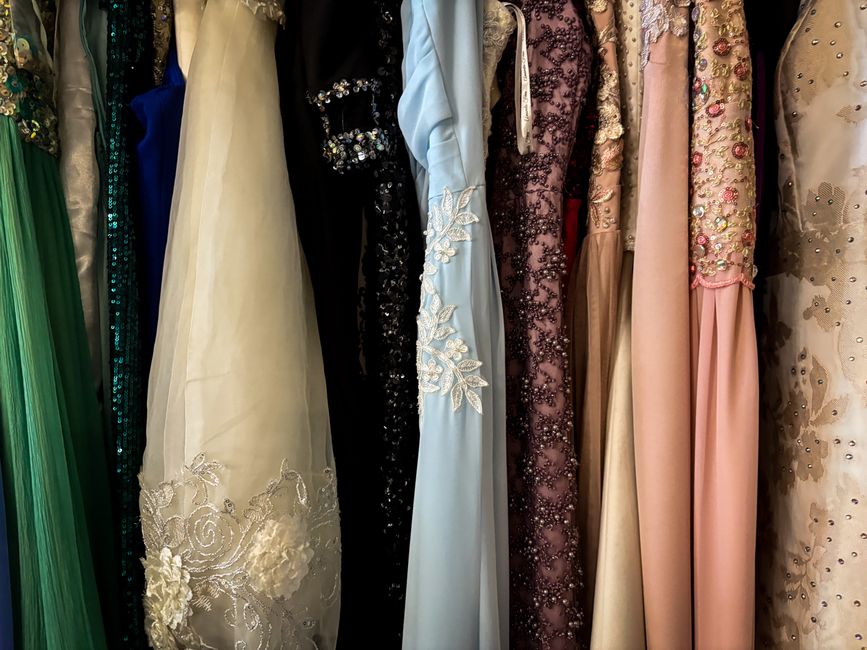
You walk into a second hand shop in Zadar, and the first thing you notice is the smell. Musty. A mix of old wood, detergent residue, and decades of someone else’s life. The racks are packed tight. Nothing is organized by size. You dig through a pile of polyester shirts from the 90s, and then your fingers hit something good. A heavy wool blazer. Italian label. 25 kuna. That’s about $3.50.
That moment — the find — is why people bother. Zadar has a solid second hand scene, but it’s not obvious to visitors. Most tourists stick to the Old Town and miss the shops where locals actually buy clothes. This guide covers seven shops I’ve visited personally. I’ve included prices, locations, and honest notes on what each place does well and where it falls short.
Why Second Hand Shopping in Zadar Works Better Than You Think
Croatia has a strong second hand culture. It’s not a trendy aesthetic choice here the way it is in Berlin or London. It’s practical. People have been buying used clothes for decades because it makes financial sense. That means the supply is consistent, and the prices stay low.
Zadar is a mid-sized city with a lot of tourist traffic, which creates a specific dynamic. Shops near the tourist areas charge higher prices and stock more “vintage” items curated for foreigners. Shops in residential neighborhoods sell everyday clothes at prices that would shock someone from the US or Western Europe.
Here’s what you can expect to pay:
| Item type | Typical price (kuna) | Typical price (USD) |
|---|---|---|
| T-shirt / basic top | 10–30 kn | $1.50–$4.50 |
| Sweater / hoodie | 20–50 kn | $3–$7.50 |
| Jeans / trousers | 30–60 kn | $4.50–$9 |
| Winter jacket / coat | 50–150 kn | $7.50–$22 |
| Dress | 20–80 kn | $3–$12 |
| Shoes | 30–100 kn | $4.50–$15 |
These are prices from shops in residential areas. Tourist-zone shops can run 2–3x higher. The tradeoff is curation — you’ll spend less time digging in a tourist shop, but you’ll pay for that convenience.
One thing to know: sizing here runs European. A Croatian size 38 is roughly a US size 6. Bring a measuring tape or know your EU sizes before you go. There are no return policies at these shops. What you buy is yours.
Ugly Cat — The Best Curation in the City
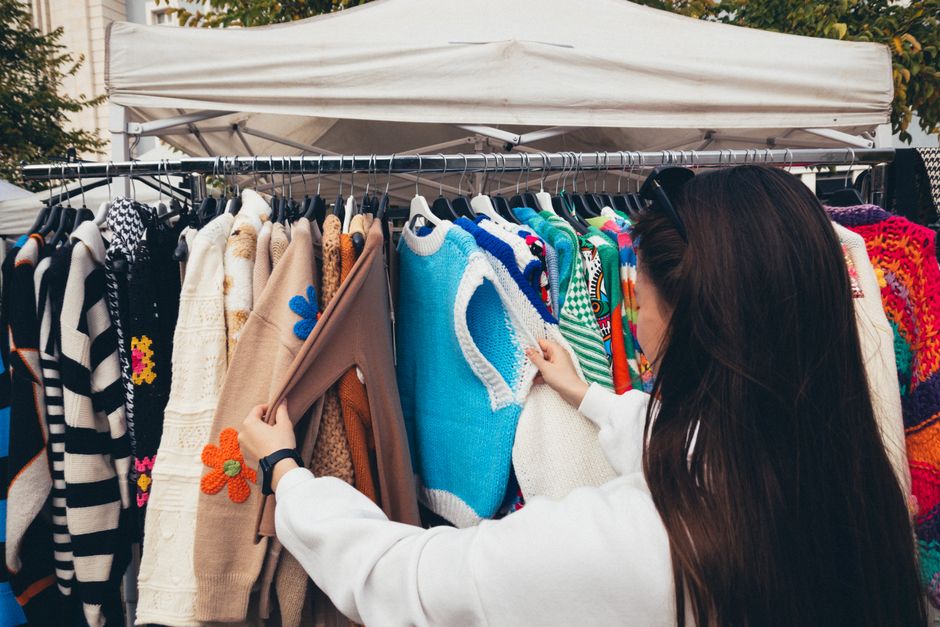
Ugly Cat sits on a quiet street just off the main pedestrian zone in the Old Town. It’s small. Maybe 30 square meters. But the owner picks every item by hand, and it shows. You won’t find stained shirts or stretched-out sweaters here. Everything is clean, pressed, and hung neatly by category.
The stock leans toward women’s clothing from the 70s, 80s, and 90s. I found a silk blouse from a French brand, a pair of Levi’s 501s from the 80s, and a leather belt that looked barely worn. Prices run 50–150 kn for most items. That’s higher than the residential shops, but the quality control justifies it.
Ugly Cat also carries accessories — scarves, bags, hats. The bag selection is surprisingly good. I saw a leather crossbody from an Italian maker for 120 kn ($17). Comparable new bags in Zadar tourist shops go for 400+ kn.
The downside? Limited men’s selection. Maybe 20% of the store. If you’re a man looking for second hand clothes in Zadar, you’ll find more options at the larger charity shops listed below.
Address: Ulica kralja Zvonimira 2. Open 10am–8pm, closed Sundays.
Best for: Women looking for curated vintage pieces without digging through bins. Bring cash — card payments work but the machine sometimes goes down.
Ruslica — The Biggest Selection, But You’ll Dig
Ruslica is a charity shop run by the Croatian Red Cross. It’s located in a former warehouse near the bus station. The space is massive — think two large rooms packed floor to ceiling with clothing, shoes, household items, and books.
This is not a curated experience. Clothes come in, get sorted roughly by type, and go straight onto the racks. You will find things that should have been thrown away. You will also find things that make the whole search worth it.
I spent two hours here on a Tuesday afternoon. I left with a wool-blend overcoat (60 kn), a cotton work shirt (15 kn), and a pair of almost-new leather ankle boots (40 kn). The boots alone would have cost 500+ kn new.
Ruslica gets new stock every weekday morning around 10am. The best time to visit is Wednesday or Thursday, after the weekend donations have been processed but before the regulars pick through everything. Avoid Monday mornings — that’s when the previous week’s leftovers are still on the floor.
Men’s section here is solid. Maybe 40% of the clothing is men’s, which is unusual for second hand shops. I saw decent winter jackets, denim jackets, and plenty of basic button-downs. Sizes run large — lots of XXL and XXXL from American donations.
Address: Ul. Ante Starčevića 1. Open Monday–Friday 8am–6pm, Saturday 8am–2pm. Closed Sunday.
Best for: Anyone willing to dig for bargains. Bring hand sanitizer and patience. This is where you find the 10 kuna ($1.50) gems if you’re willing to work for them.
Humana Nova — The Fair Trade Alternative
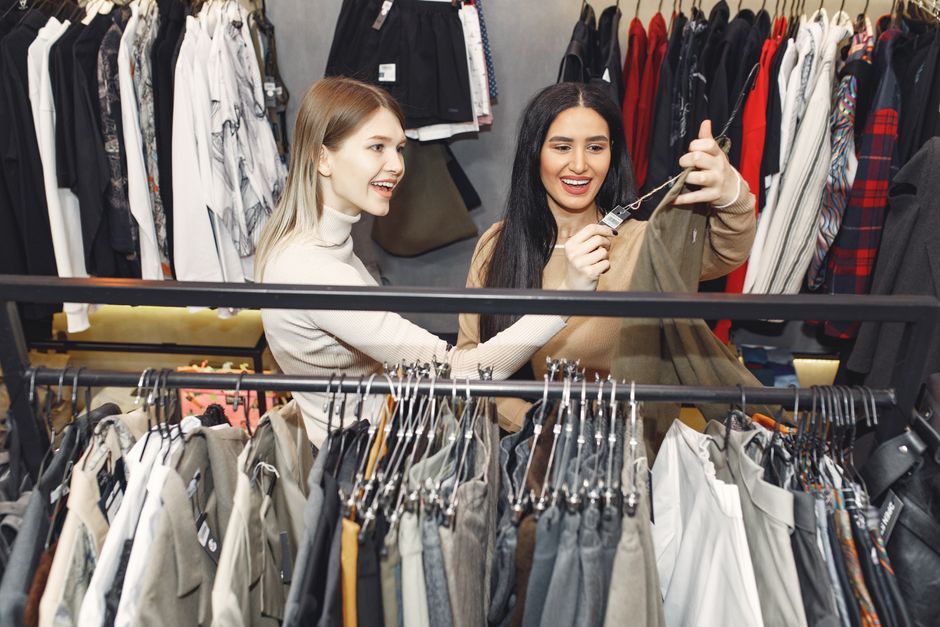
Humana Nova operates differently from the other shops on this list. It’s a social enterprise that employs people with disabilities. They collect donated clothes, repair and clean them, and sell them at affordable prices. The mission is genuine, and the quality reflects the extra step they put into processing items.
The shop is located in the Arbanasi neighborhood, about a 15-minute walk from the Old Town. It’s smaller than Ruslica but better organized. Clothes are sorted by size and type. Everything is priced individually with a tag — no guessing at the register.
Prices run 15–80 kn for most clothing. I bought a linen dress here for 45 kn ($6.50) that looked like it had been worn once. The stitching was intact, the color hadn’t faded, and the fabric still had structure. That kind of find is common at Humana Nova because they reject items that are too worn to sell.
The shop also carries home goods — towels, sheets, kitchen items. If you’re staying in Zadar long-term, this is worth a visit for household basics alone.
Address: Ul. Ivana Mažuranića 2. Open Monday–Friday 9am–5pm, Saturday 9am–1pm.
Best for: Quality basics at fair prices. The curation is better than Ruslica but the selection is smaller. Good option if you only have 30 minutes and want to find something wearable.
Textilna Industrija — The Hidden Warehouse
Textilna Industrija is not a second hand shop in the traditional sense. It’s a textile recycling center that sells surplus clothing by weight. You walk in, grab a plastic bag, fill it with whatever you want from the bins, and pay at the exit. The price is 15 kn per kilogram ($1 per pound).
This is the cheapest option in Zadar by a wide margin. A full bag of clothes costs around 60–80 kn. You get a mix of wearable items, damaged items, and things that should have gone straight to the shredder. The trick is to sort through the bins carefully and know what you’re looking for before you start.
I found a heavy wool sweater from a Norwegian brand, a pair of nearly-new cargo pants, and a cashmere-blend scarf in my last visit. Total cost: 55 kn ($8). The sweater alone would retail for 400+ kn new.
The catch: everything smells like the warehouse. You need to wash everything at least twice before wearing it. Some items have stains that won’t come out. Check every piece carefully in natural light before you commit.
Textilna Industrija is located in the industrial zone south of the city center. You’ll need a car or a taxi to get there — it’s a 20-minute walk from the nearest bus stop. Address: Ul. Franka Lisice 3. Open Monday–Friday 8am–3pm.
Best for: Bargain hunters who don’t mind industrial settings. Bring your own bag and wear clothes you don’t mind getting dusty.
What to Avoid — The Tourist Trap Vintage Shops
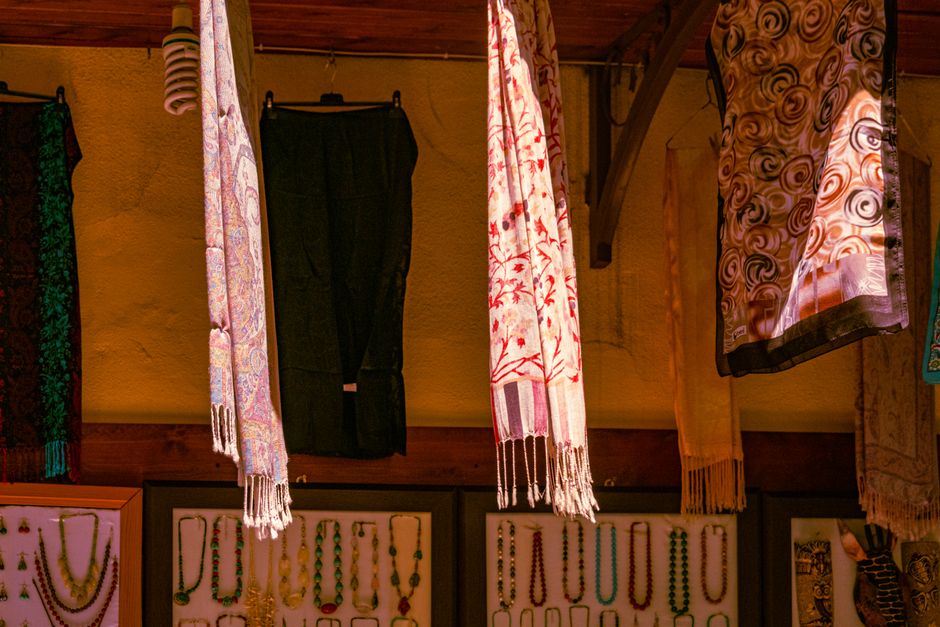
Zadar has a handful of shops in the Old Town that sell “vintage” clothing at prices that rival new fast fashion. These shops buy second hand clothes cheaply, mark them up 5–10x, and sell them to tourists who don’t know any better.
I visited one such shop near the Roman Forum. A plain cotton t-shirt with a faded print: 250 kn ($36). A used denim jacket with visible fraying at the cuffs: 450 kn ($65). These prices are not reasonable for second hand clothes in Zadar. You can buy new clothes of similar quality at H&M for less.
The warning signs are easy to spot:
- Clothes displayed on mannequins with styled lighting
- Prices listed in euros instead of kuna
- Staff who speak only English (not Croatian)
- “Vintage” tags on items from the 2000s
None of these things are inherently bad. But they signal a shop targeting tourists, not locals. If you want the real Zadar second hand experience, skip these places. The markup isn’t worth the convenience.
One exception: if you’re only in Zadar for a few hours and don’t have time to leave the Old Town, these shops are better than nothing. Just know you’re paying 3x what you would at the charity shops.
How to Make the Most of a Second Hand Trip in Zadar
Plan your route carefully. The seven shops listed here are spread across the city. You can’t walk between all of them in one afternoon. Here’s a realistic itinerary:
Option 1: Old Town focus (2–3 hours) — Start at Ugly Cat. Walk to Humana Nova (15 minutes). End at the charity shop near the bus station. This covers the curated, the fair trade, and the bargain bin in one loop.
Option 2: Deep dive (4–5 hours) — Hit Ruslica first thing in the morning. Walk to Textilna Industrija (30 minutes, or take a taxi for 30 kn). Finish at Humana Nova. This route requires more time but gives you access to the biggest selection and the lowest prices.
Bring cash. Many second hand shops in Zadar don’t accept cards, or their card machines are unreliable. Small bills (10s and 20s) are best. ATMs are plentiful in the Old Town but scarce in residential areas.
Wear clothes you can move in. You’ll be bending, reaching, and lifting heavy piles. Skip the white shirt. You will get dusty.
Check every item thoroughly. Look for stains in natural light. Check seams, zippers, and buttons. Smell the item — if it smells musty in the shop, it will smell musty at home. Some smells come out with washing. Some don’t.
The single most important thing to remember: the best second hand clothes in Zadar are not in the tourist zone. Walk 15 minutes away from the Old Town, and the prices drop by half.