It’s easy to think “a denim jacket is just a denim jacket.” Many people believe there’s one universal style, perhaps with minor variations in wash or distressing. That assumption couldn’t be further from the truth. While the core idea of a sturdy denim outer layer remains, the world of denim jackets is rich with distinct types, each with its own history, fit, and aesthetic. Understanding these differences is key to choosing a jacket that genuinely suits your personal style and needs, moving beyond just “blue jean jacket” to something tailored and intentional.
From workwear origins to high fashion statements, denim jackets have evolved significantly. The cuts, stitching details, pocket configurations, and overall silhouettes tell a story of changing utility and style. Ignoring these nuances means missing out on the full potential of this versatile wardrobe staple. A well-chosen denim jacket can elevate an outfit, provide practical warmth, or project a specific vibe, but only if you know which type to pick.
The Myth of the “One-Size-Fits-All” Denim Jacket
The biggest misconception floating around is that all denim jackets share a common, interchangeable design. This idea suggests that once you’ve seen one, you’ve seen them all. People often grab the first denim jacket they see, assuming its “classic” appeal means it will work for them. This overlooks a detailed history of design innovations and cultural shifts that have shaped different jacket types. Each type carries specific design cues, often tied to its original purpose or era.
For instance, early denim jackets were strictly utilitarian, built for durability and function for manual laborers. Their design reflected a need for robust construction and freedom of movement. As fashion evolved, so did the jacket. Designers began to experiment with fit, length, and embellishments, transforming a work garment into a style icon. To lump all these varied designs together as one “denim jacket” category simply doesn’t do justice to their distinct identities.
The “Original” Myth
When someone says “original denim jacket,” they’re usually thinking of the Levi’s Type III, also known as the “Trucker” jacket. This style, with its pointed chest pockets and V-shaped front seams, became incredibly popular and is widely replicated. However, it wasn’t the first. Earlier models, the Type I and Type II, predate the Trucker and boast entirely different features. The Type I, for example, featured a single chest pocket and a cinch-back for adjustment, a clear indicator of its workwear roots. Understanding this lineage helps clarify why jackets that look superficially similar can feel so different in wear and style.
Beyond the Basic Blue
Beyond the cut and historical type, variables like fabric weight, stretch content, and wash also dramatically alter a denim jacket’s character. A heavy, raw denim jacket feels rigid and takes time to break in, developing unique fades over years of wear. A light-wash, stretchy denim jacket, on the other hand, offers immediate comfort and a more relaxed, often vintage-inspired aesthetic. These aren’t just minor details; they fundamentally change how the jacket looks, feels, and performs. Ignoring these elements means missing out on finding a jacket that truly aligns with your comfort preferences and desired look.
Classic Fits: Trucker, Type I, II, and III Decoded

The most iconic denim jacket styles trace their origins back to early 20th-century workwear. Understanding these “Type” distinctions, largely pioneered by brands like Levi’s, is fundamental to appreciating denim jacket diversity. Each type represents an evolution in design, responding to changing industrial needs and emerging fashion sensibilities.
Type I: The Workwear Origin
The earliest form, often called the “Blouse” or Type I jacket, appeared in the late 1800s. It was designed purely for utility. Key features included a single, often oversized, patch pocket on the left chest, exposed rivets for durability, and a cinch-back buckle at the waist for adjusting the fit. This was a boxy, shorter jacket, meant for layering over work clothes. Its raw, unrefined aesthetic makes it a favorite for vintage enthusiasts today. It embodies rugged Americana.
Type II: The Evolution
Introduced in the 1950s, the Type II jacket refined the original design. It retained a boxier fit but added a second chest pocket, usually mirrored on the right side. The cinch-back was replaced by side adjusters, and the pleated front, common in Type I, became more pronounced, often running down to the waist. This jacket began to bridge the gap between pure workwear and casual fashion, gaining popularity beyond the factory floor. It offers a slightly more “finished” look than the Type I, while still maintaining a robust, utilitarian feel.
Type III: The Iconic Standard (The Trucker)
The Type III, launched in 1962, is the jacket most people recognize as the “denim jacket” or “Trucker jacket.” It drastically changed the silhouette. The most defining features are the pointed chest pockets, V-shaped seams running from the pockets down to the hem, and buttoned cuffs. The fit became slimmer and more tailored, making it highly versatile for everyday wear. This design proved so successful that it influenced nearly every denim jacket that followed and remains the benchmark for modern denim jackets. Brands like Wrangler and Lee also developed their own distinct, yet similarly influential, trucker styles.
Here’s a quick comparison of these foundational types:
| Feature | Type I (Late 1800s-1950s) | Type II (1950s) | Type III (1962-Present) |
|---|---|---|---|
| Chest Pockets | Single, left chest | Two, symmetrical | Two, pointed flaps |
| Front Detail | Pleated front, often runs full length | Pleated front, more pronounced | V-shaped seams, no pleats |
| Waist Adjustment | Cinch-back buckle | Side adjusters | Side adjusters |
| Fit | Boxy, shorter | Boxy, slightly longer | Slimmer, more tailored |
| Key Aesthetic | Rugged workwear, raw | Transitional workwear, refined | Iconic “Trucker”, versatile |
Modern Interpretations and Fashion-Forward Styles
While the classic Type III remains a cornerstone, contemporary fashion has stretched the denim jacket’s boundaries, introducing numerous variations that cater to diverse tastes. These modern styles often play with silhouette, texture, and embellishment, moving beyond strict utilitarianism into pure fashion expression. They allow for greater personalization and can dramatically alter the feel of an outfit. Choosing one of these styles is about embracing current trends or finding a unique twist on a timeless piece.
The Oversized Trend
The oversized denim jacket has seen a massive resurgence, reflecting a broader trend towards relaxed and comfortable silhouettes. This style typically features dropped shoulders, a wider body, and sometimes an extended length. It’s about creating a loose, slouchy look rather than a fitted one. This cut is perfect for layering — think chunky sweaters or hoodies underneath. An oversized jacket provides an effortlessly cool, laid-back vibe and offers great freedom of movement. It moves away from the structured feel of a traditional trucker, making it a statement piece in itself.
Cropped and Contemporary
At the other end of the spectrum is the cropped denim jacket. This style typically ends above the hip, often at the waist or even higher. It’s designed to highlight the waistline and can create an illusion of longer legs. Cropped jackets pair exceptionally well with high-waisted bottoms — jeans, skirts, or trousers — balancing proportions effectively. They offer a more fashion-forward, often feminine, take on the classic denim jacket, adding a touch of modern flair without sacrificing the material’s inherent appeal. Some versions incorporate unique detailing like frayed hems or deconstructed elements.
Sherpa and Beyond
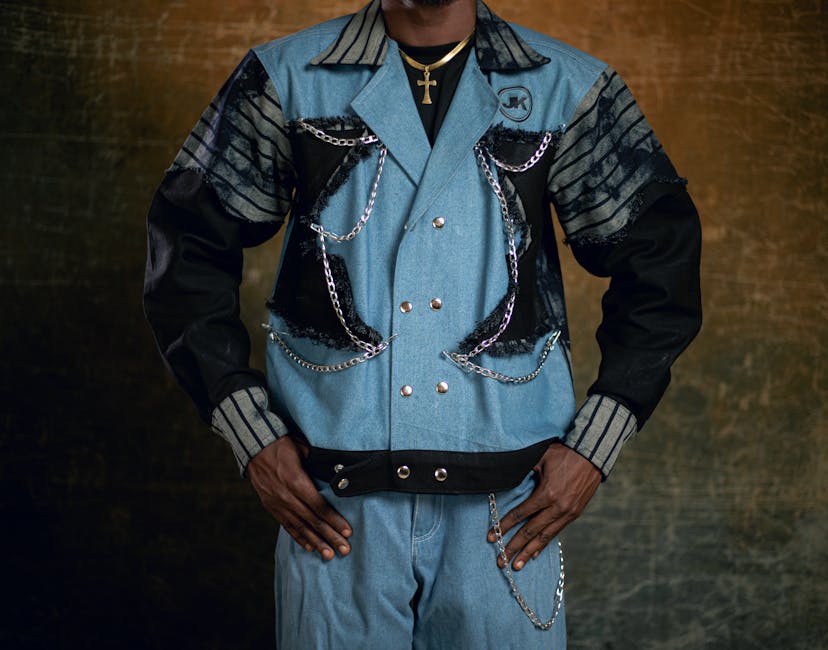
Beyond cut, textural variations also create entirely new jacket types. The sherpa-lined denim jacket is a prime example. This style integrates a soft, wool-like sherpa fleece on the collar and often throughout the body lining, turning a light outer layer into a genuinely warm winter jacket. It’s a functional adaptation that doesn’t compromise on style, offering a cozy aesthetic. Other modern iterations include distressed jackets with rips and tears for a worn-in look, embroidered jackets for personalized flair, or even patchwork denim jackets that combine different denim washes and textures. These variations demonstrate denim’s adaptability, proving it can be both a rugged staple and a canvas for artistic expression.
Fabric Weights and Washes: More Than Just Blue

The type of denim fabric itself, along with its treatment, plays a crucial role in a jacket’s appearance, feel, and longevity. It’s not just about the color; it’s about the weave, the thickness, and how the fabric has been processed. These factors influence everything from how the jacket drapes to how it ages over time. Understanding denim weights and washes allows for a more informed choice, ensuring the jacket meets both aesthetic preferences and practical expectations.
Understanding Denim Weight
Denim weight is measured in ounces per square yard (oz/yd²). This measurement directly indicates the fabric’s thickness and density. Lighter denim, typically under 12 oz, feels softer and more pliable from the start. Jackets made from lighter denim are comfortable for warmer weather and offer a more relaxed drape. They break in quickly but may not be as durable for intense wear.
Mid-weight denim, ranging from 12 oz to 16 oz, is the most common for jackets. It strikes a balance between comfort, durability, and a classic denim feel. This weight offers good structure and develops character nicely over time. Heavyweight denim, 16 oz and above, is very rigid initially and requires significant wear to break in. It’s exceptionally durable and known for developing high-contrast fades and unique creases — often referred to as “patina.” Heavyweight denim jackets are a commitment but offer unparalleled ruggedness and a distinct aesthetic.
The Impact of Wash
The “wash” refers to the process denim undergoes after weaving and construction to achieve a specific color and texture. Raw denim, or “dry denim,” has not been washed or treated after dyeing. It’s stiff, uniformly dark, and will fade naturally with wear, creating a highly personalized look. This is the choice for purists who appreciate the journey of denim.
Other common washes include “dark wash,” which is a deep indigo that has been lightly rinsed to remove excess dye without significant fading. “Medium wash” and “light wash” refer to denim that has been stone-washed, acid-washed, or bleached to achieve lighter shades and a softer feel. Acid wash creates a marbled, high-contrast effect, while stone wash provides a more uniform, naturally faded appearance. Each wash dictates the jacket’s immediate character — from the crisp formality of raw denim to the casual, lived-in feel of a light wash.
Stretch vs. Rigid
Traditional denim is 100% cotton, resulting in a rigid fabric. This rigidity is characteristic of classic denim jackets, contributing to their structured silhouette and requiring time to mold to the wearer’s body. Many modern denim jackets, however, incorporate a small percentage of elastane (spandex) into the cotton blend, typically 1-3%. This “stretch denim” offers enhanced comfort and flexibility, making the jacket easier to move in and less restrictive. While purists often prefer 100% cotton for its authentic feel and fading potential, stretch denim is a practical choice for those prioritizing immediate comfort and ease of wear without sacrificing the denim look.
Choosing Your Ideal Denim Jacket: A Summary
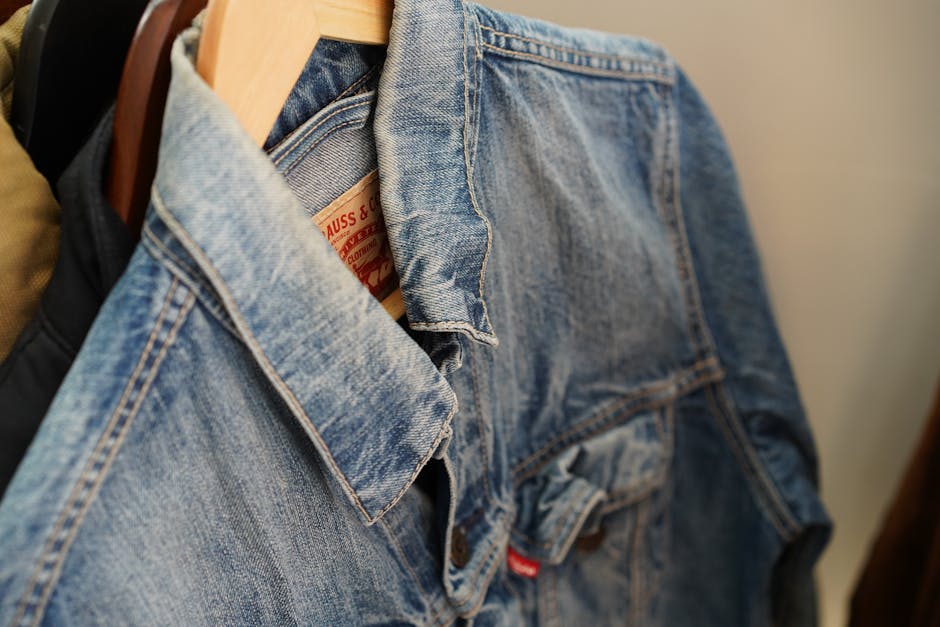
With so many types, the “best” denim jacket isn’t a single answer; it’s about matching a jacket’s characteristics to your personal needs and aesthetic. Think about where and when you’ll wear it, what you’ll pair it with, and the statement you want to make.
For someone seeking a truly authentic, timeless piece with historical roots, a Type I or Type II replica is an unmatched choice. These jackets offer a distinct, boxy silhouette and tell a story of early 20th-century workwear. They pair best with other heritage-inspired items and gain character beautifully with age. If durability and a unique fading journey are your priority, opt for a heavyweight raw denim version.
If versatility and a classic, universally appealing look are what you’re after, the Type III Trucker jacket remains the undisputed champion. Its tailored fit makes it suitable for almost any casual outfit, from T-shirts and jeans to dresses and chinos. This style is available in countless washes and fabric compositions, making it easy to find one that fits your comfort and style preferences. A mid-weight, dark wash Type III is arguably the most adaptable option for daily wear.
For those leaning into current fashion trends, an oversized or cropped denim jacket offers a modern edge. An oversized jacket provides a relaxed, statement-making silhouette, ideal for layering and achieving a streetwear-inspired look. A cropped jacket, on the other hand, is perfect for balancing high-waisted garments and adding a contemporary, often more feminine, touch. These styles prioritize silhouette over strict historical accuracy.
Finally, consider the practical aspects. If you need warmth, a sherpa-lined denim jacket is the obvious choice, transforming a seasonal item into a cold-weather staple. If immediate comfort and ease of movement are , opt for a jacket made with stretch denim. The choice between rigid and stretch denim profoundly impacts the initial wearing experience.
Ultimately, the perfect denim jacket combines thoughtful design with your lifestyle. There’s a denim jacket out there for every preference and purpose.