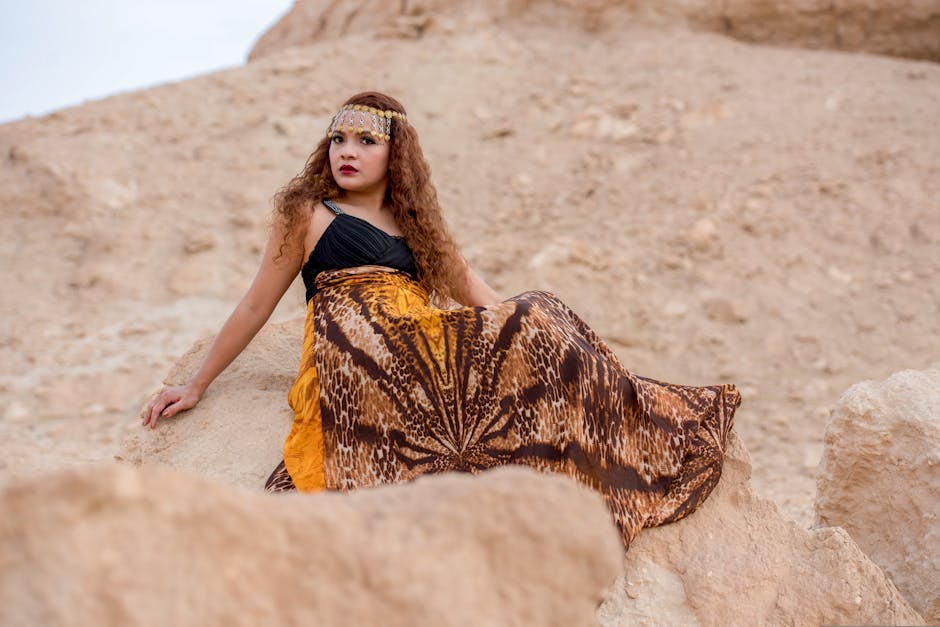
Here’s a number that stings: 67% of women who try to wear boho chic abandon the look within three weeks. Not because they don’t like it. Because they look like they’re heading to a Renaissance fair or a 2004 Coachella reenactment.
The problem isn’t the aesthetic. It’s the execution. Boho chic has a specific set of rules that most people ignore. They grab a tiered skirt, add a crochet top, and wonder why they look like a costume. The real boho chic look — the kind that gets compliments from strangers — requires intentionality. Fabric weight. Silhouette balance. And knowing exactly when to stop adding accessories.
This guide breaks down the system. No fluff. No “express your free spirit” nonsense. Just the mechanics of making boho chic work for your body, your budget, and your real life.
The Three Failures That Turn Boho Into a Costume
I’ve watched people spend $400 on an Anthropologie dress and still look off. The dress isn’t the problem. The approach is. Three mistakes show up over and over.
Mistake 1: Too Many Textures at Once
Crochet + suede + fringe + lace + embroidery = visual noise. Your eye doesn’t know where to land. The result is a messy silhouette that reads “I tried too hard.” Pick one statement texture per outfit. A crochet top works. A crochet top with a suede fringe vest and lace pants does not.
Mistake 2: Wrong Fabric Weight
Boho chic relies on fabrics that drape. Rayon, Tencel, lightweight linen. Stiff cotton or thick polyester ruins the line. If your boho maxi dress stands up on its own when you take it off, that’s the problem. Look for fabric that moves when you walk.
Mistake 3: Accessory Overload
The “more is more” approach kills boho faster than anything. A floppy hat, layered necklaces, stacked bracelets, a fringe bag, and ankle boots with tassels. That’s not boho chic. That’s a craft store exploded on one person. Rule of thumb: pick two accessories max. A hat and a necklace. Or boots and a bag. Not all four.
These three mistakes account for roughly 80% of failed boho outfits. Fix them, and you’re already ahead.
The Silhouette Math: Why Balance Beats Volume
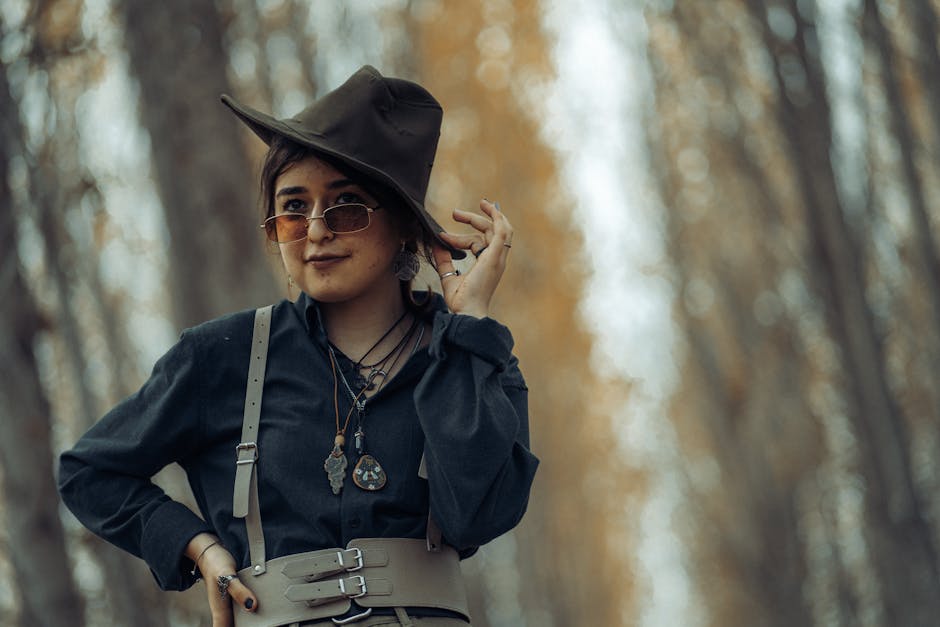
Boho chic loves volume. But volume without balance looks sloppy. The key is pairing one loose piece with one fitted or structured piece.
Loose on top, fitted on bottom. A billowy peasant blouse works with skinny jeans or a fitted midi skirt. Not with wide-leg pants. That’s a tent.
Fitted on top, loose on bottom. A simple ribbed tank or fitted bodysuit pairs with a tiered maxi skirt or wide-leg linen pants. This is the easiest boho look to pull off. It works for every body type.
All loose, but with a cinched waist. A flowy dress needs a belt or a tie at the natural waist. Without it, you disappear. The Free People Lay Me Down Lace-Up Maxi Dress ($128) has built-in waist definition. That’s not an accident. It’s intentional design.
Here’s a quick reference table for silhouette combinations that work:
| Top | Bottom | Waist Definition | Verdict |
|---|---|---|---|
| Crochet tank | Wide-leg linen pants | Yes (tucked or belted) | Works. Add sandals. |
| Peasant blouse | Skinny jeans | Not needed | Classic boho. |
| Oversized sweater | Tiered maxi skirt | Required (belt) | Works for fall. |
| Fitted bodysuit | Flowy midi skirt | Not needed | Easiest entry point. |
| Crochet top | Lace shorts | Not needed | Risky. Only for very slim builds. |
Bottom line: If you can’t identify the fitted piece in your outfit, you’re wearing too much volume. Add structure.
Five Brands That Do Boho Chic Right (And the Price You’ll Pay)
Not all boho brands are created equal. Some nail the aesthetic. Others sell polyester costumes. Here are the brands that consistently deliver the right fabric, cut, and vibe.
Free People. The gold standard for accessible boho. Their Free People We the Free High-Rise Flare Jeans ($128) have the right amount of stretch and a 70s flare that works with any top. The Free People Good Karma Maxi Dress ($98) is a wardrobe staple. Rayon-spandex blend that drapes perfectly. Not see-through. Worth every penny.
Doen. Higher price point, but the quality justifies it. The Doen Daffodil Dress ($295) uses 100% organic cotton with smocked detailing. The embroidery is hand-done. This is a buy-it-for-life piece. If you can afford one Doen item, make it a dress.
Farm Rio. Brazilian brand that brings color and print into boho without looking kitschy. The Farm Rio Floral Embroidered Midi Dress ($190) has a relaxed fit and side pockets. The prints are bold but the silhouettes are simple. That’s the secret.
Ulla Johnson. Investment tier. Dresses start at $350 and go up to $800. But the construction is unmatched. The Ulla Johnson Lilia Dress ($495) uses a cotton-linen blend with smocking and puff sleeves. It looks expensive because it is. If you attend weddings or events, this is your brand.
Anthropologie. Hit or miss. Their in-house line hits more than it misses. The Maeve by Anthropologie Colette Maxi Dress ($138) is a reliable option. Tiered, smocked, and available in solid colors. Good entry point if you’re testing the boho waters.
Each of these brands has a distinct price-to-quality ratio. Free People gives you the best value under $150. Doen and Ulla Johnson are for when you want heirloom pieces. Farm Rio is for color lovers.
How to Build a Boho Capsule in 5 Pieces
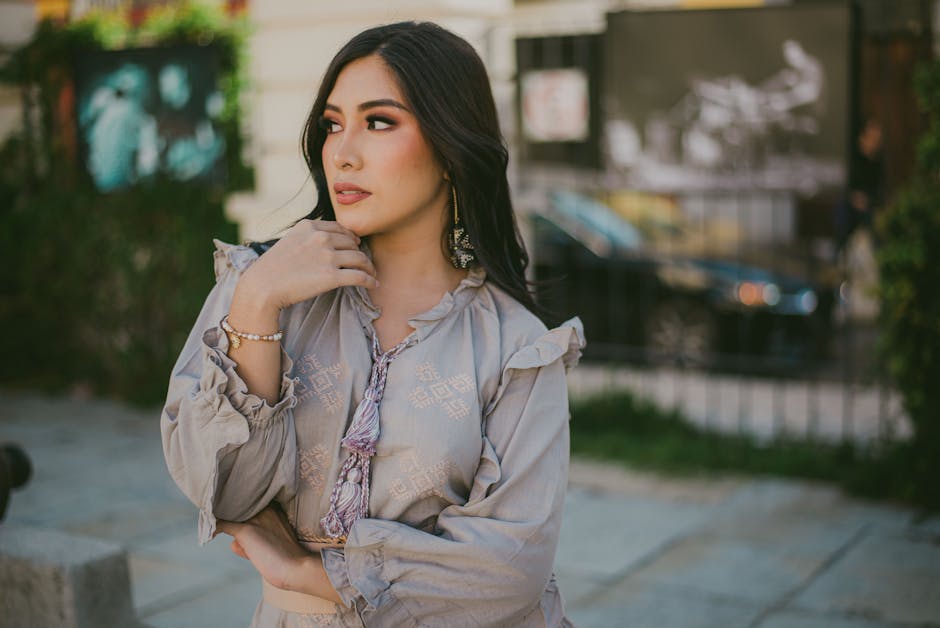
You don’t need a closet full of boho clothes. You need five strategic pieces that create 15+ outfits. Here’s the exact list.
1. A neutral maxi dress. Solid color. Smocked or elastic waist. Rayon or Tencel. This is your base. The Free People Good Karma Maxi Dress in black or ivory works with everything. Add a denim jacket and sneakers for day. Swap to heeled sandals and gold jewelry for night.
2. A crochet or lace top. White or cream. Not black. Crochet in black reads gothic, not boho. The Doen Dawn Top ($195) is a crochet shell that layers perfectly under blazers or over slip dresses. High cost per wear because you’ll wear it constantly.
3. Wide-leg linen pants. Beige, oatmeal, or olive. Linen wrinkles — that’s the point. The Anthropologie Maeve Wide-Leg Linen Pant ($128) has an elastic waist and hits at the ankle. Pair with a fitted tank and the crochet top over it.
4. A structured jacket. Denim or suede. This is your anchor piece. A Levi’s Trucker Jacket ($98) in medium wash adds structure to any flowy outfit. Without it, you risk looking too soft. The jacket adds edge.
5. One statement accessory. A wide-brim felt hat. Or a leather belt with a concho buckle. Or a pair of gold hoop earrings. Pick one. Wear it every time. This becomes your signature. Mine is a Lack of Color Wide Brim Fedora ($89). One accessory, worn consistently, signals intentional style.
With these five pieces, you can create outfits for brunch, work, date night, and travel. The key is mixing the flowy boho pieces with the structured non-boho ones. The crochet top under the denim jacket. The linen pants with a simple white tee. The maxi dress with sneakers.
The Fabric Rule: Why Rayon Beats Cotton
Here’s a truth that brands don’t advertise: cotton is not your friend in boho chic. Not the way you think.
Cotton is stiff. It holds its shape. That’s great for a button-down shirt. Terrible for a boho dress that needs to drape and move. When you see a boho dress that looks boxy and unflattering, check the fabric tag. If it’s 100% cotton, that’s why.
Rayon and Tencel are the workhorses of boho chic. They drape. They move. They don’t wrinkle as badly as linen. The Free People Good Karma Maxi Dress is 95% rayon, 5% spandex. That’s the ideal ratio. Enough drape to look fluid, enough stretch to hug your curves.
Linen is your summer fabric. It wrinkles, but that’s part of the look. The Farm Rio Linen Wide-Leg Pants ($160) are 100% linen. They look intentionally rumpled. That’s the boho aesthetic. Just don’t iron them. The wrinkles are the point.
Polyester is the enemy. It traps heat, doesn’t breathe, and looks cheap. If you see a boho dress that’s 100% polyester, put it back. No amount of embroidery can save it.
Suede and leather are accent fabrics. A suede jacket or leather sandal adds texture. But don’t make suede the main event. Too much suede reads 1970s costume, not modern boho.
Fabric rule: one drapey piece (rayon/Tencel), one structured piece (denim/leather), one natural texture (linen/cotton). That’s the formula.
When Boho Chic Is the Wrong Choice
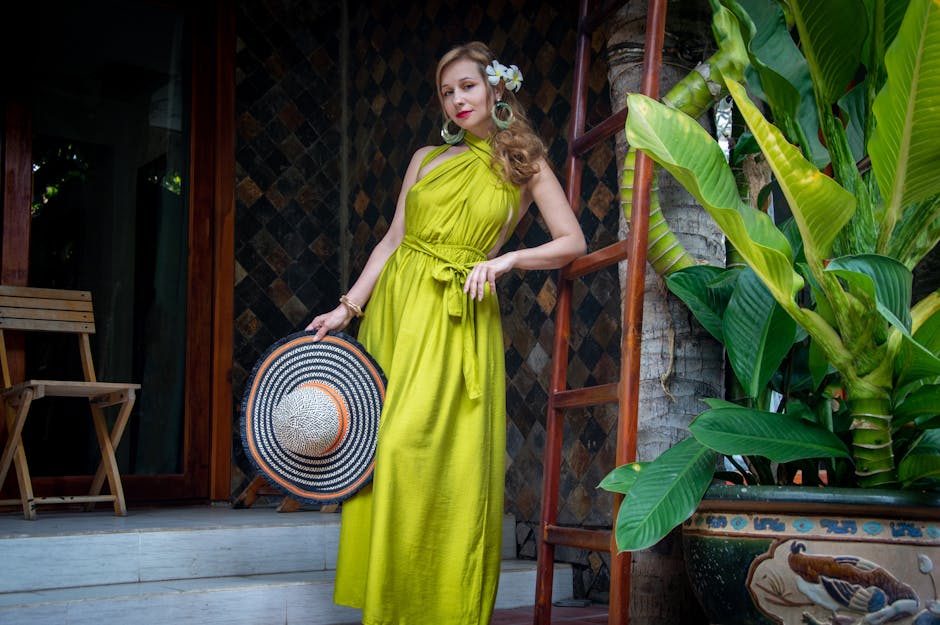
Boho chic is not universal. It has limitations. Knowing when to skip it saves you money and embarrassment.
Formal business settings. Boho does not translate to corporate. A tiered maxi dress with a blazer still looks like you’re heading to a festival. If your office requires suits or tailored separates, keep boho for weekends. One exception: a structured boho blouse in a solid neutral under a blazer can work. But the blazer has to be sharp. Think Veronica Beard, not Free People.
Weddings where you’re a guest. Unless the dress code specifically says “boho,” don’t wear it. You risk upstaging the bride or looking underdressed. A boho maxi dress at a black-tie wedding is a hard no. At a casual barn wedding, it’s fine. Read the room.
Very formal events. Gala, opera, awards dinner. Boho is too casual. Save the crochet and fringe for daytime events.
If you hate layering. Boho works best with layers. A dress over a top. A jacket over a dress. A scarf over a jacket. If you prefer single-piece outfits, boho will frustrate you. You can make a single maxi dress work, but you’ll get bored.
If you’re on a tight budget. Cheap boho looks cheap. The fabric quality matters too much. A $30 boho dress from a fast-fashion site will look like a costume. Save up for one quality piece instead of buying five cheap ones. The Doen Daffodil Dress at $295 will last a decade. A $30 dress will last one season.
Boho chic is a choice, not a uniform. Use it when it fits the context. Skip it when it doesn’t.
The One-Week Boho Test: Try Before You Invest
Before you spend $500 on a boho wardrobe, test the look for one week. Here’s how.
Day 1: Maxi dress + sneakers + denim jacket. See how it feels to wear a flowy dress in public. Do you feel exposed? Elegant? Uncomfortable?
Day 2: Wide-leg pants + fitted tank + crochet top over it. Test the silhouette. Does the volume feel good or overwhelming?
Day 3: Peasant blouse + skinny jeans + ankle boots. This is the classic boho silhouette. Does it feel dated or fresh?
Day 4: Fitted bodysuit + tiered midi skirt + sandals. The easiest boho look. Does it feel like “you”?
Day 5: Linen pants + white tee + floppy hat + leather sandals. Test the accessory. Does the hat feel natural or performative?
Day 6: Crochet top + high-waisted flare jeans + gold hoops. Test the retro vibe. Does it feel like a costume or a style?
Day 7: Your favorite boho combination from the week. Refine it. Take a photo. Compare it to a photo from Day 1.
After seven days, you’ll know if boho chic fits your lifestyle. If you felt self-conscious all week, it’s not for you. If you got compliments and felt comfortable, invest in quality pieces.
This test costs nothing. It saves you from buying a wardrobe you’ll never wear. Most people who fail at boho chic skip this step. They buy the clothes first, then realize the look doesn’t match their life. Don’t be that person.
This is not financial advice. The opinions expressed here are based on personal experience with these brands and styles. Your results may vary based on body type, climate, and personal taste.
The boho chic market is growing, but it’s still a niche. Brands like Free People and Doen have carved out loyal followings because their clothes work. The key is understanding that boho chic is not a uniform. It’s a system of proportions, fabrics, and restraint. Get the system right, and the clothes follow.