The assumption most people bring to Kami is one of two things: either it’s a knockoff brand riding on borrowed minimalist aesthetics, or it’s an undiscovered gem being quietly kept from wider audiences by bag communities online. Neither take holds up. After spending real time with their bags and running direct comparisons against the competition at the same price points, Kami turns out to be something more useful to understand: a competent but bounded option in a specific bracket, with a clear ceiling and a clear floor.
Here’s what that actually means for your buying decision.
Where Kami Positions Itself and What That Market Actually Looks Like
Kami operates in the $150–$450 structured minimalist handbag segment. This is arguably the most contested price bracket in women’s accessories over the past several years, and understanding the competition is the only way to evaluate whether Kami is worth picking. You’re looking at the same customer being pursued by Polene from Paris ($300–$550), Strathberry from Edinburgh ($350–$650), Manu Atelier from Istanbul ($250–$700), and the A.P.C. bag line ($200–$500). Every single one of these brands makes the same essential promise: construction and design that approaches luxury quality without the four-figure price tag.
Kami’s design language lands clearly in the structural minimalist camp. Clean lines. No visible exterior branding. Hardware that integrates into the silhouette rather than competing for attention. If you’ve been comparing Wandler bags or seriously considering the Celine Trio Mini ($650) but can’t justify what Celine charges, Kami’s totes will feel immediately recognizable in their design thinking. The influence is legible and clearly intentional.
The competitive context matters because it frames what you’re trading when you pick Kami over a more established brand at the same price. A $300 bag from a brand with five years of documented consumer reviews and a $300 bag from a brand with limited long-term documentation are not the same purchase. That gap becomes more relevant the closer you get to the top of Kami’s range.
Materials: What the Price Actually Gets You
At this price point, most brands use pebbled grain or smooth grain leather rather than full-grain. Kami is no different. Pebbled grain is a practical choice — it handles daily scratches better than smooth leather, ages more gracefully without dedicated care, and is forgiving in ways that full-grain leather isn’t at this price. Interior lining is fabric rather than suede or leather, which is standard below $400 and not a red flag worth worrying about.
What matters more than the grain type is the leather’s density and response. Good pebbled leather at this price has weight to it and springs back when you press it. Thin corrected-grain leather — essentially texture and dye applied over split leather — has a slightly hollow, plasticky feel under pressure. On Kami’s structured totes, the leather passes this test reasonably well. On the clutches, it doesn’t, and that matters for how you should allocate your budget within their range.
Who Kami Is Built For
The core use case is someone who wants a bag that reads polished in professional environments, holds up through daily urban use, and carries no visible branding. Office commutes. Business travel. Situations where the goal is looking considered without advertising a price point. That’s a real customer need, and Kami addresses it reliably.
What Kami is not: an investment piece. There is essentially no secondary market for the brand. If your budget includes thinking about resale value in two or three years — a reasonable thing to consider at the $350+ price point — Polene and Strathberry are better positioned. Their brand recognition has built enough of a following that used pieces move. Kami is buy-and-use, not buy-and-hold.
The Price Ceiling Problem
Above $300, Kami’s pricing reaches the edge of what an emerging brand with limited public documentation can credibly justify. You’re paying partly for construction and partly for the brand’s minimalist positioning — and that positioning doesn’t yet carry the third-party validation that Polene or Strathberry have accumulated over years of real consumer use. At $310, Polene’s Numéro Un Mini has five years of honest ownership reports that Kami simply doesn’t have yet. That documented history is real value, not just brand prestige.
Kami’s Four Bag Formats, Ranked by How Much I’d Actually Recommend Them

The catalog organizes into four formats. Here is my direct assessment of each, based on construction quality, practical function, and value relative to what else exists at the same price:
- Structured totes: The strongest part of the lineup, and not a close competition. Top-handle construction maintains shape throughout a full workday. The interiors are organized more thoughtfully than most competitors in this range — structured base, dedicated zip pocket, open compartments that don’t require excavation to access. If you carry a 13-inch laptop and need the bag to read as intentional rather than just functional, this is the buy from Kami’s entire catalog.
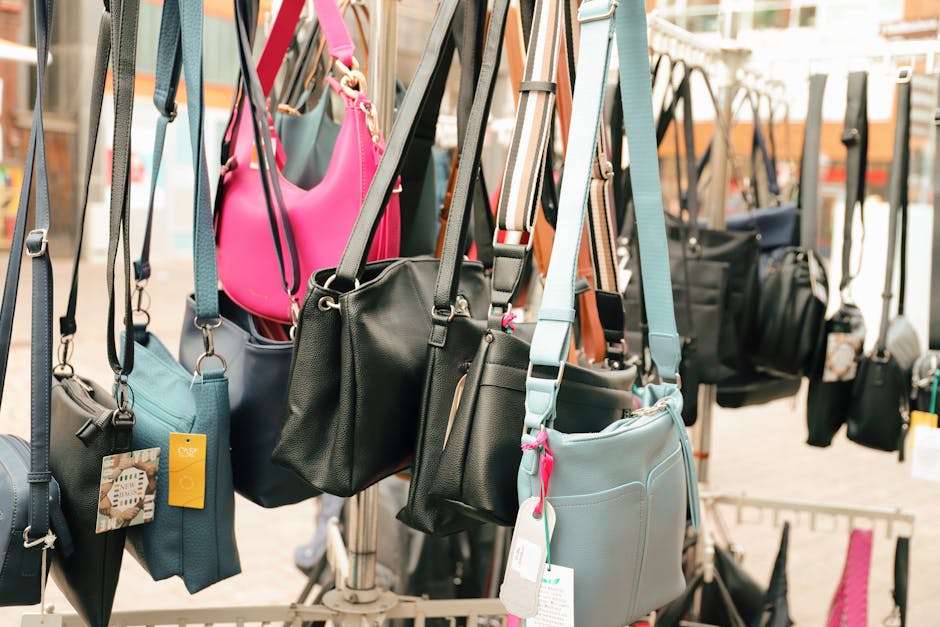
- Crossbody bags: Solid for daily errands and lighter travel use. One consistent caveat worth flagging: strap length on several models tops out lower than expected. If you are taller than 5’8″ and want the bag to sit at hip level rather than waist level, verify the maximum strap extension measurement before ordering. This is not a Kami-specific problem — A.P.C. and Manu Atelier have the same issue on various models — but it is the thing that drives the most returns.
- Mini bags: Buy with caution, and only for the right reasons. The mini bag format peaked roughly 2026–2026 and is now softening. Kami’s minis are reasonably constructed for the price, but practical capacity is limited: a phone, a card case, and one other item. Worth buying only if you already carry a separate tote for overflow and genuinely prefer going light. Not worth buying because the trend is still technically present.
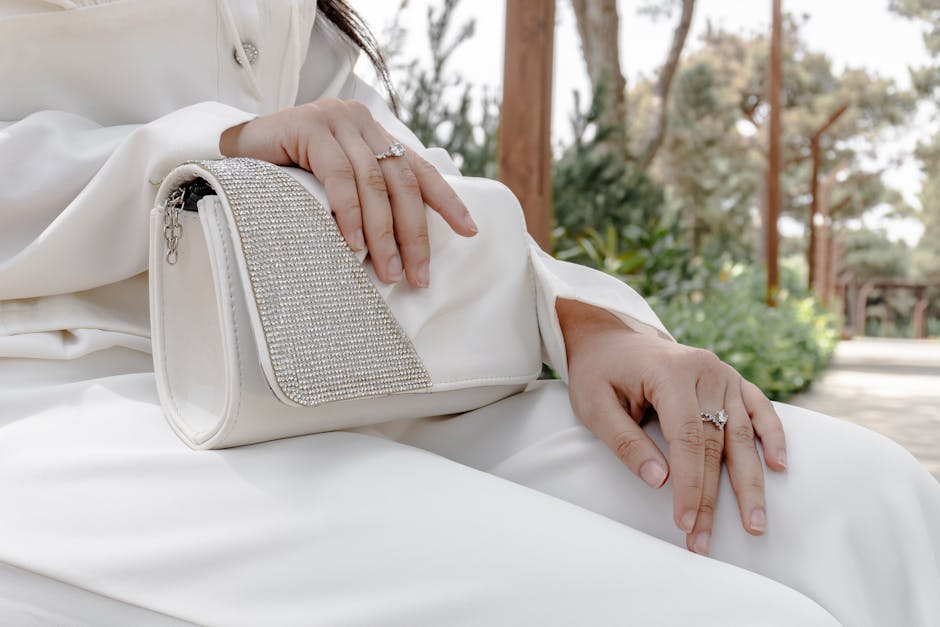
- Clutches: Skip. At $150–$200, Clare V. ($195–$275) offers better construction across the board — more secure closures, more substantial leather, cleaner stitching at the seams. The clutch format is where Kami’s quality compromises are most visible, and the market for a good clutch at this price is genuinely competitive enough that there’s no reason to settle.
Two quick checks that apply to any structured bag regardless of brand: stand it upright when completely empty and see if it holds its shape. If it collapses, the base structure won’t survive daily use. And check the zipper pull — YKK branding is a meaningful quality signal at this price tier. Generic, unmarked zipper hardware suggests cost-cutting in places that will show up within 18 months of regular use.
Kami Against Four Brands People Compare It To
The comparison question is the most frequent one, so here it is as directly as possible.
| Brand | Price Range | Leather Type | Design Style | Resale Value | Best For |
|---|---|---|---|---|---|
| Kami | $150–$450 | Pebbled/smooth grain | Clean minimalist, no logo | Low | Daily use, sub-$250 structured totes |
| Polene | $300–$550 | Smooth grain, consistent batches | Geometric, architectural | Moderate | Documented quality, statement minimalism |
| Strathberry | $350–$650 | Full-grain on premium models | Signature bar hardware | Moderate-high | Long-term investment, casual luxury |
| Manu Atelier | $250–$700 | Turkish grain leather, varied | Modern-classic, boxy shapes | Low-moderate | Everyday versatility, wider style range |
| A.P.C. | $200–$500 | Smooth calfskin | French minimal, subtle branding | Low-moderate | European aesthetic, recognizable brand |
The direct pick if your budget reaches $300: Polene’s Numéro Un Mini ($310) over a comparable Kami piece. Five years of documented consumer ownership, consistent batch quality, and an aesthetic that has aged without dating. Strathberry’s Midi Tote ($450) is the upgrade pick for anyone willing to stretch — the full-grain leather on that model genuinely improves with years of use rather than degrading, which is a different material experience entirely.
Where Kami has the clearest legitimate case: under $250. Polene and Strathberry don’t have strong options at that price point. Manu Atelier does, but their entry-level pieces have drawn more inconsistent quality reports in recent years than Kami’s totes have. For a structured bag under $250 where brand recognition isn’t a priority, Kami is the most competitive available option in that bracket right now.
- Under $250, structured daily tote: Kami — competitive and worth buying
- $300–$400, documented quality with some resale: Polene Numéro Un Mini ($310)
- $400–$650, genuine long-term investment: Strathberry Midi Tote ($450)
- European aesthetic with brand recognition: A.P.C. bag line ($200–$500)
- Clutch under $200: Clare V. — skip Kami’s clutch range entirely
Three Mistakes That Explain Most Negative Structured Bag Reviews

These apply to every brand in this category, not just Kami. Most disappointed reviews in the $200–$500 structured bag space trace back to one of three consistent errors.
Buying the size that photographs well, not the size that fits your actual daily carry. Structured bags do not compress and expand the way soft leather totes or canvas bags do. A structured mini crossbody that looks perfectly proportioned on a model holds a phone, a card case, and one other item. That’s the full list. Before buying any structured bag, empty out your current bag, measure what’s inside, and compare those measurements against the listed interior dimensions of the bag you’re considering. Most brands post interior dimensions. That number is what decides whether the bag works for your life — not the exterior silhouette.
The second mistake: buying based on brand photography rather than customer photos. Structured bags with geometric lines photograph beautifully under controlled studio lighting. On an actual commute, next to a real outfit, in a crowded environment — they look considerably more ordinary. Before buying any bag in this category, search the specific model name on Reddit’s r/handbags and r/femalefashionadvice. Customer ownership photos and long-term use reports from those communities are consistently more accurate than anything a brand produces, and they show the bag in real lighting next to real clothing.
Third: underestimating hardware failure on crossbody bags. A bag worn crossbody places continuous directional stress on D-rings, lobster clasps, and strap adjusters throughout every day of use. On bags priced under $300, this hardware is consistently where failures happen first — usually between 12 and 24 months of daily use. When examining any crossbody in this price range, physically pull on the strap hardware in multiple directions before buying. It should feel solid with zero flex at the attachment point. Any wobble means a warranty claim or a replacement bag within two years — not necessarily a defective product, just a predictable outcome at a predictable price point.
The Verdict
Kami’s structured totes are a legitimate buy under $250 for anyone prioritizing clean, unbranded aesthetics and daily functionality. That’s a specific use case, and within it, the brand delivers. The clutch range is worth avoiding at any price point they set. Above $300, the brand hasn’t accumulated the consumer track record that justifies choosing it over more documented alternatives at the same price.
Buy Kami for the specific bag. Not for the brand.