p>Walking into a yoga studio used to mean choosing between restrictive leggings or baggy shorts that offered zero coverage during an inversion. However, the rise of the yoga skirt—a technical, high-performance skort designed specifically for the mat—has fundamentally changed how we approach movement and style. While the Nike Bliss Luxe Training Skort remains the gold standard for its balance of compression and mobility, the market has expanded to include options that cater to every body type and practice style. I have spent a decade testing various iterations of activewear skirts, and while many look great on a mannequin, they often fail the moment you move into a wide-legged forward fold or a high-lunge transition. A yoga skirt needs to do more than just hang there; it has to provide coverage without restriction and manage moisture without becoming a heavy, damp mess. In my experience, the right skirt can actually be more comfortable than traditional leggings, especially during hot yoga or summer outdoor sessions where airflow becomes a priority.
Critical Features to Evaluate Before Buying a Yoga Skirt
After years of practicing in everything from high-end designer gear to budget-friendly fast fashion, I’ve learned that the technical construction of a yoga skirt is what determines if it stays in your rotation or ends up at the bottom of a drawer. The most important element is the liner. Most yoga skirts are technically skorts, meaning they have built-in shorts underneath. But not all liners are created equal. You need a liner with a gusset—a diamond-shaped piece of fabric sewn into the crotch—which allows for a greater range of motion and prevents the fabric from pulling or tearing during deep stretches. If the liner is just two tubes of fabric sewn together, you will feel restricted the second you try to enter a pigeon pose.
Furthermore, pay attention to the “grip” of the inner shorts. Some premium brands include a thin strip of medical-grade silicone along the bottom hem of the liner. This prevents the shorts from riding up toward your groin during movement, a common annoyance that can ruin the focus of your practice. If you are sensitive to silicone, look for liners with a slightly longer inseam (around 4 to 5 inches), which naturally stay in place better than shorter, 2-inch liners.
Fabric Composition and Stretch Recovery
The material blend is where most people make a mistake. You want a high percentage of spandex or elastane—at least 12% to 15%—to ensure the skirt moves with you. I prefer nylon-based blends over polyester because nylon tends to feel softer against the skin and has better durability over hundreds of wash cycles. Polyester can sometimes feel a bit “crunchy” or plastic-like, which is distracting when you’re trying to focus on your breath. Look for “four-way stretch” on the label. This means the fabric expands both crosswise and lengthwise. Without this, the skirt will ride up your hips every time you move, forcing you to constantly tug it back down, which is the last thing you want to do mid-flow.
Waistband Construction and Compression
The waistband is the anchor of the garment. I always look for a wide, high-rise waistband that sits flat against the stomach. A thin waistband with a narrow elastic band inside is a recipe for disaster; it will dig in, roll over, and create a “muffin top” effect that is uncomfortable and unflattering. A bonded or double-layered waistband provides gentle compression that feels supportive through the core. And—this is a specific preference I’ve developed—check for a continuous drawcord. Some skirts have them hidden inside the waistband, which is a lifesaver if the fabric starts to stretch out over time or if you’re doing a particularly vigorous vinyasa class where you need everything to stay exactly in place. A well-constructed waistband should stay flat even when you are transitioning from a seated twist to a standing balance.
The Importance of Hemline Weight
A detail that often gets overlooked is the weight of the skirt’s outer hem. If the fabric is too light, like a thin mesh, it will fly up over your head the moment you go into a downward-facing dog. While the inner shorts provide coverage, having the skirt flap around your face is annoying. I look for skirts with a slightly weighted hem or a laser-cut edge that has enough structure to stay relatively close to the body. Some brands use a “tulip” cut or a side slit, which provides the necessary room for your legs to move while keeping the overall silhouette streamlined. It’s a delicate balance between flowy and functional. A double-stitched hem usually provides just enough weight to keep the skirt hanging correctly without adding bulk.
Top Performance Yoga Skirts for 2024 Compared
Choosing a skirt involves weighing your budget against your performance needs. I’ve found that spending a bit more on a brand like Nike or Sweaty Betty usually pays off in the long run because the elastics don’t give out after six months. However, there are some surprisingly good options from retailers like ASOS that work well for lower-intensity practices like Yin or restorative yoga. I’ve put together a comparison of the models that have actually survived my weekly laundry cycle and stayed looking relatively new.
| Brand & Model | Approx. Price | Inseam (Liner) | Best For | Key Material |
|---|---|---|---|---|
| Nike Bliss Luxe | $75 | 4.5 inches | Versatility | 80% Polyester / 20% Spandex |
| Sweaty Betty Swift | $85 | 3 inches | High-Intensity | 88% Recycled Polyester / 12% Elastane |
| ASOS 4505 Icon | $25 | 3.5 inches | Budget/Beginners | 88% Polyamide / 12% Elastane |
| Adidas Club Skirt | $45 | 4 inches | Classic Style | 100% Recycled Polyester Mesh |
Nike Bliss Luxe Training Skort
This is my top recommendation for a reason. The Nike Bliss Luxe uses their proprietary Dri-FIT technology, which is exceptional at moving sweat away from the body. I’ve worn this in 90-degree heat and still felt relatively dry. The outer skirt is made from a woven fabric that feels very premium and doesn’t wrinkle, which is great if you’re throwing it in a gym bag. Pro: The knit inner shorts are incredibly soft and don’t chafe, even during long sessions. Con: It runs slightly large, so you might need to size down for a secure fit. At roughly $75, it’s an investment, but the durability justifies the cost. The fabric also features a slight sheen that resists pet hair, which is a major plus for home practitioners.
Sweaty Betty Swift Mesh Skort
Sweaty Betty is a brand I turn to when I want something that looks a bit more feminine without sacrificing technical specs. The Swift Mesh Skort features a beautiful perforated outer layer that provides maximum breathability. It’s shorter than the Nike option, which some people prefer for a full range of leg motion. Pro: It has a very secure back zip pocket for a key or card, and the waistband is incredibly supportive. Con: The mesh can be delicate; you have to be careful not to snag it on jewelry or equipment. It usually retails around $85, making it one of the more expensive options on the market, but the aesthetic appeal is unmatched for those who value studio-to-street style.
ASOS 4505 Icon Yoga Skort
For those who aren’t ready to spend nearly $100 on a piece of workout gear, the ASOS 4505 line is a solid entry point. The Icon Skort has a surprisingly good fit and a clean, minimalist aesthetic. The fabric is a bit thinner than the premium brands, which means it might not offer the same level of “smoothing” or support, but for a standard yoga class, it’s perfectly adequate. Pro: Exceptional value for the price (often around $25) and available in a wide range of sizes. Con: The waistband elastic tends to twist inside the fabric casing after a few washes, which requires some manual adjustment to flatten out. However, for a budget-friendly option found via retail partners, it holds up remarkably well.
A quick tip from my own trial and error: always wash your yoga skirts inside out and avoid fabric softeners. Softeners clog the “pores” of technical fabrics, destroying their ability to wick sweat and eventually causing them to retain odors. Hang drying is also non-negotiable if you want the spandex to stay snappy for more than a season. Heat from the dryer is the number one killer of elastic fibers.
The Sustainability Factor: Why Material Choice Matters
As the retail industry shifts toward more ethical production, many yoga skirt manufacturers are turning to recycled synthetics. Brands like Sweaty Betty and Adidas are leading the way by using recycled polyester diverted from landfills and oceans. When you shop for a yoga skirt, look for certifications like GRS (Global Recycled Standard). Not only are these fabrics better for the planet, but they have also reached a level of technical sophistication where they perform just as well as virgin plastics. Recycled polyamide (nylon) is particularly impressive, offering a cool-to-the-touch feel that is essential for high-temperature practices like Bikram yoga. Supporting these initiatives through major retail platforms helps drive the demand for sustainable activewear, making it more accessible for everyone.
Troubleshooting Your Fit: Common Yoga Skirt Pitfalls
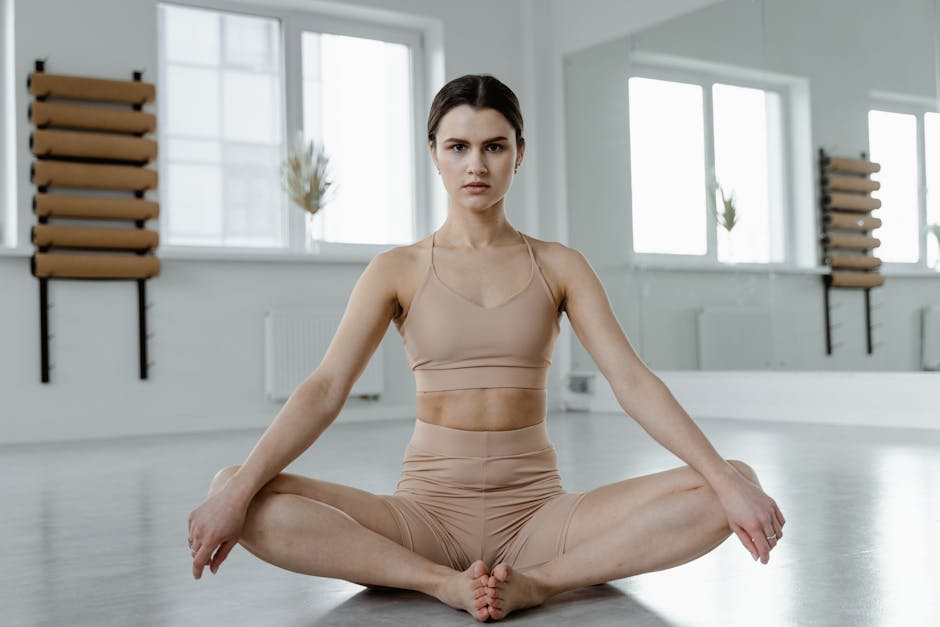
One of the most common complaints I hear about yoga skirts is that they “ride up” or “roll down.” This is almost always a sizing or construction issue. If the waistband is rolling down during a seated fold, it usually means the rise is too low for your torso length, or the size is too small, causing the fabric to seek the narrowest part of your waist. Conversely, if the skirt is riding up, the fabric likely lacks sufficient elastane to “grip” your curves. Always perform a “squat test” in front of a mirror before removing the tags. If the fabric becomes sheer or the liner becomes visible through the outer layer, you need a higher-density knit. Look for “interlock” knits, which are double-stitched to provide total opacity even under extreme tension.
Transitioning Your Yoga Skirt from the Studio to the Street
One of the primary reasons I’ve switched from leggings to skirts for many of my classes is the ease of styling them for the rest of my day. Let’s be honest: walking into a cafe in full-length compression leggings can sometimes feel a bit “too much” like you just came from the gym. A skirt softens the look. It feels more like a deliberate outfit choice rather than just utility wear. I’ve found that the key to making this transition work is all about the layers and the footwear you choose once you step off the mat.
The Weekend Errand Look
When I’m heading from a Saturday morning flow to the grocery store or a casual lunch, I usually swap my damp sports bra for a high-quality cotton T-shirt. I like to do a “French tuck”—tucking just the front of the shirt into the waistband of the skirt—to define the waistline. Throw on a pair of clean white sneakers and a denim jacket, and you suddenly have a cohesive outfit. The skirt provides a feminine silhouette that leggings just can’t match. And because most of these skirts have hidden pockets in the liners, you can keep your phone and cards tucked away without needing to carry a bulky bag into the studio. This “athleisure” approach is perfectly suited for modern retail trends where comfort and style intersect.
Layering for Cooler Weather
Don’t think that yoga skirts are strictly for the summer. I frequently wear mine in the autumn by adding a pair of leg warmers or even wearing them over thin, breathable tights. For the top half, an oversized, chunky knit sweater creates a great play on proportions against the slim-fitting skirt. This is where the texture of the skirt matters; a matte finish (like the Nike Bliss) looks much better with knitwear than a shiny, high-glitz spandex finish. If you’re worried about looking like a tennis player, avoid all-white skirts and stick to deeper tones like forest green, navy, or classic black. These colors bridge the gap between athletic gear and street fashion much more effectively and are widely available through major fashion retailers.
Footwear Choices for Non-Athletic Settings
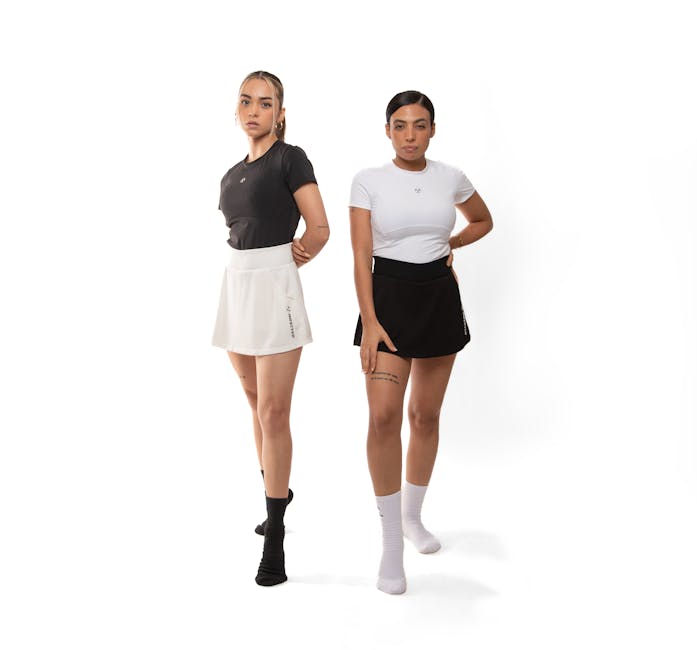
Your shoes will dictate the vibe of the entire outfit. While sneakers are the obvious choice, I’ve occasionally paired my black yoga skirts with low-profile Chelsea boots or even a pair of rugged Birkenstocks for a more “earthy” look. The trick is to ensure the socks aren’t visible or are very intentional. If you’re wearing sneakers, go for no-show socks. If you’re going for a more deliberate “athleisure” look, a pair of crew socks pulled up can work, but it’s a specific aesthetic that isn’t for everyone. Personally, I find that a sleek, minimalist sneaker like a Veja or a classic Stan Smith keeps the outfit looking polished enough for a casual meeting or a coffee date. The versatility of the yoga skirt makes it a staple piece in any modern capsule wardrobe, especially for those who prioritize finance-conscious, multi-use clothing.
Ultimately, the best yoga skirt is the one that makes you feel confident enough to move without self-consciousness. Whether you’re a seasoned yogi or someone just looking for a more comfortable alternative to shorts, the current market offers incredible options that don’t force you to choose between looking good and performing well. I’ve found that having two or three high-quality skirts in my rotation has simplified my morning routine and made my practice feel just a little bit more elevated. And at the end of the day, if you feel good in what you’re wearing, you’re more likely to show up on the mat—and that’s the most important part of the journey.