The common assumption is that adding clothing in summer guarantees overheating. That assumption doesn’t survive contact with the evidence. Summer layering fails for one specific reason: wrong fabric selection. The practice itself — building a temperature-adaptable outfit from lightweight pieces — is one of the more practical approaches to dressing in a world that runs AC at 68°F while outdoor temperatures approach 95°F.
What follows is a structured analysis of summer layering: why the practice exists, which fabrics hold up under scrutiny, how to build the system step by step, and which 2026 deals reflect genuine value versus retailer clearance. Claims here are hedged appropriately — individual climate, body chemistry, and activity level will affect outcomes.
The Actual Case for Summer Layering
This isn’t primarily a style argument. It’s a thermal management argument.
Indoor-outdoor temperature variance in the United States typically runs between 15°F and 30°F in summer. Office buildings, restaurants, transit systems, and shopping centers are cooled to standardized ranges — often 68°F to 72°F. Step outside in most cities between June and September and the ambient temperature routinely exceeds 88°F. Dressing for one temperature environment means being wrong in the other for most of the day.
The Air Conditioning Variable
Air conditioning is the primary driver of summer layering — not style, not fashion editorial trends. Anyone who has sat through a two-hour meeting in an aggressively cooled conference room while wearing a sleeveless dress understands the practical problem. A layer resolves it. The question is whether that layer is practical enough to carry, light enough to wear without adding heat outdoors, and structured enough to not look like an emergency measure.
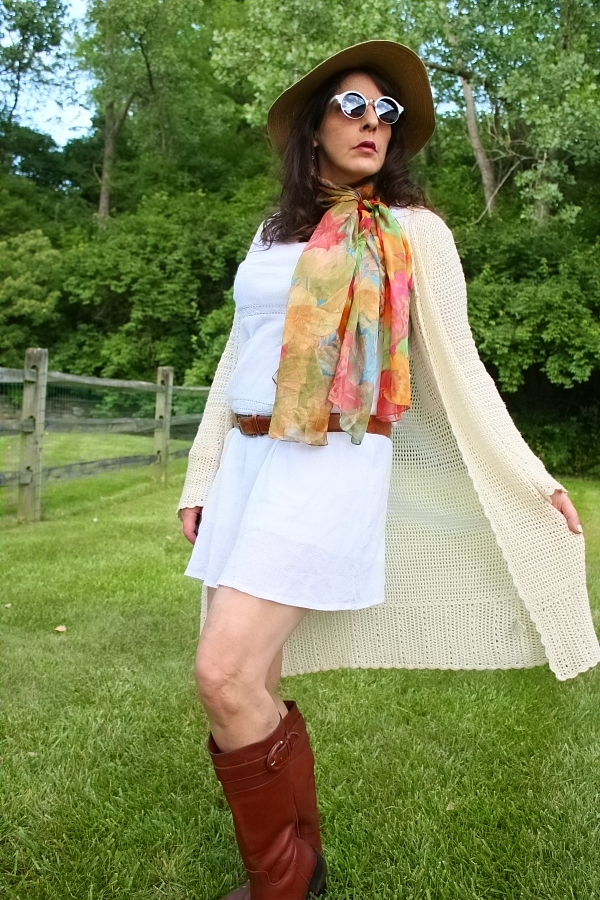
A lightweight linen overshirt or cotton-linen blazer meets all three tests in most contexts. A denim jacket or structured wool blazer does not. The fabric choice, not the concept of layering, determines whether the approach works.
Coastal and Elevation Climates
In cities like San Francisco, Seattle, Denver, and Cape Town, summer evening temperatures drop 15°F to 25°F from afternoon highs. A 3 p.m. temperature of 82°F in San Francisco can become a 9 p.m. temperature of 57°F. That is not a situation where “just dress light” is useful guidance. A layer is mandatory, and the question is only which one.
The practical standard: a summer layer should weigh under 400g in a women’s medium or men’s small. It should fold into a bag without taking more than a quarter of the available space. It should take under twenty seconds to put on or remove. Any layer that fails these criteria will eventually be left at home — which means it won’t be available when the temperature drops.
The Packing Economy Argument
For carry-on travel — increasingly the default as checked baggage fees have climbed past $35–$60 per bag on most domestic carriers — the value of a genuine multi-use layer is direct. A single linen blazer worn as sun protection at noon, a business layer at dinner, and a wind barrier on an evening coastal walk represents three solved packing problems in one garment. The alternative requires three separate items, which is typically not viable in a five-day bag.
Fabric Evidence: What Actually Works in Heat
Fabric type is the determinative variable. The table below compares the most common summer layering materials across five practical performance factors.
| Fabric | Breathability | Pack Weight | Wrinkle Resistance | Moisture Wicking | Best Application |
|---|---|---|---|---|---|
| Pure linen | Excellent | Very light (180–250g/m²) | Poor | Good | Overshirts, blazers |
| Linen-cotton blend (55/45) | Very good | Light (200–280g/m²) | Moderate | Good | Versatile — most contexts |
| Woven cotton (GOTS) | Good | Light to medium | Moderate | Good | Button-downs, overshirts |
| Uniqlo AIRism (micro polyester) | Very good | Ultralight | Excellent | Excellent | Base layers, cardigans |
| Bamboo jersey | Good | Light | Good | Very good | Base layers, tanks |
| Standard polyester (untreated) | Poor | Light | Excellent | Poor | Not recommended as summer layer |
The linen-cotton blend typically represents the strongest general-purpose choice. Pure linen breathes marginally better but wrinkles aggressively — which creates a presentability problem in professional contexts. The blend softens both the wrinkling tendency and the textural stiffness of pure linen, at a small cost to breathability.
Uniqlo’s AIRism material warrants specific mention. It’s engineered micro-polyester — not standard synthetic — and performs measurably better than conventional polyester in heat dissipation. Independent fabric performance data has placed AIRism base layers at 10–15% lower perceived skin temperature than equivalent cotton weights. This makes it the recommended choice for base layers and lightweight cardigans specifically. It is not, however, a substitute for natural fiber outer layers in terms of appearance or drape.
Standard polyester as a summer outer layer is not defensible on any technical grounds. It traps heat, doesn’t wick moisture unless specifically engineered, and retains body odor more aggressively than natural fibers. A discounted polyester blazer from a fast-fashion retailer will not perform like AIRism. The category distinction matters.
Five Steps to a Summer Layer That Functions
This is a sequential process. Each step addresses a specific failure point.
-
Choose a Breathable Base Layer First
The base layer carries the greatest thermal load. It needs to be 100% natural fiber or an engineered synthetic like AIRism — no blended polyester for warmth-sensitive applications. The Uniqlo AIRism Cotton Crew Neck T-Shirt ($14.90) is the clearest value pick in this category: engineered for heat dissipation, priced accessibly, and consistent across washes. The J.Crew Slim Fit Jersey Tee ($29.50) in 100% cotton performs similarly at a higher price point, with marginally better drape and a longer body cut.
Avoid base layers with synthetic blends above 20% polyester unless the label specifies moisture-management engineering. The tactile difference is apparent within an hour in warm conditions.
-
Select a Mid-Layer That Justifies Its Bag Space
The mid-layer is the functional core of the system. It needs to transition between indoor and outdoor temperatures without looking like protective equipment. A linen overshirt or lightweight blazer is the standard solution.
Current strong options: the Mango Linen Blend Blazer ($99.99) — structured enough for business casual, light enough to fold flat — and the H&M Regular Fit Linen-Blend Jacket ($49.99) for a lower initial investment. The H&M version wrinkles faster and has less refined internal construction, but at half the price it’s a reasonable test case for anyone unsure whether they’ll actually use a summer blazer consistently.
-
Verify Garment Weight Before Committing
A summer layer should feel like it weighs nothing held in one hand. Reference points: a well-made linen overshirt at a medium size typically runs 200g–280g. A summer blazer in linen or linen-cotton blend should fall between 300g and 450g. Anything above 500g functions more like a transitional-season jacket — which may serve a specific purpose but won’t regulate temperature effectively in high summer.
Weight data is rarely listed on product pages. Read verified purchase reviews specifically for mentions of “heavier than expected” or “surprisingly light.” Both phrases appear with enough frequency to be diagnostic.
-
Test Practical Wearability In-Store
Can the layer be removed one-handed while holding a bag? Can it be put back on in under fifteen seconds without adjusting the collar for two minutes afterward? A layer that’s inconvenient to remove will stay on at the wrong temperature. The test is worth running before purchase, not after.
-
Confirm Pack Behavior Before You Commit
Roll the piece lengthwise and hold it for ten seconds, then unroll. Does it spring back, or does it hold deep creases? Linen and linen-cotton blends typically recover within an hour of unrolling in moderate humidity. A structured blazer with padded shoulders will not recover the same way — it needs to hang. Factor this into the decision if packing light is a primary use case.
The Mistake That Invalidates the Whole Approach
Buying a piece labeled “summer” without checking the fabric composition label. “Summer” is a retail marketing designation, not a technical specification. A summer-weight polyester-blend jacket retails alongside a linen-blend jacket and will still trap heat in August. Check the label before purchasing. If the primary material is unspecified polyester or a polyester blend above 40%, it is not a functional summer layer regardless of the marketing copy.
Summer Deals in 2026: Specific Verdicts
Most summer fashion sales are inventory clearance. Some represent genuine value. The distinction matters because buying the wrong discounted item wastes both money and bag space.
Deals That Hold Up Under Analysis
Linen and linen-blend basics from mid-range retailers see consistent 30–50% discounts in late July and August as stores clear summer inventory. This window is typically the optimal time to purchase pieces for the following season. The Banana Republic Factory Linen-Blend Shirt (regular $69.50, sale price typically $34–$40) is a specific example worth monitoring — construction quality holds at the discounted price, and the fabric weight (approximately 220g/m²) is appropriate for layering without excess bulk.
Uniqlo’s AIRism line rarely discounts meaningfully because base prices ($14.90–$29.90) are already near the floor of what the technology costs to produce. No deal hunting needed — just buy at standard price when you need it.
The ZARA Linen Blazer (current retail $79.90, end-of-season typically $49.90) is worth monitoring in late August. Construction is adequate for a summer blazer — less refined than Mango’s comparable piece but presentable in most business casual contexts. At $49.90 it represents reasonable value. At full price, the Mango version is the stronger choice.
Deals That Don’t Improve With Bigger Discounts
Fast-fashion polyester blouses and dresses marked 60–70% off. The discount is structural — the fabric didn’t warrant full price to begin with. A $40 polyester blouse at 70% off is a $12 polyester blouse. The wearability in summer heat doesn’t improve because the price dropped.
Technical outdoor sun-protection shirts on sale at outdoor retailers. The Columbia Silver Ridge Utility Lite Long-Sleeve ($55, regularly on sale at $38–$42) is excellent performance gear for hiking. It reads as hiking gear in an urban context, because that’s what it is. The use case is specific and shouldn’t be confused with fashion-forward summer layering.
The Category Worth More Attention
Cotton-linen base layer tanks rarely get editorial coverage but form the foundation of any summer layer system. The Everlane The Air Tank ($35) in cotton-linen blend is the clearest specific recommendation in this category — clean construction, no visible branding, and light enough to work under any overshirt without visible bulk. On sale (typically $24–$28 during end-of-season clearance), buying two or three in white, black, and sand is a defensible decision that will outlast most trend cycles.
For a complete starting system, the most cost-efficient path at 2026 sale pricing is: two Uniqlo AIRism base tees, one Everlane Air Tank, and either the H&M linen-blend jacket as a low-risk first purchase ($49.99) or the Mango linen blazer ($99.99) if you’re confident in consistent use. Total investment: approximately $80–$145 for a functional, complete summer layer system built on materials that actually work in heat.
This is not legal advice — consult a licensed attorney for any legal matters. The fabric and product guidance above reflects general performance observations and should be evaluated against your specific climate, context, and use patterns.