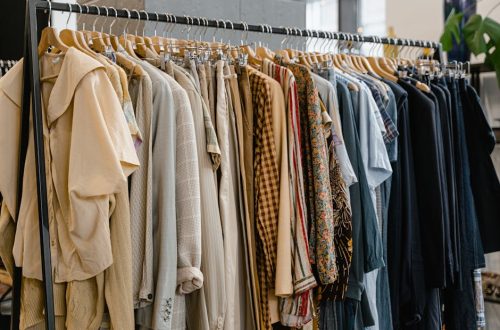

Think about the clothes you own. Now, consider how many times you’ve actually worn each item. A surprising fact: the average garment is worn just 7-10 times before being discarded. This contributes to an estimated 92 million tons of textile waste globally each year. That’s a truckload of textiles landfilled or incinerated every single second.
This isn’t just about environmental impact; it’s about a fundamental misunderstanding of value in our wardrobes. We’ve been conditioned to chase fleeting trends, often overlooking the true cost of fashion. It’s not just the number on the price tag, but the time an item lasts, the care it demands, and the resources it consumes and ultimately wastes.
The Invisible Clock: Why Most Fashion Fades Too Fast
The fashion industry, particularly its fast-paced segment, has effectively trained us to view clothing as disposable. This isn’t an accident; it’s a deliberate business model built on rapid cycles, low prices, and planned obsolescence. It’s an unsustainable race to the bottom, where quantity trumps quality, and our wallets, our time, and the planet pay the price. The result? A wardrobe full of items that barely survive a season, let alone a few washes.
The Scarcity of Durability: Material Trade-offs
Many garments from ultra-fast fashion brands like Shein or Temu rely on materials chosen for their low cost, not their longevity. Thin polyester, cheap cotton blends, and acrylic are common culprits. These fabrics pill quickly, lose their shape, and often degrade after just a few washes. Polyester, while sometimes durable in specific weaves, often presents here in its weakest form, prone to snagging and static. Cotton, when it’s low-grade and loosely woven, stretches out and tears easily. These materials might feel soft initially, but they lack the structural integrity to withstand the demands of daily wear and repeated laundering, leading to a much shorter lifespan than most consumers expect.
The True Price of a “Bargain”: Hidden Environmental and Social Costs
The rapid production cycles of fast fashion also mean immense pressure on supply chains. This often translates into poor labor practices, with workers paid meager wages in unsafe conditions. Environmentally, the dyeing and finishing processes for cheap fabrics are frequently unregulated, polluting local water sources with toxic chemicals. Furthermore, the sheer volume of new items produced requires vast amounts of water, energy, and raw materials, only for these items to end up in landfills, where non-biodegradable synthetics can persist for hundreds of years. A $10 t-shirt might seem like a bargain, but its full cost, when considering environmental degradation and human exploitation, is immeasurable and passed down to future generations.
Deciphering Quality: What Makes a Garment Last Decades?
Building a wardrobe that stands the test of time means understanding what truly constitutes quality. It’s more than just a brand name; it’s about the materials, the construction, and the timelessness of the design. A well-made garment isn’t just an expense; it’s an investment that pays dividends in longevity and style.
Fabric Fundamentals: Beyond the Label
The foundation of a durable garment lies in its fabric. Natural fibers often offer superior longevity and performance. Consider a high-quality Merino wool sweater, like those found from Uniqlo for around $50-$70 or Everlane for $100-$150. Merino wool is naturally resilient, temperature-regulating, and odor-resistant. Compare this to an acrylic sweater, which quickly pills and loses its warmth. Other strong natural fibers include linen, known for its strength and ability to soften beautifully with age, and organic cotton, especially in sturdy weaves like denim or canvas. A pair of classic Levi’s 501s, particularly raw or rigid denim, for around $80-$100, can last a decade or more if cared for properly, unlike thinner, stretchier denim that breaks down quickly. Even synthetics like Tencel or Modal, derived from wood pulp, offer excellent drape and some durability, though their environmental footprint during production requires scrutiny. Understanding the weave is also crucial; a tightly woven twill will generally outlast a loose plain weave.
Construction Critical: Seams, Stitching, and Hardware
Beyond the fabric, inspect how the garment is put together. Strong construction ensures pieces withstand stress and wear. Look for tight, even stitching with no loose threads. High stitch count per inch indicates a durable seam. Flat-felled seams (where the raw edges are folded under and stitched flat, often seen on quality jeans) and French seams (where raw edges are enclosed within another seam, common on delicate blouses) are signs of superior craftsmanship, preventing fraying and adding strength. Examine hardware: metal zippers from reputable brands like YKK are far more reliable than plastic ones, which often fail first. Buttons made from natural materials like Corozo or mother-of-pearl are more durable and aesthetically pleasing than cheap plastic alternatives. A well-constructed garment feels substantial and looks meticulously finished inside and out.
Design for Longevity: Timeless Silhouettes and Versatility
Finally, a garment’s timelessness contributes significantly to its longevity in your wardrobe. Classic styles, which transcend fleeting trends, ensure you’ll want to wear them for years. Think of a well-tailored trench coat, a crisp white button-down shirt, a simple cashmere crewneck sweater, or straight-leg trousers. These pieces form the backbone of a versatile wardrobe, easily styled in multiple ways across different seasons and occasions. Opting for neutral colors and minimal embellishments further enhances versatility. Investing in these enduring silhouettes means you spend less time chasing new trends and more time enjoying a cohesive, personal style.
The Unsung Hero: How Proper Care Extends Garment Life Dramatically
Even the highest quality garment won’t last if it’s not cared for properly. Your laundry habits and storage solutions play a massive role in preserving the integrity, color, and fit of your clothes. Think of garment care as routine maintenance for an investment, rather than a chore.
- Washing Less: This is perhaps the most impactful change. Clothes don’t need to be washed after every wear, especially outer layers like sweaters, jackets, or jeans. Airing them out, spot cleaning, or using a fabric refresher can often suffice, preserving fibers and reducing water/energy consumption.
- Cold Water & Gentle Cycles: Hot water can cause shrinkage, fade colors, and break down elastic fibers. Cold water is effective for most cleaning and significantly gentler on fabrics, extending their life while saving energy. Use the delicate or hand-wash cycle for most of your wardrobe.
- Right Detergents: Not all detergents are created equal. For wool and silk, use an enzyme-free, pH-neutral detergent like Woolite Delicates or a specialized wool wash. Enzymes in standard detergents can break down protein fibers, damaging these natural materials. For other items, choose an eco-friendly detergent that is less harsh on fabrics and the environment.
- Air Drying: Tumble dryers, especially on high heat, are notorious for causing shrinkage, fading, and fiber damage. The friction and heat weaken threads and can even cause pilling. Whenever possible, air dry your clothes. Lay knits flat to prevent stretching, hang shirts on good quality hangers, and use a drying rack for other items.
- Storage Solutions: Proper storage prevents damage between wears. Store knits folded to prevent stretching. Use padded hangers for jackets and coats. Keep clothes in a dry, well-ventilated space. Cedar blocks or sachets can deter moths and absorb moisture for natural fibers.
- Mending & Repair: Don’t discard a garment for a small tear or missing button. Simple mends can add years to a garment’s life. Learning basic sewing skills, or finding a local tailor, is a valuable investment of your time.
Specific Detergent Choices for Delicate Fabrics
When it comes to delicate materials like silk, wool, or cashmere, standard detergents can be their worst enemy. These materials are protein-based, and the enzymes found in many conventional detergents are designed to break down proteins (like food stains), which can unfortunately also degrade the fabric itself over time. Instead, opt for a specialized wool and delicate wash, such as Woolite Delicates, Eucalan, or The Laundress Wool & Cashmere Shampoo. These products are formulated to be pH-neutral and enzyme-free, gently cleaning without stripping natural oils or damaging the fibers. Using these ensures your investment pieces retain their softness, shape, and longevity for many years.
Repair Essentials: Basic Sewing Kit Components
A small investment in a basic sewing kit can save countless garments from an early grave. You don’t need to be a master tailor; just a few simple tools and a willingness to learn a basic stitch are enough. Your essential kit should include: a variety of sharp sewing needles (different sizes for different fabrics), a selection of all-purpose polyester threads in common colors (black, white, navy, gray), a small pair of sharp fabric scissors (never use them for paper!), a thimble for pushing needles through tough fabric, and a seam ripper for quickly undoing mistakes. With these items, you can easily reattach a loose button, mend a small tear, or fix a popped seam, extending the life of your clothing and reducing waste.
Fast vs. Slow Fashion: A Durability Showdown
The difference in longevity between items from fast fashion brands and those from slow fashion or investment brands is stark. It’s a trade-off between immediate gratification and lasting value. Understanding this contrast helps inform smarter purchasing decisions.
| Feature | Typical Fast Fashion Item (e.g., Generic Polyester Blouse) | Investment Piece (e.g., Silk Blouse from Cuyana) |
|---|---|---|
| Material Quality | Low-grade polyester, thin cotton blends, acrylic. Prone to pilling, stretching, fading. | High-quality natural fibers (silk, linen, Merino wool) or durable, consciously-sourced synthetics (Tencel, recycled polyester). |
| Construction | Single-stitched seams, loose threads, cheap plastic zippers/buttons, minimal finishing. | Double-stitched, French or flat-felled seams, strong threads, YKK zippers, natural buttons (Corozo, shell). |
| Price Range | $5 – $50 | $100 – $500+ (e.g., Eileen Fisher, Patagonia) |
| Expected Lifespan | 1-2 seasons (7-10 wears) | 5-15+ years with proper care |
| Environmental Footprint | High: rapid consumption of resources, toxic dyes, significant waste, often unrecyclable. | Lower: durable materials, conscious production, repairable, often uses certifications like GOTS (Global Organic Textile Standard) or Responsible Wool Standard. |
As the table highlights, the initial price difference is substantial, but the long-term value tells a different story. A cheap polyester blouse might cost $20, but if it lasts only 10 wears, its cost per wear is $2. A silk blouse from a brand like Cuyana, costing $150, might seem expensive, but if it lasts for 100 wears over 10 years, its cost per wear drops to $1.50. Furthermore, brands like Patagonia explicitly design for durability and even offer repair services, demonstrating a commitment to product longevity that’s absent in fast fashion.
The “Cost Per Wear” Equation: A Smarter Metric
To truly evaluate a garment’s worth, move beyond the sticker price and consider its Cost Per Wear (CPW). This simple calculation helps you understand the actual value you get from an item over its lifetime. The formula is straightforward: CPW = Total Price of Item / Number of Times Worn. For example, if you buy a pair of jeans for $100 and wear them 200 times, their CPW is just $0.50. Conversely, a $20 t-shirt worn only 5 times has a CPW of $4. This metric reveals that investing more in higher-quality items, even with a larger initial outlay, often results in a lower CPW and a more sustainable wardrobe in the long run. It encourages mindful consumption, prioritizing longevity and genuine value over fleeting trends and superficial bargains.
Ethical Production and Material Sourcing: Beyond the Hype
For those looking to align their values with their wardrobe, understanding ethical production and material sourcing is essential. Certifications like the Global Organic Textile Standard (GOTS) for organic cotton ensure that textiles are produced using environmentally and socially responsible methods, from raw material to finished product. The Responsible Wool Standard (RWS) certifies wool that comes from farms with a progressive approach to managing their land and respect for the welfare of the sheep. While these certifications can add to the initial cost, they provide assurance of a product’s integrity beyond mere durability. Brands that actively pursue such certifications, like Eileen Fisher or Patagonia, often embed longevity and circularity into their core business model, offering products that are not only built to last but also produced with a conscience.
Reclaiming Your Time (and Wardrobe): A Mindset Shift
The relentless clock of fast fashion constantly demands your attention, your money, and ultimately, your time. It’s a cycle of acquisition, brief enjoyment, and swift disposal. By shifting focus from quantity to quality, from fleeting trends to enduring style, you gain much more than just a durable wardrobe. You reclaim your decision-making power, reduce waste, and invest in pieces that truly reflect your personal style, saving you endless hours of shopping and ultimately, greater financial freedom. It’s about building a wardrobe that lasts, not just for a season, but for years to come.