Do your tunics gather dust in the closet, only pulled out for the most casual days? Many women struggle with making tunics feel stylish. They buy them, hoping for a versatile piece, but often find themselves defaulting to the same old leggings. The result? Outfits that feel less put-together and more like an afterthought. It’s a common problem. The tunic, a garment promising comfort and ease, often delivers shapelessness instead.
This doesn’t have to be your experience. With the right approach, tunics can become powerful workhorses in your wardrobe, transitioning seamlessly from relaxed weekends to elevated evenings. It’s about understanding a few core principles: fit, proportion, and smart pairings. Let’s unlock the full potential of this misunderstood garment.
Why Do My Tunics Feel Unflattering?
The primary reason tunics often miss the mark comes down to perceived fit and visual balance. What looks effortless on a hanger can feel overwhelming on the body. A tunic’s inherent loose nature means careful consideration is necessary to avoid a “boxy” or “swallowed” appearance. Many women choose tunics for comfort, but sacrifice shape in the process. Understanding these pitfalls is the first step to truly mastering tunic styling.
Common Fit Issues
Most tunics are designed with a relaxed fit. This is part of their appeal. However, “relaxed” can quickly become “shapeless” without the right cut. Many tunics are too wide through the torso, creating a tent-like effect. The shoulder seam might drop too far, making you look broader than you are. Length is also critical. A tunic that hits at the widest part of your hips can draw unwanted attention, while one that’s too short loses its tunic identity and becomes just a long top. For a flattering look, seek cuts that offer a subtle taper or an A-line flare starting just below the bust, providing ease without excess fabric around the waist. Pay attention to sleeve length and width too; overly voluminous sleeves can compete with the tunic’s body.
Fabric Choice Matters
The material of your tunic dictates how it drapes and holds its shape. A heavy jersey knit will hang differently than a crisp linen or a fluid rayon. Fine-gauge knits, like merino wool or a high-quality cotton blend, offer a more refined drape than a chunky, open-weave sweater tunic. Lightweight fabrics such as silk or sheer chiffon can add elegance but require careful layering to avoid transparency. For structure, opt for fabrics with some inherent body, like a dense poplin or a substantial brushed cotton. Avoid overly clingy synthetic blends that highlight every curve unless paired with strategic layering. The fabric needs to complement the tunic’s cut and your desired look. A crisp, structured fabric supports a sharper silhouette, while a soft, flowing fabric creates a more bohemian or relaxed vibe.
The Leggings Trap
Leggings are the go-to pairing for tunics for obvious reasons: comfort and ease. But relying solely on leggings severely limits your styling potential and often leads to a casual, sometimes uninspired, look. While comfortable, leggings can sometimes emphasize the shapelessness of a tunic by providing zero structure or counter-balance below. This “leggings trap” makes tunics feel like loungewear exclusively. To elevate your tunic, think beyond the stretch. Consider bottoms that offer different textures, volumes, or tailored lines. This contrast is what transforms a tunic from an at-home staple to a versatile fashion piece. We’ll explore better bottom options shortly.
Mastering Proportions: The Key to Tunic Confidence
Proportion is the most critical element in making a tunic look intentional and stylish. It’s about creating balance and visual interest, preventing the outfit from appearing “unbalanced” or “frumpy.” Think of your body in thirds or halves. A tunic often covers a significant portion of your upper body, so the lower half needs to complement that coverage without adding bulk or shortening your appearance. This understanding helps you manipulate lengths and widths to your advantage, making any tunic look tailored to you.
Top-Heavy vs. Balanced
A tunic naturally makes your upper body appear longer and potentially wider. To counteract this “top-heavy” effect, you need to create balance with your bottom half. The general rule is if your top is loose and voluminous, your bottom should be more fitted. This doesn’t always mean skinny jeans, but it means avoiding a similarly loose, wide-leg pant or a voluminous maxi skirt unless you are very tall and can carry off a full, flowing silhouette. A slim-cut trouser, a straight-leg jean, or even tailored shorts can provide the necessary counterpoint. For specific tunic styles, like an oversized sweater tunic, pairing with a sleek, darker wash denim creates instant equilibrium. Conversely, a very structured tunic can sometimes handle a slightly wider leg pant if the fabric of the pant has a good drape.
Hemline Rules for Different Heights
The tunic&rsquos hemline is vital. For petite frames, a tunic that falls no lower than mid-thigh, around 30-32 inches from the shoulder, often works best. This length elongates the leg line. Taller individuals can comfortably wear tunics that extend to the upper thigh or even mid-thigh, up to 34-36 inches, without shortening their legs too much. The ideal hemline should also consider where your body naturally narrows. Avoid tunics that end precisely at the widest point of your hips or thighs. An asymmetrical hem, where the front is slightly shorter than the back, can add visual interest and create a more dynamic line, often flattering across various heights.
The Power of a Defined Waist
Even with a loose tunic, defining your waist can dramatically improve the overall look. This doesn’t mean cinching it tightly. A simple, thin belt worn over the tunic, at your natural waist or slightly above, can create an hourglass shape and break up the fabric expanse. For a more subtle effect, a tunic with side vents or subtle darting can give the illusion of a waist. Another technique is the “half-tuck” or “front tuck” – tucking just the front portion of the tunic into your pants or skirt. This technique works best with tunics made from softer, less bulky fabrics. It creates an informal waistline, adds texture, and visually lengthens your legs. For a flowy tunic, consider wearing it over a pencil skirt or slim dress and adding a belt, transforming the tunic into a chic layering piece.
Tunic Types: Which Style Works for Your Day?
Not all tunics are created equal. Different cuts and designs suit various occasions and body types. Understanding these distinctions helps you select the right tunic for your specific needs, maximizing both comfort and style. It’s about matching the tunic’s inherent personality with your activity and personal aesthetic. Choosing the right style can transform your outfit from haphazard to intentional.
A-line vs. Straight-cut Tunics
The cut of a tunic significantly impacts its versatility and how it flatters different figures. A-line tunics flare gently from the bust or shoulder, offering a forgiving silhouette that skims the hips without clinging. They are ideal for those who prefer more movement and a relaxed feel, often pairing well with slim-cut bottoms. An A-line in a fluid fabric like rayon or silk blend can look elegant for a lunch meeting. Straight-cut tunics, on the other hand, maintain a more consistent width from top to bottom. These can appear more tailored and structured, especially in fabrics like crisp cotton or linen. They work well for layering under blazers or cardigans and are excellent when paired with slightly wider-leg pants for a balanced, modern look. However, straight cuts can sometimes feel boxy if not proportioned correctly. When choosing, consider your body’s natural lines: A-line often complements pear or apple shapes, while straight cuts can suit rectangular or inverted triangle figures.
High-Low Hems and Asymmetry
Tunics with high-low hems or asymmetrical cuts offer a contemporary edge and add dynamic interest to an outfit. A high-low hem tunic is shorter in the front and gradually lengthens towards the back. This style is particularly flattering as the shorter front elongates the legs, while the longer back provides coverage. It creates a graceful flow and is perfect for showing off footwear. These tunics often look best in lightweight, flowing fabrics. Asymmetrical tunics feature uneven hemlines, sometimes diagonally cut or with one side significantly longer than the other. This design element draws the eye, breaking up the vertical line of the body and creating a more artistic, less conventional look. They are fantastic for adding a touch of drama and individuality. When styling, allow the unique hemline to be a focal point; keep other elements of the outfit relatively simple to avoid visual clutter. Both high-low and asymmetrical styles are excellent choices for adding movement and modern flair to any tunic collection.
Here’s a quick comparison of popular tunic styles:
| Tunic Style | Key Features | Best For | Ideal Pairing |
|---|---|---|---|
| A-Line Tunic | Flares gently from bust/shoulder; relaxed fit. | Comfort, flattering most body types, easy movement. | Slim-fit trousers, leggings, pencil skirts. |
| Straight-Cut Tunic | Consistent width top to bottom; more structured. | Layering, professional settings, sleek modern look. | Straight-leg jeans, tailored wide-leg pants. |
| High-Low Hem Tunic | Shorter front, longer back; dynamic flow. | Elongating legs, unique visual interest, showcasing shoes. | Skinny jeans, capris, fitted shorts. |
| Asymmetrical Tunic | Uneven hemlines; artistic, modern appeal. | Statement piece, avant-garde style, breaking traditional lines. | Simple, solid bottoms – black trousers, dark wash denim. |
Beyond Denim: Bottoms That Elevate Tunic Outfits
While denim and leggings are comfortable, they don’t always showcase the full potential of a tunic. To truly elevate your tunic game, consider alternative bottoms that introduce new textures, silhouettes, and levels of formality. These pairings can transform a simple tunic into a sophisticated ensemble, proving its versatility for almost any occasion. Moving beyond the obvious opens up a world of styling possibilities.
-
Wide-Leg Trousers
A flowing wide-leg trouser paired with a more fitted, structured tunic creates a sophisticated and balanced look. This combination works particularly well for office environments or evening events. Choose trousers in fabrics like crepe, linen blends, or a soft wool for elegant drape. The key is to ensure the tunic isn’t overly voluminous – a slightly more tailored tunic that skims the body, rather than floats away from it, will prevent a “swallowed” look. A monochromatic palette with a wide-leg pant and tunic can create a striking, elongated silhouette. Consider a tunic in a silk blend tucked neatly into the front of high-waisted, wide-leg trousers for a refined, modern aesthetic. The trouser should hit the floor just above your shoes, ensuring a long, unbroken line.
-
Tailored Shorts
For warmer weather, tailored shorts offer a chic alternative to casual denim cut-offs. Bermuda-length shorts or tailored “city shorts” that hit mid-thigh or just above the knee create a smart, polished look when paired with a tunic. This pairing works best with tunics that are a bit more structured or made from crisp fabrics like cotton poplin or linen. Avoid overly casual jersey tunics with tailored shorts. A tunic in a vibrant pattern worn over solid, neutral-toned tailored shorts can be a refreshing summer outfit. Ensure the shorts are well-fitted but not tight, providing a clean line that contrasts with the tunic’s flow.
-
Maxi Skirts
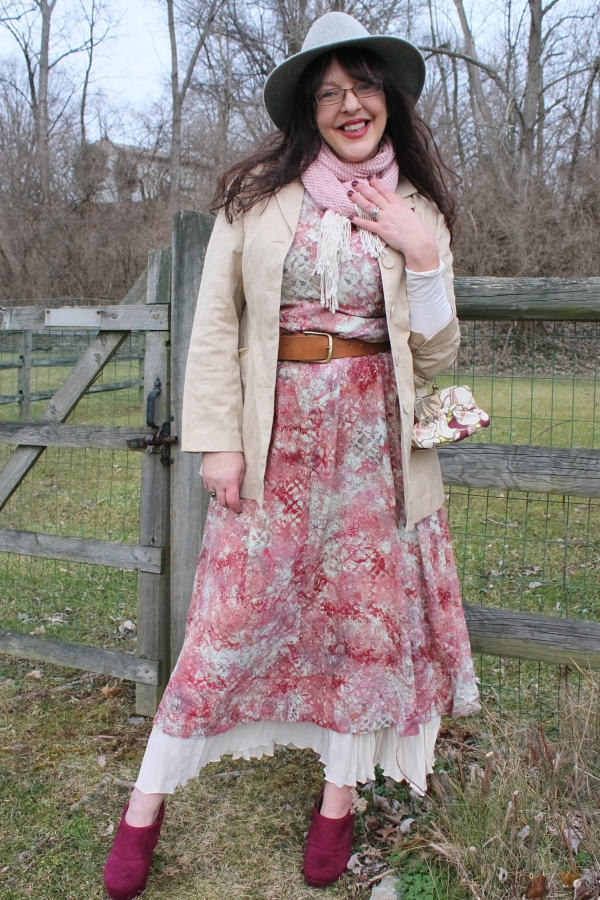
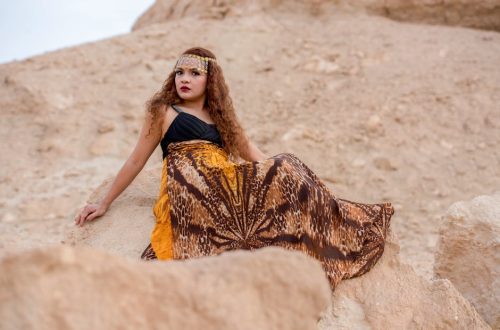
Yes, tunics can absolutely be worn with maxi skirts – but with specific considerations. The goal is to create a bohemian, ethereal, or very relaxed silhouette without appearing shapeless. This pairing works best with tunics that are either very short (hitting just below the hip) or tunics made from extremely lightweight, flowing fabrics. The skirt itself should ideally be slim-fitting or have a gentle A-line to avoid excessive volume. A tunic in a sheer fabric, layered over a solid maxi skirt and a camisole, can create a beautifully layered look. For a more structured approach, choose a column-style maxi skirt and a tunic that is belted at the waist to create definition. This combination is excellent for creating a relaxed yet artistic aesthetic, especially when paired with sandals or ankle boots.
The Single Best Accessory for Any Tunic Look
If you choose just one accessory to transform your tunic outfits, make it a belt. This is not a suggestion — it’s a firm recommendation. A belt has the power to instantly refine, define, and elevate a tunic, taking it from shapeless to styled. It creates a focal point, defines your waist, and adds an intentional layer that can completely change the outfit’s silhouette. Neglecting this simple tool is a missed opportunity for most tunic wearers.
The Role of Belts
A belt provides crucial structure where a tunic often lacks it. By cinching the tunic at your natural waist or slightly above (empire waist), you create an hourglass shape, even if the tunic itself is a straight cut. A wide belt can make a bold statement, while a thin belt offers subtle definition. Match the belt’s style to the tunic’s fabric and the overall aesthetic. A woven leather belt suits a linen tunic for a bohemian vibe. A sleek, minimalist leather belt elevates a silk tunic for a more polished look. Experiment with placement: a belt worn slightly higher can lengthen the lower body, while one worn lower on the hips can add a relaxed feel to a shorter tunic. The belt visually breaks up the tunic’s expanse, adding visual interest and preventing a monolithic look.
Necklaces and Scarves
While belts are for structure, long necklaces and scarves play a significant role in adding vertical lines and drawing the eye. A long, delicate pendant necklace can create a “V” shape that elongates the neck and torso, especially with higher neck tunics. Chunky statement necklaces can add personality and act as a focal point. Scarves, whether draped loosely or tied artfully, introduce color, texture, and movement. A lightweight silk scarf can be tied around the neck, or even used as an impromptu belt, adding versatility. For tunics with simple necklines, a scarf can provide much-needed visual interest. Choose scarves that complement the tunic’s color palette without overwhelming the overall look. The key is to use these accessories to enhance, not distract from, the tunic’s potential.
When to Skip the Tunic Altogether
Sometimes, a tunic simply isn’t the right choice. If your goal is a highly formal, strictly tailored look, most tunics will fall short. For environments requiring sharp, business-professional attire, a tunic’s relaxed nature might work against you. Similarly, if your primary aim is to show off a very structured bottom — like a tailored pencil skirt with a specific waistband — a tunic might obscure the details. Know when to lean into its comfort and when to opt for a traditional blouse or jacket.
Seasonal Tunic Styling: Your Top Questions Answered
Tunics aren’t just for one season. Their adaptability is one of their greatest strengths. With smart layering and appropriate fabric choices, a tunic can be a year-round wardrobe staple. Here, we address common questions about making tunics work in different climates and for various weather conditions.
Can I Wear Tunics in Summer?
Absolutely. For summer, focus on tunics made from breathable, lightweight fabrics. Linen, cotton gauze, and light rayon are excellent choices. Look for styles with wider necklines – like boat necks or V-necks – and shorter sleeves, or even sleeveless designs. A white linen tunic over tailored shorts or wide-leg palazzo pants is a classic summer look. Bright colors and playful patterns also shine in warmer months. Pair them with sandals, espadrilles, or open-toed wedges. Consider a sheer tunic as a stylish beach cover-up that transitions easily to a casual lunch. The key is to prioritize airflow and natural fibers to stay cool and comfortable.
Layering for Colder Weather
Layering transforms tunics into winter-appropriate garments. Start with a foundation: a thin, long-sleeve thermal top or a fitted turtleneck can be worn underneath. Then, layer the tunic itself. Over the tunic, add warmth with cardigans, tailored blazers, or even fitted leather jackets. A chunky knit sweater tunic provides inherent warmth. For bottom layers, consider thick leggings, fleece-lined tights, or slim-fitting wool trousers. Cashmere or merino wool tunics are luxurious and warm options. The key is to build layers that add warmth without creating excessive bulk. Play with different textures – a smooth jersey tunic under a cable-knit cardigan, for instance – to add depth to your cold-weather ensembles.
Footwear Pairings
The right footwear can define the entire tunic look. For casual everyday wear, sleek white sneakers, comfortable loafers, or ankle boots work well. If you’re aiming for an elegant or dressier aesthetic, opt for knee-high boots (especially with a shorter tunic and leggings), pointed-toe flats, or block-heel pumps. In summer, sandals, espadrille wedges, or dressy flat mules complement tunics beautifully. The height of your boot shaft is critical when pairing with tunics and leggings; a tall boot creates a continuous line and elongates the leg. Avoid overly chunky sneakers or very clunky shoes that can weigh down the overall silhouette, especially with flowy tunics. Think about the overall “feel” of the outfit – is it relaxed, polished, or bohemian – and choose shoes that align with that aesthetic.
Ultimately, tunics offer immense potential for versatile styling, moving far beyond their reputation as simple loungewear. By focusing on smart proportions, thoughtful fabric choices, and strategic accessorizing, you can transform these comfortable garments into chic, confident ensembles for any occasion.