
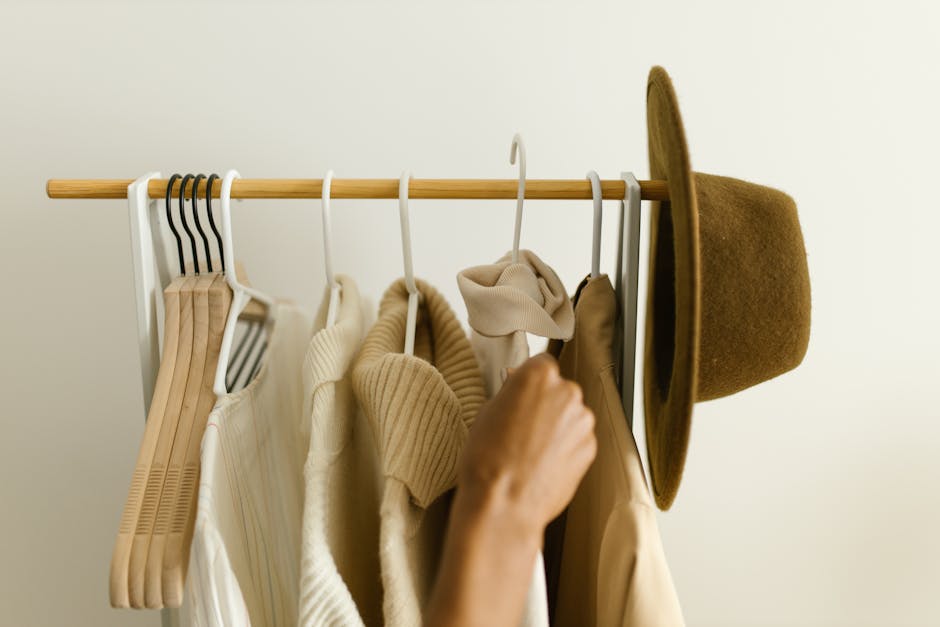
Australians ditch over $500 million worth of clothes into landfill every year, much of it barely worn. Your bursting wardrobe isn’t just a space problem; it’s a financial drain and an environmental disaster. It’s time to stop.
Why Your Wardrobe Is a Mess (and How to Fix It)
Your wardrobe is probably a mess. Admit it. You’ve got pieces you haven’t touched in years, impulse buys that never quite fit, and a rotating door of fast fashion that falls apart after two washes. This isn’t just disorganisation; it’s a symptom of buying without purpose. You’re buying into trends, not investing in style. That’s the core issue.
Fixing it means changing your entire approach to clothing. No more ‘just in case’ items. No more chasing fleeting fads. You need a system that works for you, for your Australian lifestyle, and for your wallet. It means quality over quantity, versatility over novelty. This isn’t about deprivation; it’s about liberation from choice overload and consumer guilt. Get rid of the mental clutter that comes with a physical mess.
The Problem with Impulse Buys
You see something on sale, you grab it. It’s a dopamine hit. Then it sits there. Impulse buys are the death of a functional wardrobe. They rarely integrate, often requiring more purchases to ‘make them work.’ Stop. Before you buy anything, ask: does this fit three existing outfits? Will I wear it at least 20 times? If the answer isn’t an immediate yes, walk away. Period.
Understanding Your Lifestyle Needs
Your life isn’t a fashion magazine spread. Do you work from home? Are you a student? Do you spend weekends at the beach or hiking? Your capsule needs to reflect your actual daily activities, not some aspirational fantasy. A corporate lawyer needs different pieces than a freelance graphic designer. Be honest about what you actually do.
The Core Principles of an Australian Capsule

Building a true Australian capsule isn’t rocket science, but it demands discipline. Forget the arbitrary numbers you read online about 30 items or 50 items. That’s not the point. The point is thoughtful curation. Here’s how to think about it:
- Prioritise Versatility: Every single item must be able to be styled in at least three different ways. A dress that works for a casual brunch, a workday with a blazer, and an evening out? That’s gold. A top that only goes with one specific skirt? Get rid of it.
- Embrace Layering: Australia’s weather is notoriously unpredictable. A cool morning can turn into a scorching afternoon, then a chilly evening. Lightweight layers are crucial. Think cardigans, light jackets, and long-sleeved tops that can be rolled up.
- Focus on Quality Fabrics: Cheap fast fashion is a false economy. Invest in natural fibres like linen, cotton, merino wool, and Tencel. They breathe better, last longer, and often look better even after many washes. Brands like *Country Road* or *Bassike* offer quality basics designed to last.
- Define Your Colour Palette: This is non-negotiable. Pick a base of 2-3 neutrals (black, navy, white, grey, beige) and 1-2 accent colours. This ensures everything mixes and matches seamlessly, making outfit creation effortless.
- Consider Your Climate First: Australian summers are brutal. Your capsule must lean heavily into breathable, lightweight fabrics and styles that handle heat and humidity. Don’t build a wardrobe for European winters unless you actually live in one.
- Regularly Edit and Review: A capsule isn’t a one-and-done project. It’s a living system. Every season, take stock. What did you wear? What didn’t you? What needs replacing? Be ruthless in your editing.
Building Your Foundation: Essentials That Last
You need a solid foundation before you even think about adding anything else. These are the workhorses of your wardrobe, the pieces you’ll reach for constantly. Skimp on these, and your whole capsule crumbles. The goal here isn’t just to buy clothes, but to acquire garments that will stand up to repeated wear, wash, and the harsh Australian sun. Think about longevity and timelessness. These aren’t just items; they’re investments in your personal style and future convenience.
Start with your core neutrals. A well-fitting pair of dark wash jeans, a crisp white shirt, a classic black or navy t-shirt. These are not exciting pieces, but they are absolutely essential. They form the backbone against which all other garments will play. Don’t compromise on fit or fabric here. A cheap t-shirt will stretch and pill. A quality cotton tee from a brand known for its basics, like *Seed Heritage*, will hold its shape and colour. Similarly, denim isn’t just denim. Invest in a cut that flatters your body and holds up to wear. A straight-leg or slim-fit jean can be dressed up or down with ease.
Next, consider your outerwear. Given Australia’s climate variability, a lightweight trench coat or a quality denim jacket is invaluable. They provide warmth when needed, shield from unexpected rain, and add a layer of polish to any outfit. For cooler months, a merino wool cardigan or a simple, well-structured blazer can elevate a basic tee and jeans into something appropriate for office or evening. The key is that these outer layers should complement, not compete with, your inner layers. They should be in your core neutral palette to maximise their mixing and matching potential.
Footwear often gets overlooked, but it’s critical. You need practical shoes that are comfortable for walking, and a couple of options for dressing up. A versatile white sneaker, a pair of leather sandals (essential for Australian summers), and a comfortable, low-heeled boot for cooler weather are good starting points. If your lifestyle demands it, add a classic pump or loafer. Again, quality matters. Cheap shoes wear out fast, provide no support, and frankly, look cheap. Don’t be that person. Invest in good leather or durable, breathable materials. This foundational approach ensures every piece earns its place.
The Power of a Perfect White T-Shirt
It’s not just a t-shirt. It’s a blank canvas. It pairs with jeans, skirts, under blazers, over swimwear. You need at least two, preferably three, in a high-quality cotton or linen blend. Ensure it’s not too sheer, holds its shape, and feels good against your skin. This is the ultimate versatile piece.
Choosing Your Core Bottoms Wisely
Beyond jeans, think about a tailored trouser in a neutral colour. Black, navy, or charcoal. This instantly elevates your capsule for more formal settings. A versatile midi skirt, perhaps in a breathable fabric like linen, offers another option that transitions easily from day to night. For summer, quality linen shorts are non-negotiable. They need to be comfortable and well-cut, not flimsy.
Seasonal Adjustments: Summer vs. Winter in Australia

Australia isn’t a single climate zone. What works in Brisbane won’t cut it in Hobart. Your capsule needs to adapt, but the core principles remain. This isn’t about buying a whole new wardrobe; it’s about swapping out specific items and adding layers. Embrace the fluidity. The table below outlines general swaps, but you’ll need to tailor it to your specific region and daily conditions.
| Category | Australian Summer (Hot, Humid) | Australian Winter (Cool, Mild to Cold) |
|---|---|---|
| Outerwear | Light linen blazer, denim jacket, unlined trench coat, open cardigans | Wool blazer, merino wool cardigan, trench coat (lined), puffer jacket (for colder regions) |
| Tops | Linen shirts, cotton tees, silk camisoles, breathable blouses | Long-sleeved cotton tops, merino wool jumpers, cashmere sweaters, thicker knit tops |
| Bottoms | Linen shorts, cotton midi skirts, wide-leg linen trousers, denim shorts | Dark wash jeans, tailored wool trousers, midi or maxi skirts (wool blend), corduroy pants |
| Dresses/Jumpsuits | Cotton sundresses, linen midi dresses, flowy jumpsuits | Long-sleeved knit dresses, wool blend pinafores, heavier fabric jumpsuits |
| Footwear | Leather sandals, espadrilles, white sneakers, open-toe flats | Ankle boots, loafers, closed-toe flats, waterproof boots (for wet areas), dress sneakers |
| Accessories | Straw hats, sunglasses, lightweight scarves | Wool beanies, leather gloves, heavier scarves |
The key here is that many foundational pieces, like dark wash jeans or a classic white tee, can transcend seasons with the right layering. It’s about strategic additions and subtractions, not a complete overhaul.
Adapting to Regional Variations
A Sydney winter is vastly different from a Melbourne winter. If you’re in the tropics, your ‘winter’ might just mean a slightly less humid period. Consider your specific location. Coastal areas mean salt air and humidity. Inland means dry heat and cold nights. Your material choices will reflect this. For instance, linen is king in Queensland, but merino wool is a lifesaver in Tasmania.
Transitioning Between Seasons Seamlessly
Don’t pack everything away. Keep a few transitional pieces accessible. A denim jacket, for example, works year-round. A lightweight knit can be thrown over a summer dress on a cool evening. These bridge items make the swap less drastic and more practical.
Colours and Fabrics: The Non-Negotiables
This is where many people go wrong. They buy colours that don’t mix or fabrics that can’t handle the wear. Stop doing that. Your colour palette and fabric choices dictate the functionality and longevity of your capsule. Get these right, and the rest is easy.
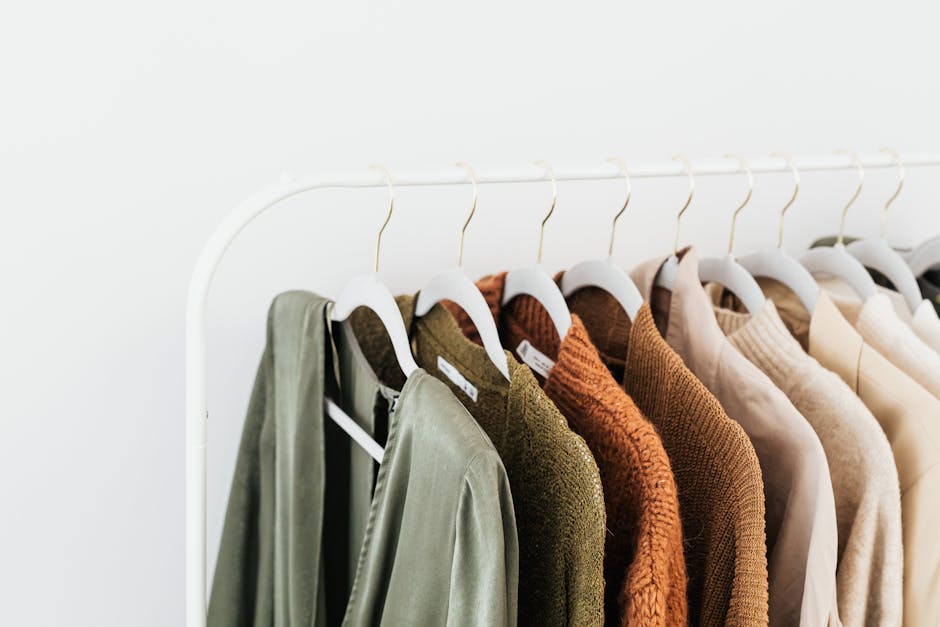
For colours, stick to a base of neutrals. Black, white, grey, navy, beige, olive. These are your workhorses. Then, introduce 1-3 accent colours that complement your skin tone and can be mixed with your neutrals. Think terracotta, dusty rose, forest green, or a deep blue. The fewer accent colours, the easier it is to mix and match. The goal is cohesion, not a rainbow.
Fabrics are even more critical, especially in Australia. You need materials that breathe, are durable, and are easy to care for. Synthetic fibres often trap heat and can smell quickly. Prioritise natural fibres where possible. They feel better, last longer, and age gracefully.
The Superiority of Natural Fibres
Linen: Your best friend for Australian summers. It’s breathable, absorbs moisture, and gets softer with every wash. Yes, it wrinkles, but that’s part of its charm. Embrace it. Look for 100% linen or linen blends.
Cotton: A versatile staple. Opt for high-quality, dense cottons for t-shirts, shirts, and denim. Organic cotton is a bonus for both comfort and sustainability. Avoid thin, cheap cottons that lose shape quickly.
Merino Wool: Don’t just think winter. Fine merino is fantastic for layering year-round. It’s breathable, odour-resistant, and regulates temperature incredibly well. It’s an investment, but it pays off in comfort and durability.
Why Synthetics Are Your Enemy
Polyester, acrylic, nylon. Avoid them. They don’t breathe, they trap heat, they can feel itchy, and they often pill or look cheap after a few washes. While some technical synthetics have their place in activewear, for everyday clothing, they’re a compromise. Your skin deserves better. They might be cheaper upfront, but their lifespan and comfort are inferior.
Maintaining Your Minimalist Closet
A capsule wardrobe isn’t just about what you buy; it’s about how you maintain it. Neglect leads to disarray, and disarray defeats the purpose. This isn’t a set-and-forget system. It requires ongoing attention, but the payoff is worth it. Think of it as a small, highly efficient team. You need to keep them in top condition.
How Often Should I Declutter My Capsule Wardrobe?
At least twice a year, at the change of major seasons. Go through every item. Ask yourself: did I wear this in the last six months? Does it still fit? Is it in good condition? Does it align with my style? Be ruthless. If you haven’t worn it, or if it’s damaged beyond repair, it’s out. Don’t let sentimentality clutter your space or mind. A pristine, curated collection is better than an overflowing, unworn one.
What’s the Best Way to Store Off-Season Clothes?
Clean everything first. Moths love dirty clothes. Use breathable garment bags or cotton storage boxes. Avoid plastic bins unless you ensure clothes are bone dry and aired out, as plastic can trap moisture and cause mildew. Store in a cool, dry place. Label everything. When the next season rolls around, you’ll know exactly what you have.
How Do I Care for My Quality Garments to Make Them Last?
Read the care labels. Actually read them. Hand wash delicates. Use cold water for most items. Air dry whenever possible, especially for wool and linen, to prevent shrinking and prolong fabric life. Invest in a good steamer; it’s gentler than an iron. Spot clean minor spills immediately. Good care extends the life of your clothes by years, protecting your investment.
The Capsule Wardrobe: What It Isn’t
It’s not about wearing boring clothes. It’s not about having a tiny, restrictive wardrobe that prevents self-expression. It’s definitely not a magic number of items you must adhere to. It’s a strategy for conscious consumption. A framework, not a prison.
The most important takeaway: Buy less, choose well, make it last. That’s how you nail an Australian capsule wardrobe.