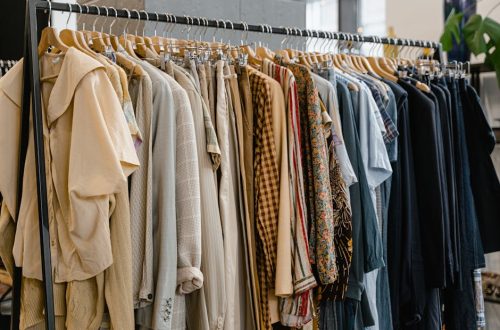
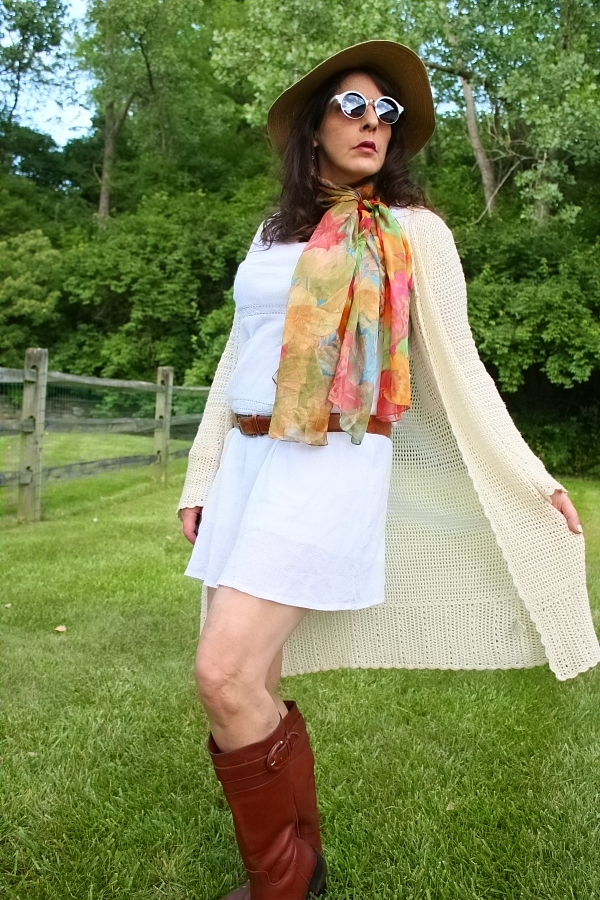
Here is the misconception costing people real money: “creamy white” and “off-white” are the same color. They are not. Neither are “ivory,” “natural,” “ecru,” or “eggshell” — terms brands use interchangeably on tags and product listings while selling completely different shades. Buying the wrong version of cream is why a $90 blazer looks dingy next to someone else’s clean-looking outfit, even though both people are technically wearing “white.”
Creamy White vs. Pure White vs. Ivory: What the Labels Actually Mean
No fashion brand uses a standardized color system for white variants. Zara calls the same undertone range three different names depending on the season. Uniqlo uses “natural” for items that land anywhere from warm cream to true ivory. Understanding the actual differences — not the marketing names — is the only way to build outfits that hold together.
| Shade | Undertone | Works Best On | Avoid Pairing With | Price Reference |
|---|---|---|---|---|
| Creamy White | Warm yellow-beige | Medium to deep skin; olive tones | Stark white, cool grey, icy blue | Toteme Cream Denim Jacket ($350) |
| Pure White | Neutral — no undertone | All skin tones | Nothing — most versatile | Uniqlo HEATTECH ($15–$25) |
| Ivory | Cool-to-neutral, faint yellow | Fair to medium skin | Warm camel, chocolate brown | COS Tailored Trousers in Ivory ($130) |
| Off-White | Subtle warm or grey undertone | Most skin tones | Bright cool whites | Arket Knits ($80–$120) |
| Ecru | Warm grey-beige | Warm and neutral skin tones | Cool-toned pinks, lavender | & Other Stories ($45–$85) |
Why “Warm White” Is a Marketing Term, Not a Color Standard
Brands use “warm white” because it sells softness and elevation without committing to a measurable color. Two products described as “warm white” on the same brand’s website can differ by 40% in yellow saturation. The only reliable check: view the fabric swatch under natural daylight before buying. Studio photography is calibrated to make warm tones appear cooler and cleaner than they actually are — a cream item that reads almost-white on screen frequently arrives noticeably warm, sometimes visibly yellow, in real daylight.
Customer reviews are underused for this. Look specifically for people who mention “warmer than expected” or “more yellow in person” — those comments are more useful than fit feedback.
The Cheap Fabric Problem
Creamy white in polyester blends degrades unevenly over time. White color in synthetic fabric comes primarily from optical brighteners — chemical compounds that break down under UV exposure and repeated washing. A $19 cream top looks fine in the store. Fifteen washes later, it looks yellowed and inconsistent because the underlying fiber was never truly white to begin with.
Natural fibers hold warm white tones more consistently. Supima cotton, merino wool, and linen are the reliable categories. Uniqlo’s Supima Cotton line ($30–$50) is the cheapest credible entry point for color-stable cream basics. Arket’s cotton-modal blends ($60–$90) are the step up in color depth and texture.
Bottom Line: Creamy white, ivory, and off-white are distinct shades with different undertones that affect both skin compatibility and outfit pairing. Knowing the difference before buying is worth more than any styling rule.
How to Wear Creamy White Without the Outfit Looking Accidental
Head-to-toe cream is a legitimate, frequently photographed approach. It is also the one most people abandon after one failed attempt because the result looked like a laundry pile rather than an intentional look.
The failure mode is almost always identical: multiple cream pieces with slightly different undertones, no texture variation, and nothing to anchor the eye. The outfit reads as absence of decision rather than deliberate choice.
The Texture Variation Rule
Same color, different surfaces. That is the entire formula. Cream-on-cream works when you are mixing matte against sheen, chunky knit against smooth tailoring, or structured suiting against fluid drape. The visual interest that color contrast normally provides gets replaced by surface contrast instead.
Combinations that work in practice:
- Arket Merino Roll-Neck ($100) layered over COS Wide-Leg Tailored Trousers ($130) — ribbed knit against clean suiting
- Uniqlo Premium Linen Shirt ($50) tucked into Reformation Cece Jeans in Cream ($128) — matte linen against the slight texture of denim
- Cream satin slip dress under an oversized structured blazer — soft drape against rigid construction
Fit and silhouette still do most of the work. Two poorly fitting cream pieces with different textures still look like a mistake. Texture variation amplifies good silhouette; it cannot rescue a bad one.
Colors That Work — And the Ones That Destroy Cream
Creamy white has a warm undertone. It pairs cleanly with other warm tones. Camel is the strongest pairing — a cream knit with camel trousers works in almost any context. Chocolate brown, tan, olive green, rust, and dusty rose all sit in the same warm palette and integrate without visual conflict.
The colors that actively damage a cream outfit: stark white (makes cream look unwashed by comparison), cool grey (undertone collision), icy blue, lavender, and silver. These cool tones make the warmth in cream read as yellowing rather than intentional color selection.
Black is the exception. Black with creamy white creates slightly softer contrast than black with pure white — the warmth in cream reduces the harshness. It does not look clinical the way bright white-and-black sometimes does.
Skin Tone Reality
Fair skin with pink or cool undertones is the hardest combination for creamy white worn near the face. The warm yellow in cream can read as sallow or tired against cool-fair skin. The fix: wear cream as trousers, skirts, or outerwear rather than as tops or scarves. Add warm-metal accessories — gold jewelry, a camel bag — to pull the color toward its warm range rather than its yellow range.
Medium to deep skin tones, particularly with warm or neutral undertones, wear creamy white cleanly. The contrast between warm skin and warm-white fabric creates a rich, considered look. This is the skin tone combination where head-to-toe cream photographs best.
Bottom Line: Cream-on-cream requires texture variation to look intentional. The two colors that most reliably damage a cream outfit are stark white and cool grey. If cream near your face consistently looks off, move it below the waist and add a warm-metal accessory to shift the balance.
5 Creamy White Pieces That Actually Hold Up
This is not financial advice — these are purchase observations based on fabric composition, brand color consistency, and realistic cost-per-wear. Cheap cream is nearly always a poor transaction. Here is what holds its color and justifies the price over time.
- Uniqlo Supima Cotton Crew-Neck Sweater in “Natural” — $40
Supima cotton has a longer fiber length than standard cotton, which delivers better shape retention and more consistent color through repeated washing. The “natural” colorway lands in true creamy white — warm but not visibly yellow. Machine washable, preshrunk. At $40, the cost-per-wear against a $19 synthetic alternative breaks even around the sixth wear and improves from there. - Arket Merino Roll-Neck in Off-White — $120
Arket’s “off-white” runs warm in person — closer to creamy white than the product photography implies. Mid-weight merino, not the paper-thin version common at lower price points. The roll-neck adds enough structure to read as deliberate rather than basic. Dry-clean only, which adds approximately $8–12 per cleaning cycle to running cost — factor that into the real price if you plan to wear it often.
Tip: When buying cream knitwear online, filter customer reviews by photos and look specifically for images taken outdoors in natural light. These are the most accurate representation of actual shade — studio-lit or warm-filter home photos are nearly useless for evaluating cream tones.
- COS Wide-Leg Tailored Trousers in Cream — $130
COS produces consistent color across production batches, which is a genuine differentiator at this price. The tailored cut sits at the natural waist with clean front pleats, and the wool blend resists wrinkling better than pure cotton equivalents. This is the cream trouser benchmark in the $100–$150 range — reliable enough to use as a foundation piece rather than a trend buy. - & Other Stories Fluid Wide-Leg Pants in Cream — $65
The viscose blend drapes significantly better than & Other Stories’ cotton equivalent at the same price. The cream here runs slightly cooler — closer to ivory — which makes it a better pairing with navy and muted neutrals than with camel or rust. Note: & Other Stories product photography varies by item category. Check the “off-white” and “ivory” listings side by side before ordering to confirm which shade you are actually getting.
Tip: Cream trousers and light-colored bottoms show lint and pet hair more visibly than any other color in this range. A quality lint roller ($12–$18) is a non-optional accessory cost — budget it into the purchase price from the start.
- Toteme Original Denim Jacket in Cream — $350
Expensive for a denim jacket. The justification: Toteme’s cream denim is a specific, internally consistent color — warm, muted, and stable across 30+ washes where lower-priced cream denim fades unevenly and develops patchy yellow areas. If the actual choice is between this at $350 versus buying and discarding four $85 cream denim jackets over the same period, the math eventually converges. Not a first-season purchase. Buy this after you have confirmed that cream outerwear works in your existing wardrobe.
Tip: Wash any new cream piece separately for the first three cycles to manage dye settling. This applies to premium brands as well — dye migration during initial washes is a fabric chemistry issue, not a sign of poor quality. A light color bleed in the first wash is normal; persistent bleed after the third wash is a quality problem.
Bottom Line: For reliable cream under $50: Uniqlo Supima Cotton. Mid-range cream worth the price: COS ($130) and & Other Stories ($65). Investment outerwear: Toteme ($350) if you will wear it more than 80 times. Avoid synthetic-heavy cream under $30 for anything you plan to wear regularly — color degradation typically begins within 3–6 months of normal use.
When Creamy White Is Simply the Wrong Choice
Skip cream in workplaces where warm whites read as “not clean” rather than stylish — some environments interpret the warmth as a dress code failure. Skip it if your existing wardrobe is built around cool neutrals like slate grey, true white, and icy blue — cream will not integrate, it will just look like a purchasing error. And skip any cream piece for high-mess contexts. Cream shows oil, food, and ink faster than grey or navy, and stains set harder in natural fibers than in synthetic ones.
Why Cream Outfits Go Wrong — Specific Answers
Why Does Creamy White Turn Yellow After Washing?
Two separate causes. First: cheap optical brighteners in low-quality white fabric break down under UV exposure and repeated washing, revealing the unbleached yellow of the underlying fiber. Second: using whitening or “color-brightening” detergents on cream fabric — these strip the warm tone unevenly, accelerating yellowing instead of preventing it.
Prevention is straightforward. Wash cream pieces cold, inside out, using a color-protective detergent. Woolite’s original formula works. Avoid optical brightener detergents on any warm-toned fabric. Air-dry rather than tumble-drying on high heat — heat accelerates color breakdown in natural fibers faster than washing does.
Why Does a Cream Outfit Look Unfinished?
Warmth without contrast reads as absence of decision. A cream top, cream trousers, beige shoes, and no other element gives the eye nowhere specific to go. The outfit communicates nothing except that the wearer owns multiple cream items.
The fix is a single deliberate contrast anchor — a dark bag, a shoe in a clearly different tone, or one non-cream accessory that defines the look. Reformation and Toteme make all-cream look intentional because precise cuts create the focal point through silhouette. A generic cream dress from a fast retailer does not have that structural clarity — without it, color contrast has to do the work instead.
Why Doesn’t the Cream I Ordered Match the Website Photo?
Product photography is calibrated to flatter. Studio lighting makes warm tones appear cooler and cleaner than they are under natural daylight. A cream that reads almost-white on a product listing frequently arrives noticeably warm in person — occasionally visibly yellow.
Brands with relatively accurate color photography: COS and Arket photograph close to actual product shade. Brands with a consistent warm-skew in product images: Zara. & Other Stories varies by category — their knitwear photography tends to be more accurate than their woven bottoms. The most reliable pre-purchase check is always customer photos in reviews taken outdoors. Those are unedited daylight shots that reveal the actual shade better than any product image.
Bottom Line: Yellow-after-washing is a fabric quality or detergent error — not inevitable. Unfinished-looking cream outfits need one contrast anchor. Color mismatch between website and product is a photography problem — customer outdoor photos solve it before purchase.
Quick reference — creamy white by use case and budget:
- Best under $50 (everyday basics, high-frequency wear): Uniqlo Supima Cotton — most reliable color stability at this price
- Best $50–$130 (seasonal knitwear, trousers, layering pieces): COS, Arket, & Other Stories — better fabric weights and more accurate cream tones
- Best over $130 (investment outerwear, key wardrobe pieces): Toteme — consistent color across 50+ wears, worth the calculation if outerwear is a long-term hold
- Skip: Synthetic-heavy cream under $30 for any piece worn regularly — color degradation timeline is 3–6 months
- Skip entirely if: Your wardrobe is built on cool neutrals, or your workplace interprets warm whites as non-compliant