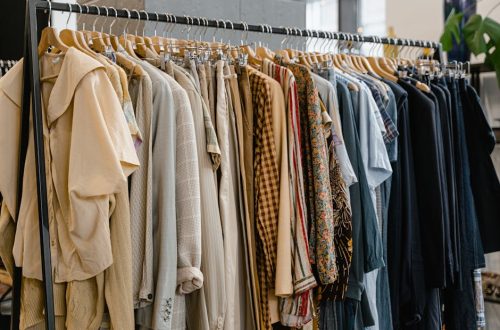
You open your closet and nothing feels right. The jeans from three years ago sit unworn. The blazer you loved doesn’t fit the same way. There are 40 items in there, and you have nothing to wear.
This is the fashion break hangover. It hits after pregnancy. After a remote-work stretch where sweatpants became a uniform. After grief, illness, or just life moving faster than your closet did. At some point, you stopped caring about clothes — and now you want back in.
Getting back doesn’t mean buying everything at once. It means being strategic. Here’s how to do it without wasting money or time.
Why Wardrobes Fall Apart — and Why It’s Not Your Fault
Most wardrobes fail gradually, not suddenly. You keep one pair of jeans that still fits. Then a comfortable top. Then a rotation of maybe eight items you reach for every day while the rest gathers dust.
This happens for a few compounding reasons. Bodies change — and most people don’t update their wardrobes to match. A 2026 McKinsey report found that the average person regularly wears only 30–40% of what’s in their closet. The rest? Aspirational purchases, old sizes, or items bought for occasions that never came.
Life transitions hit especially hard. A job change can make an entire professional wardrobe irrelevant overnight. Moving cities changes your social context — what felt stylish in one place lands as overdressed or underdressed somewhere new. Post-pregnancy bodies shift in proportion and shape, not just size, which means even clothes in the right number can fit strangely.
There’s also the trend gap. Fashion moves fast. After even a year away, you come back and the silhouettes have shifted. Skinny jeans that felt modern feel dated. Baggy fits that looked sloppy in 2026 dominate in 2026. Trying to reverse-engineer what’s current from scratch is exhausting — and that exhaustion is often why people give up and keep wearing the same five things.
The Psychological Weight of a Mismatched Wardrobe
Clothes are tied to identity. When your wardrobe doesn’t reflect who you are now — because of a body change, a life change, or just time passing — getting dressed becomes a source of friction instead of a ritual. You feel off before the day even starts.
That’s worth naming because it explains why the fix isn’t just “buy new stuff.” You need to rebuild alignment between who you are right now and what you wear. That’s a clearer goal than “dress better” — and it points you toward different decisions.
The Hidden Cost of Keeping Wrong-Fit Clothes
Holding onto clothes that don’t fit creates decision fatigue every morning. You scan past them, feel the vague guilt, and reach for the same five things anyway. Clearing them out isn’t giving up — it’s making room for what actually works. Sell on Depop or ThredUp, donate locally, or pass them on to someone who’ll actually wear them. The empty space is a feature, not a loss.
The Wardrobe Audit You Should Do Before Spending Anything
Before spending a single dollar on new clothes, spend two hours on this process. It sounds tedious. It’s the most useful thing you can do — because it builds a shopping list grounded in reality instead of guesswork.
- Pull everything out. Not just the visible stuff — the back of the closet, the storage boxes, the bins under the bed. You need to see the full picture at once.
- Try on every single item. Not from memory. Actually put it on, look in a full-length mirror, and move around in it. Does it fit? Does it feel good? Does it work for your current life — not the life you had three years ago?
- Sort into three piles: Keep (fits, works, feels good right now), Donate or Sell (functional but no longer yours), Trash (worn out, damaged, beyond repair).
- Identify the gaps. After keeping only what actually works, what’s missing? Write it down specifically. Not “need more tops” — that’s too vague to act on. Instead: “no casual linen button-down,” “no comfortable flat that goes with dresses,” “no dark-wash jeans that aren’t too tight in the thigh.”
- Map it against your actual life. How many days per week do you work in an office? Go to the gym? Need something for dinner out or weekend errands? Let your real Tuesday drive your purchases, not the ideal Tuesday you imagine having.
Most people skip this step and end up buying things that duplicate what they already own or fill a need that doesn’t actually exist in their daily routine. The audit prevents both.
One Question That Cuts Through Every Borderline Item
For anything you’re unsure about, ask this: “Would I buy this again today, at full price, knowing what I know now?” If the answer is anything other than a clear yes, it goes. This cuts through the sentimental reasoning that keeps clothes in rotation long past their useful life.
Ten Pieces That Anchor a Comeback Wardrobe
This isn’t a minimalist capsule wardrobe in the Instagram aesthetic sense. These are functional pieces that let you get dressed fast and feel put-together while you rebuild. Buy them over two or three months, not all at once.
- One pair of straight-leg or wide-leg jeans in a mid or dark wash. The Madewell Perfect Vintage Straight Jean (~$128) fits a wide range of body types and holds its shape after washing. Skip anything with excessive distressing — it ages out faster.
- A crewneck in cashmere or cashmere blend. Everlane’s Cashmere Crew starts at $145 and comes in 20+ colors. It works over a bra, under a blazer, or alone. Wash on delicate and it lasts years.
- A white or off-white button-down. COS makes a boxy-cut linen version (~$89) that doesn’t wrinkle as aggressively as standard cotton. Wear open over a tank or tucked into trousers.
- Tailored trousers in black or charcoal. Banana Republic’s Sloan Trouser (~$120 on sale) runs in a generous size range and reads professional or relaxed depending on what you pair it with.
- A clean white or black sneaker. Veja Esplar ($150) or New Balance 574 ($90). Not trend-forward, just clean. They go with 80% of casual outfits without trying.
- A structured everyday bag. The Madewell Transport Tote ($168) fits a laptop, is water-resistant, and doesn’t look like a work bag. Polène’s Numéro Un Nano ($250) works for lighter days when you want something more refined.
- A simple dress or midi skirt you can grab when you don’t want to think. Reformation’s Nadia Dress ($248) or anything from & Other Stories with an unfussy silhouette.
- A blazer that fits your current shoulders. Shoulder fit is non-negotiable — everything else can be tailored cheaply. Zara regularly has options that photograph expensively for under $100.
- A comfortable loafer or flat. Sam Edelman’s Penny Loafer (~$120) is the clearest value in this category. Comfortable from the first wear, pairs with jeans and trousers equally.
- One quality layering piece. A longline cardigan, denim jacket, or trench. Uniqlo’s Blocktech Trench (~$130) is waterproof, packable, and doesn’t look like outdoor gear.
Where to Shop When Rebuilding: A Direct Comparison
Not all stores are equally useful for wardrobe rebuilds. The best choice depends on what you need most — budget, size range, or quality-per-dollar.
| Store | Best For | Price Range | Size Range | Verdict |
|---|---|---|---|---|
| Everlane | Quality basics, transparent pricing | $45–$200 | XS–2X | Best cashmere and denim quality at mid-range prices |
| Madewell | Denim, bags, casual everyday | $50–$250 | XXS–3X | Best jeans fit for most body types |
| Uniqlo | Affordable basics, layering pieces | $15–$130 | XS–4XL | Best value for foundational wardrobe pieces |
| Universal Standard | Extended sizing, consistent quality | $60–$300 | 00–40 | Best option for sizes above 16 |
| COS | Minimal, architectural silhouettes | $60–$350 | XS–XL | Best elevated basics and linen |
| Zara | Trend-adjacent, fast turnover | $20–$200 | XS–XXL | Good for one-season pieces like blazers |
| ThredUp / Depop | Secondhand, budget stretching | $5–$100+ | Varies widely | Best for brand names at 60–80% off retail |
With a limited budget, start with Uniqlo for basics and use ThredUp to find higher-quality brands at steep discounts. Two hundred dollars split between both will get you further than the same amount spent at a mid-range department store — and with less buyer’s remorse.
The Mistake That Kills Most Fashion Comebacks
Buying for the person you used to be — or the person you want to become — instead of who you are right now.
If you haven’t worn heels in two years, don’t buy them because you think you should. If you work from home four days a week, don’t anchor your wardrobe around office attire. Dress for your actual Tuesday. The aspirational wardrobe always ends up unworn.
Trends Worth Adopting vs. Trends Worth Skipping
Should I follow 2026 trends when rebuilding?
Partially. Trends affect silhouette, color, and proportion — and dressing in a completely outdated silhouette signals effort, just not the good kind. But chasing trends while rebuilding is expensive and short-sighted.
The smart approach: adopt trends at the silhouette level, skip them at the statement-piece level. If wide-leg trousers are the dominant shape, buy a solid-color pair that will work across seasons. If oversized blazers are everywhere, size up slightly on your next blazer purchase. These adjustments keep your wardrobe current without things dating out in twelve months.
Which trends to skip entirely right now
Anything that only works in one specific context. Extremely logo-heavy pieces. Micro-trends that peaked on TikTok three months ago and are already looking overexposed. Items that require a very specific body proportion to work. These are exactly the clothes that cost real money and sit unworn — the pattern you’re trying to break.
Which trends have actual staying power in 2026
Three trends have enough runway left to justify buying into: relaxed tailoring (wide-leg trousers, oversized blazers in structured fabrics), quiet luxury palettes (chocolate brown, off-white, burgundy, camel — these replaced black as the dominant neutral cycle), and loafers as a primary shoe. These aren’t flash-in-the-pan TikTok trends. They’ve been building for three-plus years and have replaced the previous decade’s athleisure-dominant aesthetic in mainstream fashion. Buying into them in 2026 still gives you two to three solid years of relevance.
A Fashion Comeback Is a Confidence Project, Not a Shopping Trip
Style confidence comes from a wardrobe that fits and works — not from owning more.
The clearest sign that your comeback is working isn’t a full closet. It’s getting dressed in under five minutes without frustration. It’s reaching for something and actually feeling good in it. It’s having a consistent aesthetic — a look that’s recognizably yours — without having to think too hard about it.
That takes time. Expect two to three months of intentional buying before the wardrobe clicks into place. You’ll make some mistakes along the way — a trend piece that dates fast, a size that doesn’t work as expected, a shade of beige that looks great in-store and muddy at home. That’s normal. The audit process catches them before they accumulate.
For the fastest path back: start with Uniqlo basics and one pair of jeans from Madewell. Get those two anchors right, and everything else gets easier to build around. Add one quality item per month rather than shopping in occasional big hauls. By month three, getting dressed stops being a problem and starts being something you might even enjoy again.