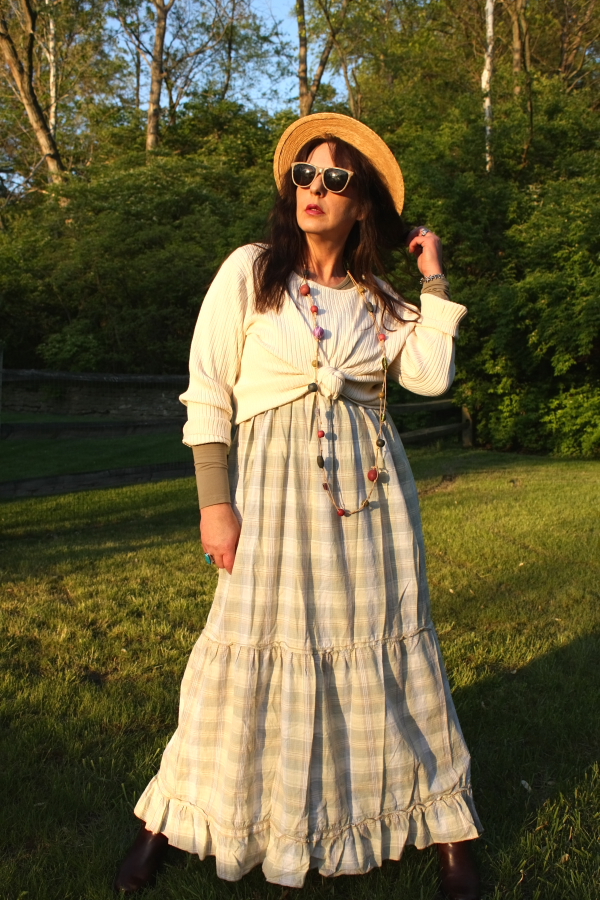
Most people hear “Dream Big, Dream to the Left” and think it’s just another Instagram caption. A nice phrase you put under a photo of yourself in a good coat. But it’s not a slogan. It’s a specific fashion philosophy with a clear, actionable rule.
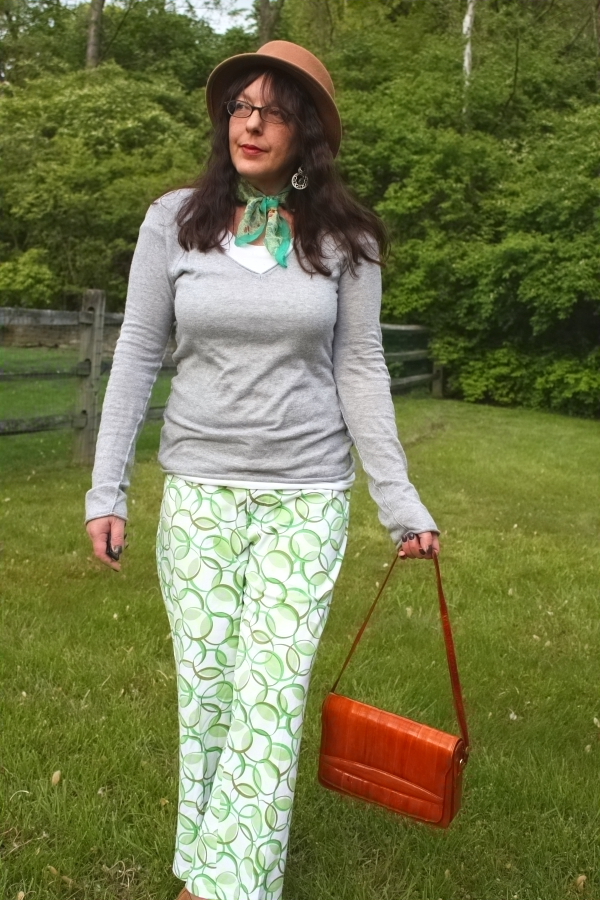
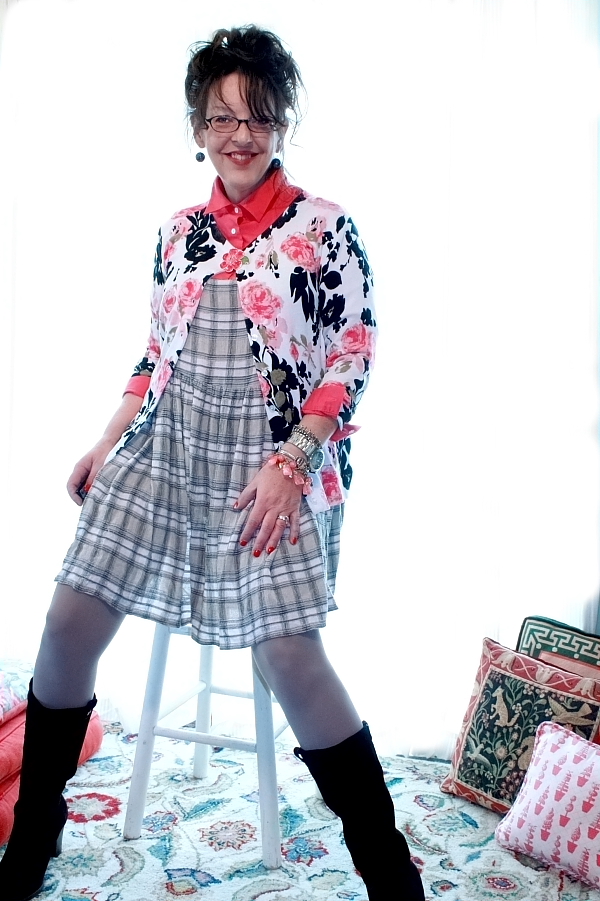
The phrase comes from the idea that most people dress for the center — safe, expected, blend-in clothes. “Dreaming to the left” means choosing the version of an outfit that is slightly off-center. The unexpected color. The asymmetrical cut. The piece that makes someone pause and ask “why does that work?”
This article breaks down exactly how that philosophy works in practice. No fluff. Just the steps, the mistakes to avoid, and the specific choices that separate a memorable outfit from a forgettable one.
Why Most People Dress for the Center (and Why That’s a Problem)
Walk into any H&M or Zara on a Saturday afternoon. You’ll see the same silhouette repeated fifty times: straight-leg jeans, a white tee, and a black blazer. It’s not bad. But it’s not memorable either.
Dressing for the center is a safety mechanism. Your brain tells you that if you look like everyone else, you won’t stand out in a negative way. The problem is you also won’t stand out in any way. You become invisible.
Here’s the core failure mode: People buy clothes that are “fine” instead of clothes that are “intentional.” A beige trench coat is fine. A beige trench coat with oversized lapels and a dropped shoulder seam? That’s intentional. That’s dreaming to the left.
The fix is not to wear neon head-to-toe. That’s just dressing to the right — loud, chaotic, untargeted. The left is precision. It’s one deliberate choice that shifts the whole outfit.
The Three Signals of Center Dressing
- Zero texture variation: All cotton, all smooth, all flat. No corduroy, no satin, no knit contrast.
- Neutral color only: Black, white, gray, navy. Nothing warm, nothing saturated.
- Standard proportions: Hemlines hit exactly where expected. Shoulders sit exactly on the shoulder bone. Nothing cropped, nothing elongated.
If your wardrobe checks all three boxes, you’re dressing for the center. The fix is simple: pick one of the three and break it.
The Exact Rule: One Left-Shift Per Outfit
This is the only rule you need to remember. One left-shift per outfit. Not three. Not zero. One.
A left-shift is any element that deviates from the expected version of that garment. Here’s a list of concrete examples:
- A white button-up shirt with a sculpted collar instead of a standard point collar
- Black trousers that have a subtle pinstripe in a contrasting color like burgundy
- A leather jacket in forest green instead of black or brown
- Loafer-style shoes but in a chunky platform sole instead of a flat one
- A plain gray sweater that has an exposed seam on the shoulder
The trap people fall into: They try to do two or three left-shifts at once. Suddenly the outfit looks costume-y. The brain registers “too much” and rejects it. One shift reads as intentional. Three reads as confused.
This is not a theory. This is how fashion editors at Vogue and GQ actually build looks. They start with a completely standard base — say, a navy suit, white shirt, brown shoes — and then swap exactly one thing. The tie is replaced with a silk scarf. Or the suit jacket is replaced with a chore coat in the same navy. One change. That’s it.
How to Identify Your Left-Shift Options
Take any outfit you already own. Write down each piece. For each piece, ask: “What is the most expected version of this?” Then pick exactly one piece and change one thing about it. The collar. The color. The fabric. The length. The fastening. That’s your left-shift.
The Three Dimensions You Can Shift: Color, Cut, and Texture
There are only three levers you can pull. Memorize them.
Color: This is the easiest and most visible shift. Instead of black trousers, try charcoal with a purple undertone. Instead of a white tee, try off-white with a yellow cast. Instead of navy, try ink blue. The shift is subtle enough that most people won’t name it, but they’ll feel it.
Cut: This is about proportion. A standard blazer ends at the hip. A left-shift blazer ends at the mid-thigh or crops at the waist. Standard jeans are straight. Left-shift jeans are either very wide or very tapered. Standard dresses hit at the knee. Left-shift dresses hit at the calf or the upper thigh.
Texture: This is the most overlooked lever. A standard black dress is in cotton jersey. A left-shift black dress is in ribbed knit with a matte finish. A standard wool coat is smooth worsted wool. A left-shift wool coat is in bouclé or herringbone tweed. Texture adds visual weight without adding visual noise.
| Dimension | Center Example | Left-Shift Example |
|---|---|---|
| Color | Black wool trousers | Black wool trousers with a faint charcoal herringbone |
| Cut | Standard crewneck sweater | Crewneck sweater with a dropped shoulder and wider sleeve |
| Texture | Smooth cotton poplin shirt | Cotton poplin shirt with a seersucker weave |
If you can only remember one thing, remember texture. It’s the least obvious to the wearer and the most noticeable to the observer.
When NOT to Dream to the Left
This philosophy has limits. Knowing them saves you from looking like you’re trying too hard.
Do not left-shift in formal situations with a strict dress code. A black-tie event requires a black tuxedo. A left-shift to a midnight blue tuxedo with satin lapels is acceptable. A left-shift to a burgundy velvet tuxedo is not. Read the room.
Do not left-shift when the base outfit is already loud. If you’re wearing a bright red coat, don’t also add asymmetrical trousers and textured boots. The red coat is already your left-shift. Let it stand alone.
Do not left-shift for the sake of it. The goal is not to be different. The goal is to be intentional. If a standard black blazer is the best choice for your body shape and the occasion, wear it. The left-shift mindset is a tool, not a rule you must obey every day.
Common mistake: People left-shift their entire wardrobe at once. They buy a sculpted collar shirt, wide-leg trousers, platform loafers, and a textured coat in the same shopping trip. The result is a closet full of pieces that only work together in one specific way. You lose versatility. Start with one piece — a single left-shift item — and build your outfits around it.
How to Shop for Left-Shift Pieces Without Wasting Money
Most people buy left-shift pieces by accident. They see a cool jacket in a store, buy it, bring it home, and realize they have nothing to wear it with. Then it hangs in the closet for two years.
Here’s the exact process to avoid that.
Step 1: Audit your center pieces. List the five most boring, basic items you own and wear often. A white tee. A blue button-up. A gray sweater. Black jeans. A beige trench. These are your anchors.
Step 2: Identify the gap. For each anchor, ask: what is the one left-shift piece that would make this outfit interesting? For the gray sweater, maybe it’s a pair of trousers in a rust color. For the black jeans, maybe it’s a leather jacket in olive. Write it down.
Step 3: Buy exactly that one piece. Do not buy two. Do not buy a “bundle.” Buy the single piece that fills the gap. Then wear it with the anchor item for two weeks before considering another purchase.
This prevents the mistake of buying a left-shift piece that doesn’t match anything. It also forces you to actually wear the new piece instead of letting it sit in the closet.
Budget Allocation for a Left-Shift Wardrobe
- 70% of your budget: high-quality center pieces that fit perfectly (white tees, blue jeans, black trousers, gray sweaters)
- 30% of your budget: one or two high-impact left-shift pieces per season (a textured blazer, a colored coat, an unusual shoe)
This ratio keeps your wardrobe functional while still allowing for personality. Most people have it reversed — they spend 70% on trendy, unusual pieces and 30% on basics. That’s why their closet feels chaotic.
The Psychological Shift: Dressing for Yourself vs. Dressing for Approval
Here’s the part that nobody talks about. Dreaming to the left is uncomfortable at first.
When you wear a standard outfit, you get zero feedback. Nobody comments. That feels safe. When you wear a left-shift outfit, you get reactions. Someone might say “I love that jacket” or they might say nothing and just look at you longer than usual. Both feel weird.
The uncomfortable truth: Most people dress for the center because they cannot tolerate the uncertainty of standing out. They’d rather be invisible than risk a negative reaction. This is not a style problem. It’s a confidence problem.
The fix is to start small. Wear a left-shift piece to a low-stakes environment. A coffee shop. A walk in the park. A casual lunch with a friend. Notice that nothing bad happens. The world does not end. You look slightly more interesting than everyone else, and that’s fine.
Over time, your tolerance for the discomfort increases. You start to crave the feeling of wearing something that feels slightly “off” in a good way. That’s when you’ve internalized the philosophy.
The skeptic’s objection: “But won’t people think I’m trying too hard?” No. People think you’re trying too hard when the outfit looks like it took two hours to assemble. One left-shift piece reads as effortless. It reads as confidence. The difference is in the execution, not the intention.
Three Real Outfits That Demonstrate the Philosophy
These are not theoretical. These are outfits you can build with pieces from COS, Uniqlo, and Massimo Dutti — brands that are widely available and reasonably priced.
Outfit 1: The Office Left-Shift
Base: Navy wool trousers ($80, Uniqlo), white cotton button-up ($40, COS), brown leather belt ($50, Massimo Dutti).
Left-shift: A black knit blazer instead of a structured wool blazer ($120, COS). The knit texture softens the formality of the outfit without making it casual. The shift is in texture only. Color and cut remain standard.
Outfit 2: The Weekend Left-Shift
Base: Light wash straight-leg jeans ($60, Uniqlo), white crewneck sweatshirt ($35, Uniqlo), white leather sneakers ($70, Veja).
Left-shift: A brown suede chore coat instead of a denim jacket or hoodie ($150, COS). The suede texture and the military-inspired cut shift the outfit from “basic weekend” to “intentional weekend.”
Outfit 3: The Evening Left-Shift
Base: Black cigarette trousers ($70, Massimo Dutti), black silk camisole ($50, COS), black pointed flats ($60, & Other Stories).
Left-shift: A cream wool coat with exaggerated lapels instead of a standard black or camel coat ($200, COS). The coat becomes the focal point. The rest of the outfit fades into a neutral backdrop. One piece does all the work.
Notice a pattern? All three outfits use the same base structure: neutral, fitted, expected. Then one piece breaks the pattern. That’s the formula. Memorize it.
The single most important takeaway: Dreaming to the left is not about being loud or unusual — it’s about making one deliberate, specific choice per outfit that shifts the whole thing from forgettable to intentional.