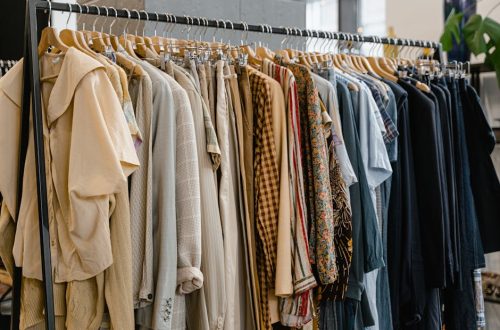

The biggest misconception about sustainable fashion is that it starts with buying something. It doesn’t. The most sustainable item in your wardrobe is the one already hanging in your closet — worn in, broken in, not needing a factory, a shipping container, or a landfill timeline to exist.
That said, every wardrobe eventually needs replenishing. And when it does, the gap between genuinely green choices and expensive marketing is enormous. Brands selling “Conscious Collections” and “Join Life” labels are still fast fashion companies with fast fashion supply chains. The certification stamp on the hangtag can mean very little if nobody audited what’s behind it.
This guide covers which certifications are worth trusting, which brands have actually done the work, how to use secondhand markets effectively, and how to transition without discarding what you already own.
Which Certifications Actually Mean Something — and Which Are Noise
H&M launched its Conscious Collection over a decade ago. Zara has been running Join Life for years. Mango has Committed. These collections exist because consumer research shows that green labels lift purchase intent — not because the supply chains were redesigned. The label is the point, not the substance.
Real sustainability certification requires external auditing. Third-party verification of specific claims about specific factories and farms. Here’s what that looks like in practice, and why the distinctions matter:
GOTS: The Most Rigorous Textile Standard Available
The Global Organic Textile Standard (GOTS) requires at minimum 70% certified organic fiber content and covers the entire production chain — farming, spinning, dyeing, finishing, and labor conditions. Every step is audited, not just the raw material being dropped into a machine.
Critically, GOTS certificates are publicly searchable. Any brand claiming GOTS status should be able to provide a certificate number you can verify at the GOTS global database. “Made with organic cotton” without a traceable certificate is an unverified marketing claim and nothing more. This distinction alone eliminates most of what retail calls “eco fashion.”
Oeko-Tex Standard 100: A Health Certification, Not a Sustainability One
Oeko-Tex Standard 100 tests finished fabric for harmful substances — formaldehyde, heavy metals, certain azo dyes known to cause allergic reactions. A genuinely useful signal that a garment won’t irritate your skin. Not remotely a signal about whether the supply chain is sustainable.
It says nothing about pesticide use on the cotton farm, water discharged by the dye house, carbon emissions from freight, or whether any worker in the production chain was paid fairly. Brands that lead with Oeko-Tex as their primary environmental credential are telling you something by omission. Be skeptical.
B Corp and Bluesign: Company-Level vs. Factory-Level Standards
B Corp certification, administered by the nonprofit B Lab, assesses an entire company — worker treatment, governance, community impact, environmental practices. A brand can earn B Corp status even with weaknesses in specific areas, so it’s not a perfect signal. But it means external reviewers actually examined how the company operates, not just what it claims in a press release.
Bluesign operates at the factory level. When a product’s fabric is Bluesign-approved, the mill that made that specific fabric met defined requirements for chemical safety, wastewater management, energy efficiency, and worker protection inside the facility. That’s supply chain specificity that brand-level certifications rarely achieve on their own.
The practical shortcut: look for GOTS or Bluesign on the product label, and B Corp on the company. When both are present, someone external has verified specific claims — not just reviewed the brand’s own reporting.
The One Principle That Beats Every Sustainable Brand Decision
Buy less. Full stop. Nothing else in sustainable fashion comes close to this in terms of actual impact.
Every new garment — including GOTS-certified organic cotton from a B Corp brand — requires water, energy, labor, and freight to produce. The only genuinely zero-impact garment is one that already exists. Secondhand markets have matured to the point where nearly any category is available at 40–80% below retail, including pieces from legitimately sustainable brands.
The environmental math is stark: the fashion industry produces an estimated 92 million tons of textile waste annually. Buying secondhand doesn’t eliminate that existing waste, but it does remove demand from the new production pipeline. Every secondhand purchase you make is one fewer production run that needs to happen.
Before any new purchase, search secondhand first. Make it the default, not the fallback. If you find what you need there, the entire question of certifications and brand ethics becomes secondary — the garment already exists, and buying it secondhand doesn’t fund another production run. This sequencing matters more than any individual brand choice within the “sustainable new” category.
Sustainable Brands That Pass the Scrutiny Test
For everyday basics, Pact is the clearest recommendation at an accessible price. For outerwear built to last a decade, Patagonia. For footwear with a documented supply chain, Veja. For investment workwear with a serious take-back program, Eileen Fisher.
For Everyday Basics: Pact and Organic Basics
Pact carries GOTS certification across most of its product range and has Fair Trade Certified Sewing on key items — meaning workers who cut and sewed the garments received a Fair Trade Premium above their base wages, paid into a worker-controlled fund. A basic women’s crewneck tee is $25. A 3-pack of organic cotton underwear is $28. Not dramatically more expensive than mid-range conventional basics, and the supply chain is traceable in ways that H&M’s Conscious Collection simply is not.
Organic Basics, out of Copenhagen, covers similar territory — basics, underwear, and activewear. Their Silver+ fabric line is the standout: silver-threaded organic cotton that reduces bacterial odor between washes, which means washing less frequently and extending garment life. A Silver+ long-sleeve tee is $55. Shipping is carbon-neutral and all packaging is plastic-free. The brand also runs a transparency report you can read on their site.
For Outerwear: Patagonia
The Patagonia Better Sweater fleece jacket ($139) is made from 100% recycled polyester, Bluesign-approved, and repairable through Patagonia’s Worn Wear program — which repairs old gear for free or near cost. Used Better Sweaters show up regularly on Patagonia’s own Worn Wear marketplace for $55–80. Their Torrentshell 3L waterproof jacket ($179) carries Fair Trade Certified Sewn alongside Bluesign approval.
Patagonia publishes annual impact reports that acknowledge ongoing supply chain problems rather than obscuring them. That transparency is rare enough among large clothing brands that it’s worth weighting when you’re deciding where to spend on outerwear.
For Footwear: Veja
Veja sneakers are made in Brazil from wild Amazonian rubber and organic Fairtrade cotton. The brand is B Corp certified and publishes its full supplier list publicly, including which suppliers they’ve terminated and why. The V-10 leather sneaker is $190. Canvas versions start at $150 and break in faster than the leather.
One honest note: Veja runs narrow. Order half a size up if you’re between sizes. The tradeoff — a fully documented supply chain and secondhand value that holds well — is worth the sizing adjustment.
For premium workwear, Eileen Fisher uses GOTS-certified organic fibers across much of its collection and runs a take-back program called Renew that resells, repairs, or recycles returned garments. A basic turtleneck is $178. A blazer runs $398. High upfront cost, but pieces appear regularly on ThredUp and The RealReal for $80–130 in good condition. Same build quality. Fraction of the environmental cost of a new production run.
How to Transition Your Wardrobe Without Creating New Waste
Most sustainable fashion advice skips this entirely. It tells you what to buy next and ignores the wardrobe you already have. Here’s the actual process:
- Audit what you actually wear. Pull everything out. Sort by what you’ve reached for in the past three months. Keep those items. Everything else is your transition inventory — not trash, not ready for donation yet.
- Sell quality pieces before donating. Depop and Poshmark work for brand-name and vintage items. ThredUp’s Clean Out Kit handles volume — they mail you a bag, you fill it, they sort and list what’s sellable and recycle the rest. Donating fast fashion often means items are baled and exported as secondhand textile to West Africa or Southeast Asia, which has its own documented problems.
- Identify your real gaps — not wishlist gaps. After the audit, you know what you actually need. Not what a capsule wardrobe checklist says you should have. A specific layering weight. Underwear that’s past its useful life. That’s your actual shopping list.
- Search secondhand for every gap first. ThredUp for everyday basics and workwear. Depop for vintage and streetwear. Vestiaire Collective for authenticated designer pieces. Give it 48 hours. If you find what you need secondhand, buy it there.
- Buy new only when secondhand doesn’t work. Underwear and socks: Pact. Activewear: Organic Basics or Girlfriend Collective (recycled synthetics, sports bras from $38). Long-term outerwear: Patagonia. Everyday footwear: Veja.
- Extend the life of what you own. Cold water cycles. Air dry when possible. Learn one basic repair — closing a seam, replacing a button. A beeswax leather conditioner ($12) extends shoe life by years. These aren’t sacrifices. They’re the highest-leverage actions available in sustainable fashion.
The transition takes time — typically one full wardrobe cycle of 2–3 years, as items naturally reach end of life and get replaced differently. The goal isn’t a perfect wardrobe. It’s a better default: secondhand first, sustainable new second, fix before replace.
Sustainable vs. Fast Fashion: Real Numbers Side by Side
The upfront price gap is real. So is the lifespan difference. Here’s what the math looks like across common categories:
| Item | Fast Fashion Option | Sustainable Option | Price Gap | Lifespan Difference |
|---|---|---|---|---|
| Basic t-shirt | H&M Conscious ($12) | Pact GOTS tee ($25) | +$13 | ~6 months vs. 3+ years |
| Fleece jacket | Shein ($22) | Patagonia Better Sweater ($139) | +$117 | 1–2 seasons vs. 10+ years |
| Everyday sneakers | Zara ($49) | Veja V-10 canvas ($150) | +$101 | ~1 year vs. 4–6 years |
| Underwear (3-pack) | Primark ($6) | Pact organic cotton ($28) | +$22 | Under 1 year vs. 2–3 years |
| Work blazer | ASOS ($55) | Eileen Fisher ($398) | +$343 | 2–3 seasons vs. 10+ years |
The fleece jacket case is the clearest. A $22 Shein fleece pills fast, has no repair program, and no secondhand market. The Patagonia Better Sweater at $139 is repairable, resellable for $55–80 after years of use, and built from documented recycled polyester. The per-wear cost over a decade isn’t comparable.
The Eileen Fisher blazer requires more honesty. At $398, it only makes financial sense if you’ll wear it consistently for years. If that commitment isn’t certain, search ThredUp or The RealReal first. Eileen Fisher pieces show up regularly for $80–130 in excellent condition — same construction, same longevity, without funding a new production run.
That brings this back to where it started: the misconception that going green in fashion means buying the right things from the right brands. Real green fashion starts with the wardrobe already in your closet — wearing it longer, repairing it, selling it when it’s done rather than binning it, and defaulting to secondhand before anything new. When you do buy new, you now know which certifications have external teeth and which brands have actually submitted to scrutiny. That’s not a shopping list. It’s a different relationship with clothing altogether.