
The Closet Audit Nobody Wants to Do (But Everyone Needs)
Most people skip this step. They buy new clothes hoping new pieces will fix what’s wrong with the old ones. They don’t.
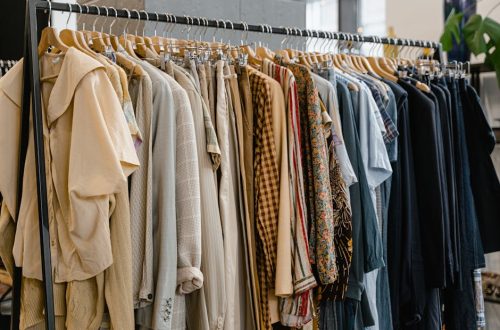
The audit comes first. Before you spend a dollar on anything new, pull everything out — physically — from your closet, drawers, and that chair in the corner. Lay it all on the bed. This is your wardrobe inventory, and it’s the only way to see your actual buying patterns rather than the idealized version you’ve constructed in your head.
What you’ll find: multiples of the same item in slightly different shades, aspirational pieces bought for a life you don’t actually live, basics in poor condition you keep reaching for out of habit, and things that fit badly but “might work with the right outfit.” You’ll also find the category that makes auditing genuinely uncomfortable: things you liked at some point but that no longer fit, either physically or stylistically. Those go too. Sentimental value doesn’t make something wearable.
The “Wear Again Tomorrow” Test
Hold each piece and ask one question: would I wear this again tomorrow if it was clean and pressed? Not “could I imagine an outfit” — that’s how aspirational clutter survives indefinitely. The question is whether you’d actually reach for it on a regular Tuesday.
If the answer takes longer than three seconds, it’s a no.
The 12-Month Rule, and When 6 Months Is Better
Standard advice: if you haven’t worn it in a year, donate it. For seasonal pieces — a heavy wool coat, a linen dress — you need the full 12 months before making a judgment. They only get worn a few months per year. But for casual everyday items like t-shirts, jeans, and shoes? Cut that to six months. Two complete seasons of daily dressing opportunities is enough data. If it hasn’t come off the hanger in that window, it isn’t part of your actual style.
The goal isn’t a smaller wardrobe for its own sake. It’s a wardrobe where you open the door and see things you want to wear. That clarity is what love-takes-work looks like at the foundation level.
What to Do With the Maybe Pile
Don’t keep it. The maybe pile is where clothes go to die slowly. If an item requires a mental negotiation to justify its place in your closet, it will require that same negotiation every single morning. Box it up, store it out of sight for 30 days. If you didn’t miss it, donate it. If you actively reached for something in that box, it earns its spot back — and now you know exactly why you kept it.
Three Foundational Pieces That Make Everything Else Work
Get these three right and the rest is details.
- A well-fitting dark wash jean. Levi’s 501 Original ($79.50) is the benchmark. Straight-leg, high-rise enough for most body types, available in true raw indigo. The fit is unforgiving — which is exactly the point. If it fits, it works with sneakers, boots, or loafers, dressed up or down. The Everlane Way-High Jean ($88) is the cleaner, more polished alternative if the 501’s worn-in silhouette isn’t your aesthetic.
- A white cotton oxford shirt. Not a dress shirt. An oxford. The fabric has enough texture to read casual but enough structure to wear untucked over trousers without looking sloppy. Uniqlo’s Oxford Slim-Fit shirt ($29.90) is genuinely excellent at that price — the collar holds shape, the fabric doesn’t pill after 20 washes, and the cut is narrow without being tight. Brooks Brothers makes the definitive version at $98 if you want something that outlasts most of your other purchases by a decade.
- A coat that fits your shoulders perfectly. Everything else can be tailored cheaply. Shoulder seams cannot — at least not without expensive structural work. The COS Oversized Wool Coat ($450) and the & Other Stories Single-Breasted Coat ($179) both deliver clean lines that don’t date to a specific year. Buy either and it works in 2026, 2028, and beyond without looking like you’re wearing “last season.”
Nothing on that list is flashy. That’s the point. These pieces are the infrastructure. Personal style — the interesting, expressive, individual part — is what you build on top of them.
Fit Alterations Are the Real Cheat Code
A $40 alteration on a $60 pair of trousers makes them look like $200 trousers. Full stop.
Hemming pants costs $12–$20 at any dry cleaner. Taking in a blazer at the waist runs $40–$60. These are not luxury expenses — they’re the difference between clothes that look like they belong on you and clothes that look bought for someone else.
One spec worth knowing: ask for a quarter break on trouser hems. The fabric touches the top of your shoe with a slight fold. Full break (fabric pooling on the shoe) reads dated. No break is harder to pull off unless the trouser is intentionally cropped. Quarter break works for almost every height and trouser style.
The Real Price of Fast Fashion vs. Investment Pieces
The math is clearer than most people want to admit.
| Item | Fast Fashion Option | Price | Lifespan | Cost/Wear | Investment Pick | Price | Lifespan | Cost/Wear |
|---|---|---|---|---|---|---|---|---|
| White T-shirt | Shein Basic Tee | $8 | 6 months | $0.18 | Uniqlo Supima Cotton Tee | $19.90 | 3 years | $0.09 |
| Denim Jeans | H&M Straight Jeans | $25 | 1 year | $0.14 | Levi’s 501 Original | $79.50 | 5+ years | $0.04 |
| Blazer | ASOS Design Blazer | $45 | 1.5 years | $0.37 | Banana Republic Slim Blazer | $120 (sale) | 7 years | $0.06 |
| Tote Bag | Amazon canvas tote | $20 | 8 months | $0.08 | Cuyana Classic Structured Tote | $235 | 10+ years | $0.06 |
| Ankle Boots | Target A New Day | $50 | 1 year | $0.20 | Sam Edelman Petty Booties | $130 | 4+ years | $0.09 |
Fast fashion looks cheaper on day one. Over three to five years, it usually isn’t. What the table doesn’t show: the decision fatigue of constant replacement, and the quality of material you wear against your skin every single day for years.
Verdict: For basics you wear multiple times a week — tees, jeans, plain shirts — the investment piece wins on cost-per-wear within 18 months. For trend items you’ll wear five times maximum, fast fashion is the rational choice. The mistake is paying investment prices for trend pieces, or fast fashion prices for basics you expect to last.
How to Build a Capsule Wardrobe in 6 Concrete Steps
This is where most style advice collapses into vague direction. Here’s what to actually do, in order.
Step 1: Map Your Real Life, Not Your Ideal Life
Write down where you actually go in a typical week. Not where you wish you went. If you work from home four days and run errands on the fifth, your wardrobe needs to reflect that — not a fantasy of gallery openings and dinner parties. Most people’s closets are dressed for a life they live roughly 10% of the time. Those aspirational pieces are exactly what fails the “wear again tomorrow” test every single morning.
Step 2: Pick a Color Palette of Four
Three neutrals and one accent. A workable starting point: navy, cream, grey, and olive. Every new piece you buy should work with at least two of the four. This is the fastest route to a wardrobe that feels cohesive without effort every morning — the pieces do the work automatically because the palette already solved the combinations.
Step 3: Set a 33-Piece Target
Project 333 — popularized by minimalist blogger Courtney Carver — is the clearest implementation framework: 33 items for 3 months, including shoes and accessories, excluding workout clothes and loungewear. It sounds extreme. It isn’t. Most people already reach for the same 20 items anyway. This just makes that pattern intentional rather than accidental.
Step 4: Use the Stylebook App to Track Reality
Stylebook ($3.99, iOS) lets you photograph every item and log outfits over time. After 30 days, the data tells you what you actually wear versus what sits untouched — and it’s more honest than your memory. The free alternative is Whering (iOS and Android): same core tracking, no upfront cost, slightly less polished interface. Either works better than guessing.
Step 5: Shop Gaps, Not Sales
Once your audit is done and your palette is set, buy only what fills a specific documented gap. Not what’s on sale. Not what catches your eye in a window. Write the gaps in your phone before entering any store. This sounds obvious. It is genuinely difficult when you’re standing in front of a 40%-off rack of exactly the kind of thing you already have three of.
Step 6: Reassess Every Season, Not Every Month
Four times a year. Swap out seasonal pieces, audit what wore out or needs replacing, identify real gaps. Monthly reassessments create a justification cycle for buying. Quarterly reassessments create discipline. The difference in spending — and in closet clarity — over a full year is significant.
Maximalism Is a Valid Style — Stop Letting Capsule Culture Bully You
The capsule wardrobe has become a moral statement in fashion circles. More items equals poor taste and undisciplined buying. That framing is wrong, and it pushes a lot of people toward a system that simply doesn’t fit how they experience getting dressed.
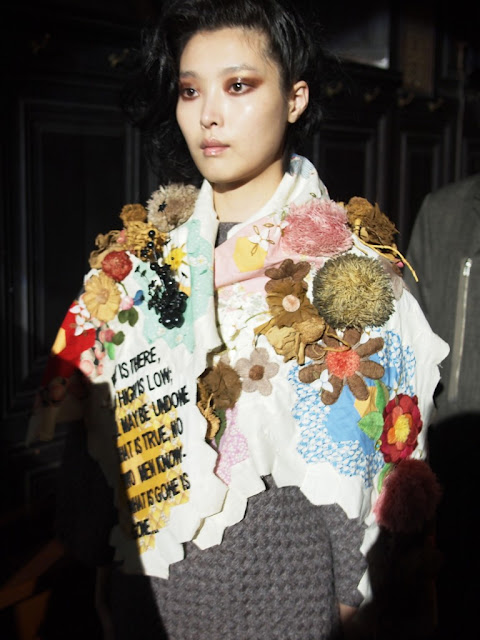
Maximalism — layering prints, collecting statement pieces, rotating 80+ items — is a legitimate aesthetic and always has been. Iris Apfel built a decades-long career on it. Alessandro Michele’s tenure at Gucci made layered excess the dominant global aesthetic for half a decade. Vivienne Westwood built a brand on the principle that fashion should be loud, layered, and confrontational. If you genuinely love fashion as creative expression and have the space and budget for a larger wardrobe, a 33-piece capsule will make you miserable — and miserable people buy more anyway, because the constrained system stops feeling like theirs.
The principle underneath all of this isn’t “own less.” It’s “own intentionally.” A maximalist wardrobe can be as intentional as a capsule — every piece chosen, collected for a reason, worn for what it expresses. What doesn’t work is a large wardrobe full of things you don’t love, bought on impulse, worn twice, and replaced next season. That isn’t maximalism. That’s just spending without thinking.
Know your style identity first. Then pick the system that serves it. Capsule thinking works for minimalists, travel-heavy lifestyles, and anyone who finds decision fatigue exhausting. Maximalist thinking works for people who find fashion genuinely exciting and approach getting dressed as a form of self-expression rather than a daily problem to solve.
Style Tools and Advice: What’s Worth Your Time
Which apps actually help with personal style?
Two are worth keeping on your phone. Stylebook ($3.99, iOS) for wardrobe inventory and outfit tracking over time. Whering (free, iOS and Android) for cost-per-wear tracking and daily outfit planning. Pinterest works for building direction boards but has one persistent problem — it shows you aspirational images, not what actually works for your body shape and real schedule. Use it for initial direction, not for making purchase decisions.
Are subscription styling services like Stitch Fix worth the cost?
For people who genuinely dislike shopping: yes, as a starting point, not a permanent system. Stitch Fix’s algorithm improves meaningfully with feedback over time, and having someone else pull pieces removes the analysis paralysis of browsing alone. The markup over retail runs 20–30%, which makes it expensive once you already know your preferences well. Use it for three to six months, note what you consistently keep, then shop independently using that data.
What style advice should you stop following entirely?
“Dress for the body you want, not the body you have.” Ignore it. Clothes that fit your actual body now look better than clothes bought for a hypothetical future version of you. Buy what fits. Tailor what needs tailoring. That’s the whole rule.
“Invest in classics that never go out of style” — true in principle, useless without specifics. A Burberry Heritage Kensington trench coat ($2,190, or the Banana Republic Classic Trench at $230 on sale) holds value for fifteen years. A “classic” anything from a trend-adjacent fast fashion retailer does not. The advice only holds when you can name the actual piece.
| Approach | Worth It? | Why |
|---|---|---|
| Wardrobe audit before buying | Yes — always first | Reveals actual gaps vs. emotional shopping patterns |
| Tailoring basics | Yes | $20–$60 makes a $40 item look like $150 |
| Investment basics (Levi’s, Uniqlo, Brooks Brothers) | Yes | Cost-per-wear advantage kicks in within 18 months |
| Investment-tier trend pieces | No | High spend, low wear cycle — fast fashion wins here |
| Monthly wardrobe reassessments | No | Creates buying justification, not discipline |
| Stylebook or Whering app | Yes | Honest data beats memory for tracking what you actually wear |
| Stitch Fix subscription styling | As a starting point | Good for preference data; expensive long-term at 20–30% markup |
| Capsule wardrobe (Project 333) | Depends on your style identity | Right for minimalists; wrong for those who love variety and expression |