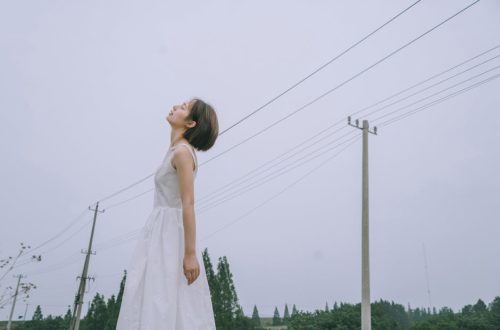
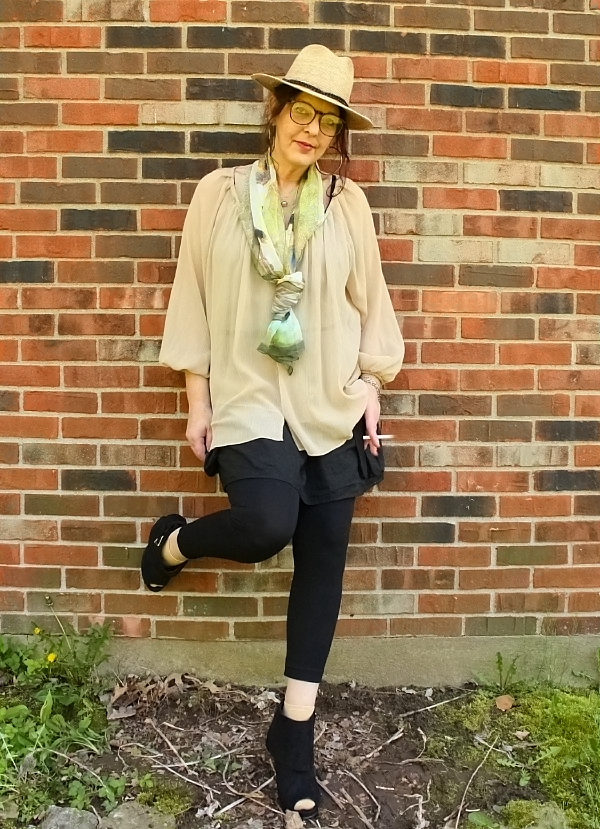
Most women wear tunics wrong. They treat them like long shirts. Big mistake. Despite its ancient roots, the tunic is still the most misunderstood garment in modern fashion. You’re probably wearing one wrong right now.
What a Tunic Actually Is (And Isn’t)
Let’s get this straight: a tunic is not just a long shirt. It’s a distinct garment with specific characteristics. Ignore the marketing fluff that slaps ‘tunic’ on anything that covers your butt. That’s how you end up with ill-fitting, shapeless fabric disasters. A true tunic is designed to be versatile, comfortable, and stylish, but only if you understand its fundamental structure. It’s meant to be worn over something, not tucked in, and it certainly isn’t a dress unless it specifically hits above the knee and is styled as such.
The Length Rule: Beyond the Butt
The defining characteristic of a tunic is its tunic length. It needs to fall below the hip bone but generally no longer than mid-thigh. If it hits your knee or lower, it’s a dress. If it barely skims your crotch, it’s a long top, not a tunic. This isn’t arbitrary; it dictates how the garment drapes, how it pairs with other pieces, and crucially, how flattering it will be. A proper tunic provides coverage where you want it without overwhelming your frame. Too short, and you lose the benefit of the tunic. Too long, and you look like you forgot your pants. Pay attention to the model’s height and the garment’s stated length in inches. Don’t just eyeball it. For most women, 28 to 32 inches from the shoulder seam is the sweet spot. Anything outside that range needs careful consideration for your specific height and torso length.
Fabric Realities: It’s Not All About Cotton
Fabric choices are critical. A flimsy knit tunic will cling and show every lump. A stiff, heavy fabric will look boxy and unflattering. The right fabric drapes, breathes, and holds its shape. Think about movement. Tunics are often worn casually, so the fabric needs to move with you, not restrict you. While cotton is a common choice, not all cotton is equal. A thin jersey cotton will stretch out and pill quickly. Look for cotton blends with modal or rayon for better drape and softness. For structured tunics, a crisp poplin or a substantial linen blend works. Avoid anything too sheer unless it’s specifically for beach cover-ups. The fabric needs to offer a level of opacity that allows you to wear it confidently over leggings or slim pants without feeling exposed. Always check the fabric composition tag. Synthetics aren’t inherently bad, but a cheap polyester blend will often feel clammy and look cheap. Invest in quality fabric; it pays off in longevity and style.
Common Tunic Buying Blunders
-
Ignoring Your Proportions
This is the number one mistake. You see a model in a flowy tunic and think, ‘That’ll look great on me.’ Wrong. Models are typically tall, slender, and often wearing a size larger for that oversized look. If you’re petite, a tunic designed for someone 5’10” will swallow you whole. If you have a larger bust, a tunic with too much volume can make you look wider, not leaner. Always consider your height, torso length, and overall body shape. A tunic should lengthen, not shorten. It should skim, not cling. If you’re shorter, opt for slightly shorter tunic lengths and ensure the armholes aren’t too deep, which can make you appear broader. For hourglass figures, a tunic with a slight waist definition or a belt can prevent it from looking shapeless. Don’t buy something just because it looks good on someone else. Buy what works for *your* frame.
-
Buying the Wrong Fabric for the Season
A linen tunic in winter is absurd. A heavy wool blend tunic in summer is just as bad. People do it constantly. You’ll sweat, or you’ll freeze. Understand that fabric weight and breathability are dictated by the season. Lightweight rayon or viscose blends are excellent for spring and summer, offering a cool, fluid drape. Cotton, especially a gauze or poplin, is also great for warmer weather. For fall and winter, you need something with more substance: a heavier knit cotton, a merino wool blend, or a brushed flannel. These fabrics provide warmth without excessive bulk. Don’t just buy what’s on sale if it’s completely inappropriate for the weather you’ll be wearing it in. That’s a waste of money and closet space.
-
Confusing a Tunic with a Dress
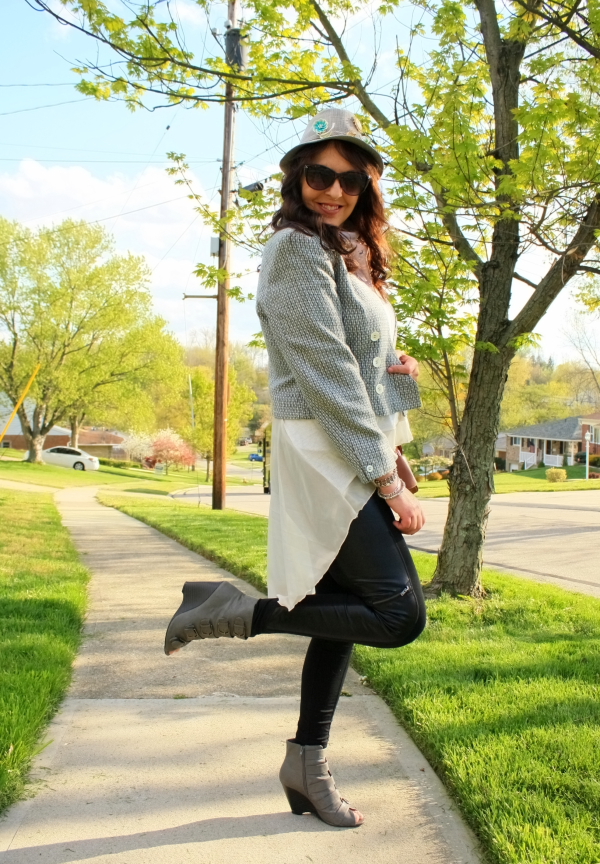
Repeat after me: unless it’s designed to be a dress, a tunic needs pants or leggings. I see women wearing tunics with bare legs constantly. It’s not a good look. It’s often too short, exposes too much, and looks like you got dressed in the dark. A true tunic is meant to be a top layer. Its purpose is to provide stylish coverage over slim-fitting bottoms. If you want to wear a dress, buy a dress. Don’t try to make a tunic something it’s not. The only exception is if you’re at the beach and it’s a designated cover-up. Otherwise, pair it with skinny jeans, tailored trousers, leggings, or even bike shorts if you’re going for a more casual, athleisure vibe. But always, always cover your lower half appropriately.
Decoding Tunic Fabrics and Weights
The fabric dictates everything: drape, comfort, longevity, and how it looks on you. Don’t cheap out here. A well-chosen fabric can elevate a simple tunic, while a poor one will make it look like a rag.
| Fabric Type | Pros | Cons | Ideal Use Case | Care Notes |
|---|---|---|---|---|
| Linen/Linen Blends | Breathable, durable, natural texture, gets softer with age. | Wrinkles easily, can feel stiff initially. | Summer casual, beachwear, relaxed office. | Machine wash cold, hang dry or low tumble. Iron if desired. |
| Cotton Jersey | Soft, stretchy, comfortable, easy care. | Can cling, may pill, less structured. | Everyday casual, layering, lounge. | Machine wash cold, tumble dry low. |
| Poplin Cotton | Crisp, holds shape, structured, breathable. | Less drape, can wrinkle, less soft than jersey. | Workwear, structured casual, polished look. | Machine wash cold, hang dry or light iron. |
| Rayon/Viscose | Excellent drape, soft, silky feel, breathable. | Can wrinkle, prone to shrinkage, less durable than cotton. | Flowy, dressy casual, warm weather. | Hand wash or delicate cycle, hang dry to prevent shrinkage. |
| Knit Blends (Modal, Tencel) | Luxurious drape, extremely soft, good stretch, wrinkle-resistant. | Often more expensive, can be delicate. | Elevated casual, travel, comfortable chic. | Machine wash cold delicate, lay flat to dry. |
Summer vs. Winter Fabrics
It’s basic common sense. For summer, prioritize lightness and breathability. Think linen, Tencel, modal, and lightweight cotton. These fabrics wick moisture and allow air circulation, keeping you cool. For winter, focus on insulation and warmth. Heavier cotton knits, merino wool blends, or even a soft flannel will serve you better. Don’t compromise comfort for style; you’ll regret it every time you put it on. A tunic should feel good, always.
Care Instructions to Avoid Regret
Check the care label before you buy. If it says ‘dry clean only’ and you never dry clean, walk away. You’ll ruin it or never wear it. Most quality tunics today are designed for easy care. Look for machine washable options. However, even machine washable items can be damaged if you don’t follow instructions. Delicate fabrics like rayon or Tencel often benefit from a cold wash on a delicate cycle and air drying to maintain their shape and prevent shrinkage. Don’t just throw everything in the hot wash and high dryer. You’re destroying your clothes and your money.
Your Body, Your Tunic: Best Fits
Stop trying to fit your body into a trend. The best tunic is the one that flatters your specific shape. Period. Forget what the runway says; focus on what makes you feel good and look polished, not swamped.
If you’re petite, aim for a slightly shorter tunic length, ideally around 28-29 inches, and consider vertical details like a V-neck or a button placket to create length. For taller women, you have more leeway with longer styles, but still ensure it doesn’t look like a mini dress. Curvy figures should opt for tunics with a subtle A-line cut or side slits, which provide movement and avoid clinging to the hips and thighs. Avoid overly voluminous styles if you’re concerned about adding bulk; a tunic with a gentle drape that skims the body is always more flattering than a tent. The silhouette matters more than you think.
Brands That Get Tunics Right
Don’t waste time sifting through fast fashion junk. Some brands consistently deliver on tunic quality, fit, and style. They understand what a tunic should be, not just what they can market as one. These are the places to start your search for something that will last and actually look good.
For Everyday Comfort and Quality
When you need a tunic that’s going to hold up to regular wear, feel great against your skin, and maintain its shape, focus on brands known for their foundational pieces. Eileen Fisher is a clear winner here. Yes, it’s an investment, but their linen and Tencel blend tunics are timeless, drape beautifully, and last for years. They understand minimalist design and quality fabrics. Their sizing is generous, so often you need to size down. For more active, casual options, look at Athleta. Their Stellar Tunic or Pranayama Wrap provide excellent coverage, are made from performance fabrics that resist wrinkling, and are perfect for travel or running errands. They’re designed for movement, not just sitting still. Uniqlo also offers surprisingly solid basic tunics in their Supima cotton or rayon blends. They’re not going to be groundbreaking, but for a reliable, affordable staple, they often deliver on quality for the price point.
For Elevated Style and Unique Details
If you want a tunic that makes a statement, you need to look for brands that focus on design and unique textures. Anthropologie often carries tunics with interesting embroidery, prints, or unique fabrications like textured gauze or velvet, though quality can vary, so always check reviews. Their Maeve and Pilcro brands frequently feature stylish tunics. For a more bohemian-inspired, yet still polished, look, Madewell offers great options in linen blends or soft cottons with thoughtful details like tie-fronts or subtle prints. These brands excel at creating tunics that feel special, moving beyond just a basic top. They tend to have a more fashion-forward approach, but still understand the core principles of tunic design – the length and drape are usually spot on. Always check material composition, as some fashion brands will use cheaper synthetics.
The Budget-Friendly Picks
Look, not everyone can drop $200 on a tunic. I get it. For solid, budget-friendly options, don’t just grab the cheapest thing you see. You’ll regret it. Instead, target brands that offer value. Old Navy can surprise you, especially with their linen-blend or soft-spun tunics during seasonal sales. You have to be selective, but they often hit the mark for a basic, comfortable piece. Target’s A New Day or Universal Thread lines also occasionally feature decent tunics in cotton or rayon blends. The key with these lower-priced options is to scrutinize the fabric content and stitching. Avoid anything that feels flimsy or looks like it will fall apart after one wash. Focus on solid colors rather than intricate prints, as prints can often highlight cheaper fabric quality. The goal is a functional piece, not a fashion disaster.
Stop treating tunics like long shirts; wear them as their own statement piece, properly paired with the right bottoms and in the right fabric.