You’ve seen it: the person at a themed party who looks utterly authentic, not like they pulled an outfit from a rental shop. Or maybe you’ve tried to infuse a touch of old-world charm into your daily wear, only to feel more like you’re in a school play than making a fashion statement. The line between ‘costume’ and ‘couture’ can be razor-thin, especially when dealing with distinctive historical pieces like lace and spats. These aren’t just relics; they’re powerful style elements, if you know how to wield them. The trick lies in understanding their origins, their aesthetic weight, and how to balance them within a contemporary context.
Trying to pull off a pair of classic spats with modern jeans, or incorporating a delicate lace detail into a strong, structured outfit, often leads to sartorial confusion. It feels disjointed. The challenge isn’t the items themselves, but the lack of an intentional bridge between eras. This article unpacks the rich history and distinct characteristics of lace and spats, then offers practical, actionable strategies to blend them into your personal style with confidence and undeniable elegance. No more looking like an extra; you’ll look like a curator of exceptional taste.
What Spats Actually Are and Why They Disappeared
Spats, for many, conjure images of roaring twenties gangsters or dapper Edwardian gentlemen. But their story is richer and more practical than mere aesthetic affectation. Originally, spats were not about fashion statements alone; they were about protection. Think of them as sartorial gaiters, designed to shield footwear and ankles from mud, dust, and rain. They saw widespread use from the late 19th century into the early 20th century, becoming a hallmark of formal and semi-formal menswear.
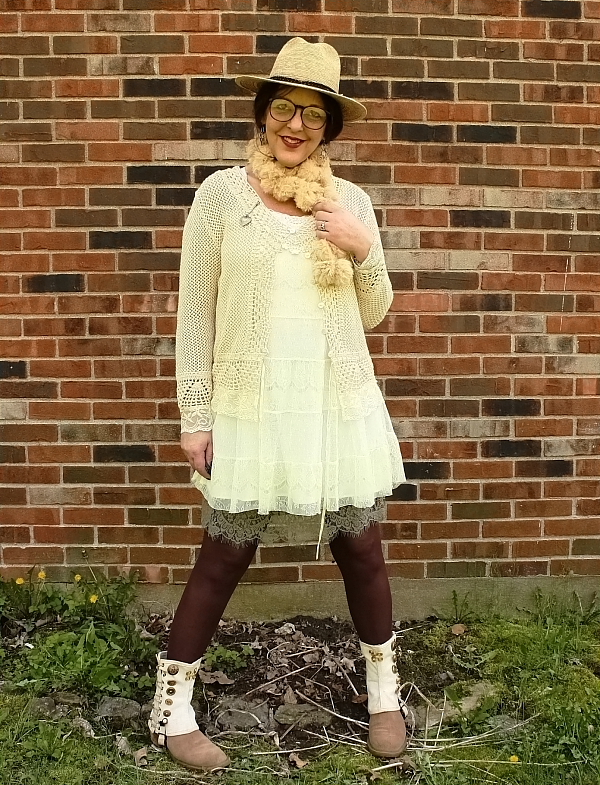
The typical spat was a fabric covering, usually wool felt, canvas, or even leather, that wrapped around the ankle and instep of a shoe. It fastened with buttons or buckles, often along the outer side, sometimes with a strap running under the shoe’arch to keep it secure. Colors varied, but grey, white, tan, and black were most common, chosen to either contrast or blend with the wearer’s shoes and trousers. The shape was deliberately sculpted to fit snugly around the boot or shoe, creating a seamless, elongated line from the trouser hem to the shoe’s toe.
Materials and Construction of Classic Spats
Historically, the choice of material for spats often dictated their formality and function. Heavy wool felt, for example, offered warmth and durability, making it suitable for colder weather and more robust outdoor activities. Canvas spats were lighter, often seen in warmer climates or for less formal occasions. For true elegance, some bespoke spats were crafted from fine leather, polished to match or deliberately contrast with the shoes they covered. These would often feature mother-of-pearl buttons or elaborate stitching, indicating the wearer’s attention to detail and status.
A well-made pair of spats required precise tailoring. They weren’t one-size-fits-all. Each pair was often cut to accommodate specific shoe styles, ensuring a clean fit over brogues, Oxfords, or even dress boots. This custom approach, ensuring no unsightly bulges or gaps, was key to their elegant appearance. The buttons, typically five to seven, were not just decorative; they provided the crucial tension needed for a smooth, taut fit against the ankle and instep.
The Utility and Demise of Spats
The primary utility of spats was undeniable: they kept expensive leather shoes clean and preserved their finish, particularly in an era before paved roads were ubiquitous. They also added a layer of warmth. As society evolved, however, so did fashion and practicality. Improved road conditions meant less mud. The rise of lower-cut shoes and more casual dressing chipped away at their necessity. By the 1930s, spats had largely faded from mainstream fashion, deemed too fussy or old-fashioned. They became symbols of a bygone era, occasionally revived for formalwear or period costumes, but rarely seen as an everyday item. Today, their reappearance is a deliberate stylistic choice, a nod to vintage aesthetics rather than a practical requirement for footwear protection.
The Core Challenge: Costume vs. Couture
Here’s the stark truth: many attempts to incorporate lace and spats into modern outfits fail because they lean too heavily into theatricality. The line is defined by intent and balance. If your look screams ‘I’m dressed for a party,’ it’s a costume. If it subtly enhances your personal style with historical depth, it’s couture.
Decoding Lace: Beyond the Bridal Aisle
Lace, much like spats, carries a strong historical weight. While it’s often associated with bridal wear or delicate undergarments today, its history is one of immense social significance, intricate craftsmanship, and diverse applications. Understanding the different types of lace is crucial for integrating it effectively without creating a saccharine or overly formal aesthetic.
1. Chantilly Lace: The Delicate Whisper
Originating from Chantilly, France, this lace is known for its incredibly fine, delicate, and elaborate patterns, often featuring floral motifs and scrolling designs on a sheer net ground. It’s typically made from silk or linen threads, giving it a soft drape. Its light weight and transparency make it perfect for subtle accents: a camisole trim, a sleeve insert on a blouse, or a delicate scarf. A yard of genuine vintage Chantilly lace trim, say 3 inches wide, might cost around $25-$50, depending on its condition and origin. The key with Chantilly is restraint; a little goes a very long way in adding a touch of ethereal elegance.
2. Venetian Guipure: The Bold Statement
In stark contrast to Chantilly, Venetian Guipure is a needlepoint lace characterized by its dense, raised, and often sculptured motifs connected by bars rather than a net ground. It’s substantial, opaque, and has a rich, almost three-dimensional quality. This isn’t lace for subtle hints; it’s for making a statement. Think a collar on a tailored jacket, a dramatic cuff, or an appliqué on a structured dress. A smaller piece, perhaps a 5×5 inch appliqué, could range from $30 to $80 for good quality. Its weight demands pairing with equally substantial fabrics like wool, heavy silk, or even leather, to maintain balance.
3. Broderie Anglaise: The Textured Simplicity
Also known as English embroidery, Broderie Anglaise is technically an embroidery technique rather than a true lace, but its effect is lace-like. It features patterns created by small holes or eyelets, often edged with buttonhole stitches, on a plain fabric like cotton or linen. It’s clean, crisp, and offers a beautiful textural contrast. This is the lace of summer dresses, blouses, and children’s wear, evoking a sense of innocent charm and rustic elegance. A good quality cotton Broderie Anglaise fabric might cost $15-$30 a yard. Its straightforward aesthetic pairs well with denim, natural fibers, and relaxed silhouettes, lending a touch of vintage freshness without being overly ornate.
Modernizing Spats: Everyday Styling Options
Integrating spats into a contemporary wardrobe requires careful consideration, moving beyond their historical context as mere shoe protectors. The goal is to use them as an unexpected accent, a deliberate choice that elevates an outfit.
Can I wear spats with sneakers?
This is where the ‘costume’ line becomes very thin. Generally, no. Spats are inherently formal or semi-formal accessories. Pairing them with athletic sneakers creates a jarring dissonance that is very difficult to pull off with genuine style. The visual languages are completely opposed. If you’re aiming for an ironic or avant-garde look, perhaps, but for sophisticated integration, avoid this combination. The materials and silhouettes simply do not complement each other effectively.
What shoes pair best with spats?
The most successful pairings for spats are with classic men’s dress shoes. Think Oxford shoes, brogues, Derby shoes, or even Chelsea boots. The structured, often polished leather of these shoes provides the necessary foundation for spats to sit elegantly. Black or brown leather shoes work universally. For a more adventurous look, consider two-tone spectator shoes, allowing the spats to bridge the color block. The key is that the shoe itself has a clean, refined silhouette that doesn’t compete with the spat but rather acts as its base. A pair of custom spats, perhaps in a unique tweed, could run $150-$250 to ensure a perfect fit over your preferred dress shoes.
Are spats only for men?
Historically, yes, spats were almost exclusively a menswear item. However, modern fashion is fluid. Women can absolutely wear spats, especially when embracing an androgyne aesthetic, steampunk styles, or simply looking to add a unique, structured element to their footwear. Paired with tailored trousers, skirts, or even dresses and sturdy ankle boots, spats can offer a powerful, distinctive edge. The principles remain the same: match the formality of the spat to the shoe, and ensure the overall look is intentional and balanced. Imagine a pair of dark grey felt spats over black leather ankle boots, paired with a houndstooth skirt and a crisp white shirt—a very chic, unconventional statement.
Lace and Spats: A Material and Texture Comparison
When combining these two distinct elements, understanding their inherent material properties and how they interact visually is critical. Lace is often delicate, intricate, and translucent; spats are typically robust, structured, and opaque. The contrast can be striking or disastrous, depending on the choices you make.
| Element Type | Material | Typical Texture | Visual Weight | Best Paired With (Lace/Spats) |
|---|---|---|---|---|
| Lace (Chantilly) | Silk, Linen | Fine, Sheer, Flowing | Light, Ethereal | Delicate details, soft fabrics. For spats: avoid; too much contrast. |
| Lace (Guipure) | Cotton, Silk | Dense, Raised, Sculpted | Medium-Heavy | Structured garments, rich textiles. For spats: small accents, avoid direct contact. |
| Lace (Broderie Anglaise) | Cotton, Linen | Crisp, Perforated, Matte | Light-Medium | Casual wear, natural fibers. For spats: subtle accents, often on separate garments. |
| Spats (Felt) | Wool Felt | Soft, Matte, Structured | Heavy | Wool trousers, tweed, leather shoes. For lace: only very subtle, separate integration. |
| Spats (Leather) | Polished Leather | Smooth, Sheen, Stiff | Heavy, Formal | Dress shoes, tailored suits. For lace: small accents, often on other parts of the outfit. |
| Spats (Canvas) | Cotton Canvas | Textured, Durable | Medium | Chinos, more casual boots. For lace: best to keep separate, or choose a very minimal lace. |
Pairing Lace with Spat Materials
Directly pairing lace and spats in the same outfit section is challenging. The stylistic tension is high. The most successful approach is usually to keep them distinct elements of an ensemble. For instance, a heavy felt spat on a polished brogue should be complemented by a strong, structured garment. If you want to introduce lace, do so in a way that doesn’t clash with the spat’s grounded aesthetic. Perhaps a small Guipure lace detail on a blazer lapel, or a Broderie Anglaise shirt peeking from beneath a sweater. The materials should resonate, not fight. Polished leather spats, for example, would pair well with an outfit that features silk or satin, allowing for a delicate lace trim on a blouse. Felt spats might feel at home with a tweedy jacket that has a subtle lace pocket square.
Cost Considerations for Quality Pieces
When considering acquiring vintage or custom pieces, costs vary widely. A well-preserved pair of vintage felt spats might range from $75 to $150, depending on condition and rarity. Custom-made leather spats, tailored to your shoes, could easily run $200-$400. For lace, prices are dictated by type, age, and craftsmanship. A yard of genuine antique Chantilly lace can fetch upwards of $100, while a smaller piece of hand-stitched Irish crochet might be $40-$70. These aren’t just accessories; they’re investments in distinctive style, so expect to pay for quality and uniqueness.
Crafting Your Look: Integration Strategies
The secret to successfully integrating lace and spats into your wardrobe isn’t about wearing them exactly as they were in 1926. It’s about selective adaptation, treating them as powerful design accents rather than full-blown period pieces. The aim is to create visual interest and sophisticated contrast.
Balancing Visual Weight
This is . Spats add significant visual weight to the lower half of an outfit. They draw the eye down, creating a distinct anchor point. If you wear spats, the rest of your ensemble needs to acknowledge this. Avoid overly busy patterns or extremely voluminous shapes elsewhere that might compete. A well-tailored pair of trousers, perhaps with a subtle check or a solid color, provides a clean backdrop. The jacket or top should maintain a proportionate silhouette. For instance, felt spats with a tweed suit work because tweed also has a strong texture and weight. Similarly, lace, especially the bolder Guipure type, also adds visual weight. If you’re using a large lace element, ensure the surrounding fabrics are simpler to let the lace shine. If the lace is delicate (like Chantilly), it needs a context that doesn’t overwhelm it, such as a soft silk blouse or a simple cashmere cardigan.
Think of spats as the equivalent of a bold tie or a statement watch – they are the focal point. Lace, depending on its type, can be a primary statement or a delicate whisper. Combining them successfully often means they are not directly interacting but rather contributing to an overall curated aesthetic. For example, wearing leather spats with dark trousers and a crisp shirt, then layering a fine knit sweater with a delicate Chantilly lace trim peeking at the cuffs. The lace is a detail, not competing with the strong presence of the spats.
Color and Pattern Harmony
When working with vintage elements, color and pattern choices are critical. Spats are often in neutral tones: grey, black, brown, cream. This provides a versatile base. You can use these neutrals to ground an outfit with more color, or to complement a monochromatic scheme. If your spats are a bolder color, like a deep burgundy leather, consider that a major color input for your entire look. Lace also comes in a spectrum, though white, cream, and black are most common. A black Chantilly lace, for example, can add gothic sophistication to an otherwise simple dark dress. A cream Broderie Anglaise can brighten a denim outfit.
The key is to avoid clash. If your spats are patterned (e.g., a subtle houndstooth), keep your trousers and shoes solid. If your lace is intricate, perhaps choose a solid color fabric for the main garment. Mixing patterns is possible, but it requires a very skilled eye and a clear understanding of scale and contrast. Often, the safest and most elegant approach is to let either the lace or the spats be the primary patterned or textured element, with other pieces serving as supportive backdrops. For example, a crisp white shirt featuring subtle Broderie Anglaise cuffs, paired with a charcoal wool suit and black leather spats. The patterns are distinct and don’t overlap visually, allowing each piece to be appreciated.
Ultimately, the goal is effortless integration. When you look in the mirror, you shouldn’t see a historical figure who wandered into 2026. You should see a person with a distinctive, well-considered style, where every element, including the unexpected lace or the assertive spats, feels perfectly at home. The awkwardness of feeling like a costume vanishes when you understand the pieces, respect their origins, and weave them into a personal narrative that is uniquely yours. Suddenly, that fear of looking out of place transforms into an undeniable confidence, turning heads for all the right reasons.