Feeling like your closet is full but you have nothing to wear? It’s a common dilemma, one many of us face seasonally. Instead of chasing fleeting trends or buying new items, consider a different approach. What if you could breathe new life into your existing clothes, making them feel fresh and relevant?
Unearthing Hidden Gems: The Wardrobe Audit
Before any talk of new additions or styling tricks, start with what you already own. A thorough wardrobe audit isn’t just about decluttering; it’s about understanding your personal style, identifying gaps, and rediscovering forgotten pieces. This process helps you see your clothing inventory with fresh eyes, often leading to unexpected styling revelations without spending a dime.
Many people find this step daunting. But think of it as an archaeological dig into your own style history. You’re looking for artifacts that still resonate, pieces that, with a little recontextualization, can become cornerstones of a refreshed look. Take everything out. Yes, everything. Group similar items together: all jeans, all white shirts, all sweaters. This visual inventory is crucial.
As you go through each item, ask yourself a few direct questions. Does it fit? Is it comfortable? Does it align with who I am now, not who I was five years ago? Be honest. Garments that don’t meet these criteria often become wardrobe noise, making it harder to find items you truly love and want to wear.
Decluttering with Purpose
The goal isn’t just to throw things away. It’s to create clarity. For each item, decide its fate: keep, donate, sell, or alter. Keep items that fit well, make you feel good, and are versatile. Donate or sell anything that’s in good condition but no longer serves you. Even a single unworn item takes up physical and mental space. Be ruthless in a kind way.
Consider a capsule wardrobe approach during this phase. Identify about 30-40 items (including shoes and accessories) that can mix and match to create numerous outfits. This forces you to prioritize versatility and quality over quantity, making future styling choices much simpler.
Identifying Your Core Style
As you sort, pay attention to patterns. What colors do you gravitate towards? What silhouettes make you feel confident? Are there specific fabrics you always reach for? These observations are key to defining your authentic style. Maybe you love minimalist aesthetics but have a closet full of trendy prints. This audit reveals those discrepancies. Use Pinterest or fashion blogs to create a mood board of outfits you genuinely admire. Then, see how many pieces in your ‘keep’ pile align with that vision.
Your core style isn’t static, but it has foundational elements. Understanding these helps you make more intentional choices going forward, preventing impulse buys that don’t fit your overall aesthetic.
The "Three-Wear" Rule
Before an item goes back into the closet, can you immediately think of three distinct ways to wear it with other items you’re keeping? If not, it might be a standalone piece that’s difficult to integrate. These isolated items often sit unworn. For example, that brightly patterned skirt? Can you pair it with a crisp white shirt, a simple black sweater, and a denim jacket? If yes, it stays. If you can only imagine one pairing, it’s a candidate for removal.
This rule forces versatility. It encourages you to build outfits, not just collect individual items. By applying this simple test, you curate a wardrobe where nearly every piece can participate in multiple ensembles.
The Strategic Accessory Update
When you want to transform an outfit without buying new clothes, turn to accessories. They are the punctuation marks of style, capable of completely changing the narrative of an ensemble. Investing in a few key accessories under $150 can make your existing pieces feel brand new. Here are some impactful choices:
-
A Statement Scarf
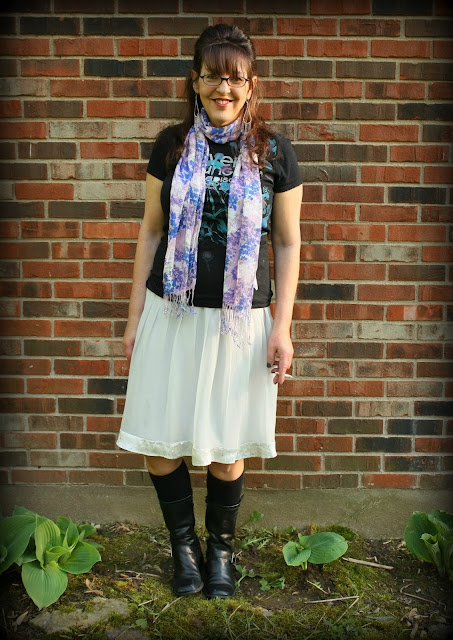
A silk or high-quality cotton scarf adds color, texture, and sophistication. Tie it around your neck for a classic French touch, weave it through your hair, or knot it on your handbag strap. A versatile option like a large square silk scarf from a brand such as Vince Camuto or Echo New York (often priced between $50-$80) can elevate a plain t-shirt and jeans instantly. Look for vibrant prints or rich, solid colors that complement your existing wardrobe palette.
-
Elevated Eyewear
Whether prescription or purely for style, glasses or sunglasses frame your face and communicate personality. A new pair can drastically alter your look. Consider modern frames from brands like Warby Parker (prescription glasses typically $95-$150) or well-designed sunglasses from Quay Australia (around $50-$75). Choose a shape that contrasts slightly with your face shape for the most impactful change.
Generic Tip: When choosing accessories, think about their versatility. Can this scarf be worn in at least three different ways? Do these glasses suit both your casual and more formal looks? Maximizing utility ensures your investment pays off in diverse styling options.
-
The Versatile Belt
A well-chosen belt defines your waist, adds structure, and can completely alter a silhouette. A classic leather belt, such as the Madewell Medium Perfect Leather Belt ($58) or a similar style from J.Crew (often $40-$70), is indispensable. Cinch it over a flowy dress, through the loops of high-waisted trousers, or even over a blazer to create an hourglass shape. Opt for neutral tones like black, brown, or tan for maximum integration with your existing clothing.
-
Jewelry Layering
Don’t underestimate the power of thoughtful jewelry. A simple stack of delicate necklaces or a curated ear-party with small hoops and studs can add subtle sparkle and personal flair. Brands like Mejuri (delicate necklaces from $60-$120) or gorjana (earrings from $45-$90) offer quality pieces that are perfect for layering without overwhelming your look. Mix metals and textures for an interesting, personalized effect.
Generic Tip: Less can be more with accessories. Instead of accumulating many cheap pieces, invest in fewer, higher-quality items that you genuinely love and that stand the test of time. Quality over quantity applies to accessories just as much as it does to clothing.
Layering for Instant Outfit Transformation
Layering is perhaps the most underrated styling technique, capable of turning a handful of basic items into an endless array of distinct outfits. It’s not just about warmth; it’s about adding depth, texture, and visual interest. Mastering this skill means you can extend the wearability of your wardrobe across seasons and occasions, making every piece work harder for you.
Think of layering as building an outfit in stages. Each layer contributes to the overall look and feel, allowing for creative expression and adaptability. It’s a key strategy for making clothes you’ve owned for years feel completely new, simply by changing their context within an ensemble. A simple white tee can go from casual to chic with the right additions.
The Art of the Base Layer
A good base layer is the foundation. It should be comfortable, well-fitting, and often in a neutral color. Think of a crisp white t-shirt, a fitted turtleneck, or a simple camisole. Brands like Uniqlo are excellent for affordable, high-quality basics, with their Heattech range (typically $19.90-$29.90) serving as a fantastic, lightweight thermal base in cooler months. A plain base allows subsequent layers to pop without competing for attention. Start simple; a plain crewneck tee under a slip dress changes the dress’s entire vibe from evening to daytime casual.
Adding Texture and Dimension
Once you have your base, introduce layers with varying textures. A chunky knit sweater over a silk blouse, a denim jacket over a floral dress, or a tailored blazer over a cotton tee. These contrasting textures add visual depth and make an outfit look more thought-out. For example, an **Everlane Cashmere Crew Sweater** (often on sale for $90-$120, originally $145) layered over a simple button-down offers warmth and a luxurious feel. Consider a classic denim jacket, like a Levi’s original (around $98), as an ideal mid-layer. It adds a rugged edge to softer fabrics and instantly casualizes more formal pieces.
Seasonless Style Through Layers
Layering allows you to wear seasonal pieces year-round. A summer dress can become a fall staple with a turtleneck underneath and a cardigan or blazer on top. Light linen trousers can transition from warm weather with a tank to cooler days with a fitted long-sleeve tee and an open jacket. This approach maximizes your wardrobe’s utility, reducing the need for entirely separate seasonal wardrobes. A versatile blazer, such as a relaxed fit option from H&M or Mango (typically $70-$120), can be thrown over almost anything, from a casual t-shirt to a more structured blouse, instantly adding polish and warmth.
Small Alterations, Significant Style Upgrades
Often, the pieces we dislike most aren’t inherently bad; they just don’t fit quite right or feel dated. Instead of discarding them, consider the transformative power of alterations. A small investment in tailoring can revive garments and make them feel custom-made, providing far more value than buying a new, ill-fitting item.
Many perceive tailoring as expensive or only for high-end clothing. This isn’t true. Basic alterations are surprisingly affordable and can unlock the full potential of your wardrobe. They turn "almost right" into "perfect," elevating your overall appearance and boosting your confidence in your clothes.
Hemming for Modern Silhouettes
The hemline dictates the entire silhouette of a garment. Cropping jeans to hit just above the ankle can instantly update their look from dated to modern. Taking up the hem of a midi skirt by an inch or two can make it feel fresh and proportional. The cost for a simple hem can range from $10-$25 for trousers or skirts, and $25-$40 for a jacket or dress. This minor adjustment can completely change how a piece hangs and moves, making it feel current and polished.
Button Swaps and Hardware Upgrades
Often, cheap plastic buttons are the only thing diminishing an otherwise perfectly good blazer or coat. Swapping them for high-quality metal, horn, or mother-of-pearl buttons (available at fabric stores for $5-$20 for a set) can dramatically elevate the garment’s perceived value. Similarly, replacing a flimsy zipper pull or a tarnished buckle can breathe new life into bags or outerwear. This is a low-cost, high-impact upgrade that requires minimal effort.
Simple DIY Transformations
Not every alteration requires a tailor. Simple DIY fixes can be incredibly effective. Cropping a long-sleeve tee into a trendy boxy crop top, cutting old jeans into raw-hem shorts, or even dyeing a faded garment a new, rich color can completely transform its appearance. These projects require basic sewing skills or just a pair of sharp scissors and some textile dye, allowing for maximum creativity with minimal financial outlay. Consider watching a few YouTube tutorials for inspiration on how to upcycle old denim or oversized shirts.
| Alteration Type | Average Cost Range | Typical Style Impact |
|---|---|---|
| Hemming trousers/skirts | $10 – $25 | Improved fit, modern silhouette, polished look. |
| Taking in side seams (top/dress) | $20 – $45 | Custom, flattering fit; less baggy appearance. |
| Sleeve shortening (simple) | $15 – $30 | Better proportion, tailored feel. |
| Button/hardware replacement | $5 – $20 (materials) + labor if needed | Elevated perceived quality, updated aesthetic. |
| Tapering pant legs | $30 – $50 | Contemporary silhouette, more refined look. |
What Pieces Truly Build a Lasting Wardrobe?
Many struggle with the idea of a "lasting wardrobe." Does it mean expensive items? Or just items that don’t fall apart? The truth is, a lasting wardrobe is built on versatility, quality, and timeless design, allowing you to re-wear pieces endlessly.
Why Basics Matter Most?
Basics are the backbone of any functional wardrobe. They are the plain white canvas upon which you paint your daily style. Without solid basics, even the most exciting statement pieces will struggle to find their place. They are the items you reach for constantly, the ones that anchor every outfit. Investing in high-quality basics means they will withstand frequent wear and washing, maintaining their shape and color, which is crucial for longevity. Think about how often you wear a simple t-shirt or a pair of well-fitting jeans. These are the workhorses.
What Defines a "Timeless" Piece?
A timeless piece transcends trends. It features classic silhouettes, often in neutral colors, and is made from durable fabrics. It doesn’t scream a specific year or season. Examples include a classic white button-down shirt, a well-cut pair of straight-leg jeans, a simple black blazer, or a trench coat. These items maintain their relevance year after year because their design is functional, aesthetically pleasing, and not tied to passing fads. They are the ultimate "one more time" items because they’re always in style.
Can Budget Basics Last?
Absolutely. "Budget" doesn’t have to mean "cheaply made." Look for brands known for their durable, classic items. For example, a well-fitting white button-down, such as the **Everlane Organic Cotton Poplin Shirt** ($68), serves as a crisp foundation for countless looks. For quality denim that lasts, a pair of **Levi’s 501 Original Fit Jeans** (often $70-$98) is a benchmark for durability and timeless style. A versatile, unlined blazer from a brand like **Old Navy** or **Target** (typically $40-$60) can offer structure without the high cost of tailoring. The key is to read fabric compositions, check stitching, and prioritize natural fibers or durable blends. Good care also extends the life of budget items significantly.