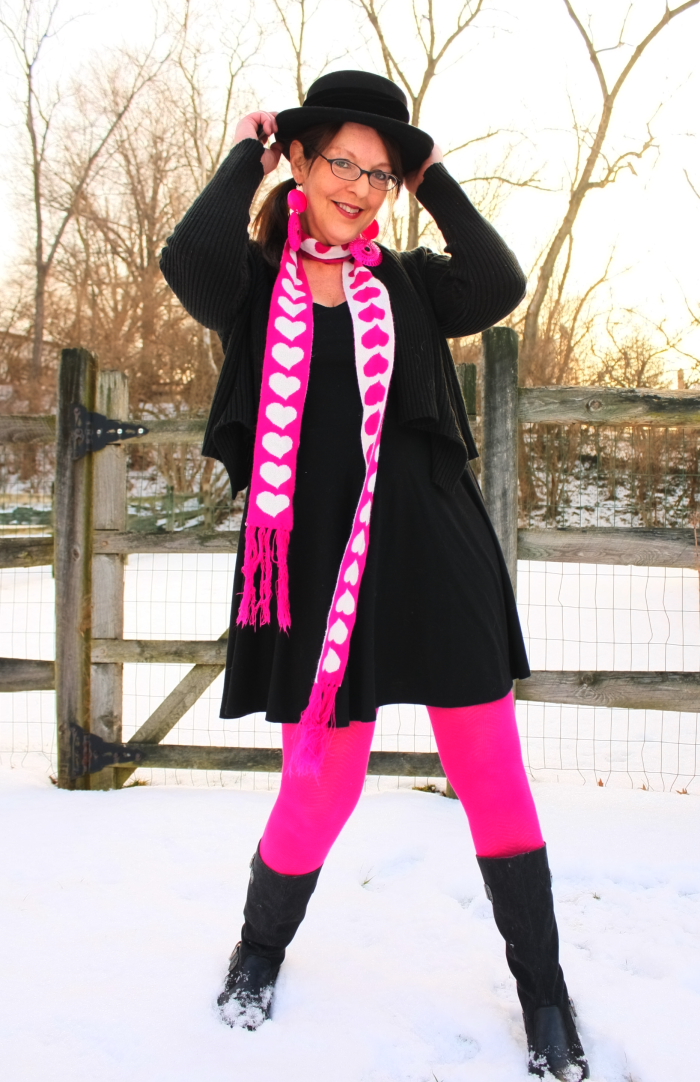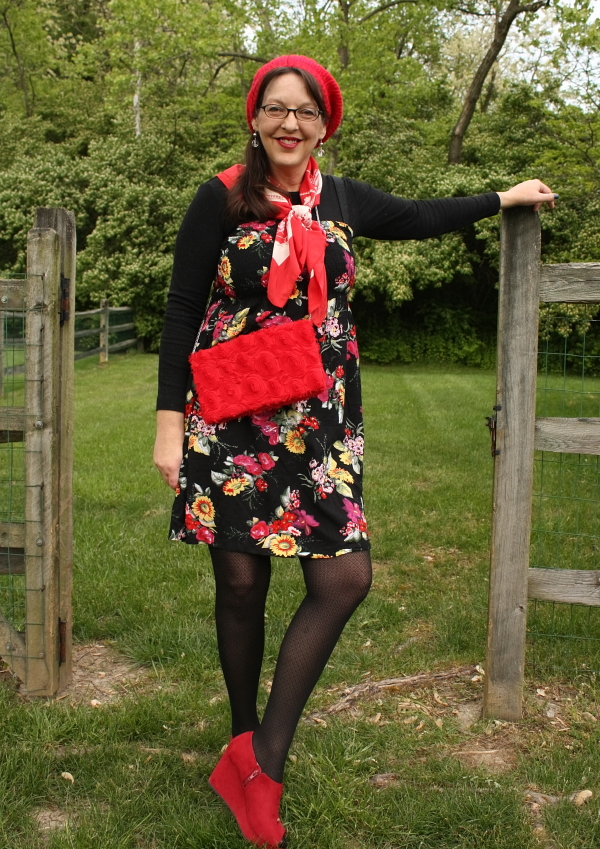
Can an outfit tell a coherent story without looking like a costume? That is the question at the center of fashion synchronicity — and one that takes most stylists years to answer well.
Synchronicity in fashion refers to the deliberate alignment of visual elements across a complete look: color, texture, proportion, and silhouette working in concert, not by chance. The term is frequently misread as synonymous with matching, which it is not. Matching implies sameness. Synchronicity implies harmony — a more demanding and more interesting standard.
This is not professional styling advice. Consult a personal stylist for guidance tailored to your specific wardrobe, body type, and lifestyle.
The Philosophy of Synchronicity in Fashion
The concept draws loosely from Carl Jung’s psychological principle of synchronicity — meaningful coincidences that reveal an underlying order. In fashion, those coincidences are engineered. A shoe that echoes the undertone of a jacket. A bag whose dimensions deliberately reference the proportion of a trouser silhouette. Hardware on a belt that mirrors hardware on a mule. None of it accidental.
Style authorities have typically found that the most memorable, photographically compelling looks share a single unifying logic — a thread of intentionality that the eye follows from collar to shoe without interruption. This differs from both coordination (compatible but conceptually unrelated pieces) and matching (identical elements). Synchronicity sits between them and is harder to execute than either.
Synchronicity vs. Coordination vs. Matching: What Each Actually Means
Fashion professionals would generally distinguish these three terms as follows:
- Matching: Identical elements — same fabric, same color, same construction. A head-to-toe suit in the same wool blend. Controlled, consistent, and at risk of reading uniform-like or stiff.
- Coordination: Related but non-identical elements. A navy blazer with charcoal wool trousers. Compatible. Unlikely to clash. But there is no deeper unifying concept — just responsible color theory applied defensively.
- Synchronicity: A deliberate visual and conceptual echo that runs across every element of the look. The weight of a linen jacket finds its counterpart in the weight of the trouser fabric, even if the two are different colors entirely. The proportion of a trouser leg directly references the width of a lapel. Something intentional binds every decision.
The distinction matters practically. Coordination is what most dressing advice teaches because it is teachable in simple, transferable rules. Synchronicity requires understanding a personal visual logic, then executing it consistently. Most people who appear to dress effortlessly have, in fact, developed a repeatable synchronicity system over years — often without being able to articulate what it is.
Why This Concept Is Resurfacing in 2026
Fashion cycles are predictable once you have seen enough of them. After several seasons of maximalist dressing — dopamine colors, clashing prints, ironic layering — the shift back toward intentional, architectural looks has been consistent and measurable. Editors and buyers noted the turn starting in 2026. By 2026, it has accelerated.
Houses like The Row and Toteme built entire brand identities around this principle. Every piece in their collections is designed to work with every other piece — a closed ecosystem of visual coherence where a consumer can theoretically pull any three items and achieve a synchronized result without styling expertise. That design philosophy is more sophisticated than it appears.
Bottega Veneta under Matthieu Blazy has taken a different approach: using the brand’s signature intrecciato weave as a visual thread that creates synchronicity across bags, shoes, and ready-to-wear within the same look. When the woven leather of the Andiamo bag references the woven fabric of the trouser, the look achieves synchronicity through texture rather than color or proportion — a more advanced execution, and a harder one to replicate outside that specific brand ecosystem.
How to Build a Synchronized Look: A Step-by-Step Framework
Fashion experts generally agree that synchronized dressing is a learnable skill. The following framework reflects how professional stylists typically approach building a look from scratch, and it is consistent across most of the methodology that has been published in trade contexts.
- Choose your dominant element first. Every synchronized look needs an anchor — the piece that everything else serves. This is typically the most visually prominent or voluminous item: the coat, the trouser, the statement bag. Shoe-first dressing is less common but equally valid. Choose one anchor before selecting anything else.
- Extract two properties from that anchor — not just color. Properties include: weight (heavy versus lightweight), texture (matte, shiny, nubby, smooth), proportion (oversized versus fitted), undertone (warm, cool, neutral), and structural quality (rigid versus fluid, draped versus tailored). Take two properties and carry them into every subsequent decision.
- Echo properties, do not repeat them. If your anchor coat is a heavy, matte camel wool, do not look for a heavy matte camel trouser — that is matching. Instead, find one property (heavy) in a different material (a heavy silk crepe trouser), or find one property (matte) in a different color (a dusty blush blouse). The echo creates coherence. The variation creates interest.
- Manage the third piece as a bridge or a controlled contrast. In a three-piece look — top, bottom, shoe — the third piece should either pick up one property from each of the other two (acting as a bridge), or function as a deliberate contrast that still honors the overall tonal story. A cool-toned look with matte textures can absorb one piece of subtle sheen without breaking synchronicity. Two such pieces will fracture it.
- Test in a full-length mirror, then squint. Squinting blurs detail and reveals whether the overall silhouette reads as a single cohesive shape or as competing zones. If the look breaks into separate visual weights, something is disrupting the synchronicity. It is typically footwear — the most consistent point of failure in an otherwise synchronized look.
Jacquemus applied almost exactly this logic across runway presentations from SS2026 onward: a single color story, echoed proportions between the bag and the garment hem, executed in contrasting textures. The Chiquito bag paired in matched linen with a mini dress at the same show was not coincidence. It was synchronicity operating as a design brief that the consumer was meant to understand and replicate.
For more accessible execution, Aritzia’s Studio Collection builds modular pieces sharing a common proportion logic — shared hem lengths, deliberate fabric weight relationships — making the effect achievable without significant expertise or a large budget. The pieces in that line were designed to be mixed, and they show it.
Brands That Have Built Their Identity on Synchronicity
Not all brands are designed with this principle as a core intent. The following have been most consistently recognized — by fashion editors and buyers — for producing collections where synchronicity is engineered rather than incidental.
| Brand | Price Range | Synchronicity Method | Signature Approach | Best Suited For |
|---|---|---|---|---|
| The Row | $800–$5,000+ | Tonal color + fabric weight | Closed wardrobe system; every piece works with every other in the collection | Investment dressing, minimal aesthetic |
| Toteme | $250–$900 | Proportion + texture harmony | Signature scarf creates color echo between garment and accessory | Scandinavian minimalism, everyday elevated |
| Jacquemus | $200–$1,200 | Color story + bag-to-garment proportion | Bag dimensions deliberately reference garment proportions within same-collection looks | Statement looks, editorial styling |
| Bottega Veneta | $600–$4,500 | Texture and weave as visual thread | Intrecciato weave echoed across leather goods and ready-to-wear in one look | Quiet luxury, texture-forward dressing |
| Co (the label) | $300–$1,500 | Silhouette alignment across separates | Separates share a proportional logic; mixing within the line produces automatic synchronicity | Professional dressing, column silhouettes |
| Aritzia (Studio Collection) | $75–$300 | Modular proportion system | Shared hem lengths and fabric weights enable accessible synchronicity at entry price | Budget-conscious wardrobe building |
Of these, Toteme represents the most consistent real-world application at a reachable price point. Their ribbed merino knitwear and trouser pairings from AW2026 — in stone and camel — demonstrate synchronicity achievable without significant styling expertise. The Row requires both the budget and a more developed visual sensibility to use effectively. Buying it without the underlying synchronicity logic produces expensive but visually incoherent results. The brand will not save you from bad decisions — it will make them more expensive.
When Synchronicity Backfires
Head-to-toe synchronicity from a single brand is the most consistent and most fatal mistake. It removes the visual tension that makes synchronized dressing interesting and produces something closer to a department store mannequin than a considered personal style.
Style authorities typically note — with unusual consistency across different critical contexts — that the most credible synchronized looks contain at least one element from a different visual register or price point. The look must appear discovered, not purchased as a set. Full-look Jacquemus, full-look Toteme, full-look anything, tends to read as dressed by the brand rather than dressed by the person wearing it. That distinction is the difference between fashion synchronicity and a brand advertisement.
Synchronicity Approaches Compared: A Final Verdict
Which method is easiest to execute for beginners?
Tonal monochrome. Dressing in a single color family with texture variation as the primary differentiator is the most forgiving entry point for someone new to synchronicity thinking. The risk is flatness — black on black on black without texture contrast tends to visually flatten. But it is the most reproducible method and the one most likely to produce a presentable result on the first attempt. Start here, then introduce proportion echo once the tonal instinct becomes more automatic.
Which method produces the most sophisticated results?
Color-story echo — where a specific, non-obvious color reappears in an unexpected element of the look — consistently produces the most memorable results when it lands correctly. Bottega Veneta’s practice of matching jacket lining to bag interior to shoe sole is the clearest example: none of these elements are visible simultaneously in normal wear, but the coordination creates an impression of total intentionality that reads even to viewers who cannot identify why.
What single mistake disrupts synchronicity most reliably?
Footwear chosen for comfort or habit rather than for its role in the look. Shoe selection should happen first in the synchronicity-building process, not last. A look with a careful tonal story and well-managed proportions between top and bottom is frequently destroyed by a shoe chosen as an afterthought. Most stylists who work in wardrobe consultation would typically advise clients to lead with the shoe and build upward — an approach that feels counterintuitive for most people, but is correct more often than not.
Bottega Veneta’s Sardine bag — round, sculptural, and proportion-specific — illustrates this clearly. In a look with angular tailoring and sharp proportions, it fights the synchronicity. In a look with rounded-shoulder knitwear and a wide, fluid trouser, it becomes the piece that locks the entire look together. The bag has not changed. The synchronicity logic around it has.
| Synchronicity Method | Best Use Case | Primary Risk | Skill Level Required |
|---|---|---|---|
| Tonal monochrome | Minimal and classic dressing | Reads flat without texture variation | Low — best entry point |
| Proportion echo | Architectural and editorial looks | Can overwhelm smaller frames if volumes are too closely matched | Medium |
| Texture harmony | Quiet luxury and investment dressing | Expensive to execute at the quality level required | Medium-High |
| Color-story echo | Statement and fashion-forward looks | Tips into costume territory when over-executed | High |
| Hardware and detail echo | Elevated everyday dressing | Reads as subtle — may not communicate to a general audience | High |