Stop chasing every trend. The most expensive mistake in fashion is not buying the wrong thing — it is buying too many right things at the wrong time. After years of cycling through wardrobe overhauls, here is what actually works when the style landscape shifts under your feet.
The Silhouette Shift Nobody Warned You About
The single biggest change in fashion over the last three years is not a color or a print. It is proportions. The era of body-conscious, slim-everything silhouettes is done. What replaced it is more interesting — and honestly more flattering for most people.
This matters because silhouette is the hardest thing to fake with accessories. You can add a trendy bag to a dated outfit, but if the cut of your pants screams 2015, everything reads off. Getting proportions right is the foundation before anything else.
The Skinny Jean Era Is Genuinely Over
Not dying — over. The Levi’s 511 and 510, which defined a decade of denim, now read as dated in the same way that bootcut jeans read as early-2000s nostalgia in 2015. That is not a moral judgment. It is just how fashion cycles work.
The replacement is not just wide-leg everything. The silhouettes actually working right now:
- Straight-leg jeans — the Levi’s 501 Original ($69.50) and the Levi’s 568 Stay Loose ($79.50) are the two I recommend for most people. The 568 has more room through the thigh without going full wide-leg, which is easier to style day-to-day.
- Barrel or carrot leg — voluminous through the thigh, tapered at the ankle. Toteme’s barrel jeans ($295) set this trend. ARKET does a version for around $120 that is almost as good without the Toteme price tag.
- Wide-leg tailored trousers — the Mango Suit Straight-Leg Trousers ($79) worn with a fitted top hit the proportion sweet spot without committing fully to maximalist volume.
What the New Proportions Actually Look Like
The rule that has emerged: volume on one end, fitted on the other. Wide-leg pants with a tucked-in top. An oversized blazer with slim trousers. A fitted turtleneck with a voluminous midi skirt. What does not work is volume everywhere — the oversized-everything phase peaked around 2026 and now reads as someone who bought into one trend entirely. The more refined version is intentional contrast.
How Long This Transition Actually Takes
Realistically: one to two seasons if you are buying strategically. You do not need to throw out everything at once. Start with pants, since they are the most visible silhouette signal. Add one pair of straight or wide-leg jeans. Wear them for a month. Then decide if you want to go further.
Buying five new pairs at once before you know what fits your body and lifestyle is the mistake that costs real money.
Trends Worth Your Budget vs. Trends Worth Skipping
Not every shift deserves spending. Some trends that look dominant in September are gone by March. Others stick around long enough to justify actual investment. Here is an honest read on where things stand:
| Trend | Verdict | Spend or Skip | Entry Point |
|---|---|---|---|
| Adidas Samba / Gazelle | Already peaked, but classic silhouette — still has years of wear | Spend if you do not own them | Adidas Samba OG ($100) |
| Ballet flats | Miu Miu triggered the revival, but the style is genuinely classic | Spend — will outlast the trend cycle | Mango Ballet Flats ($49) |
| Chunky dad sneakers | Peaked 2019–2026. Aging fast now. | Skip unless already owned | — |
| Quiet luxury / minimalist aesthetic | Not a trend — a recalibration of mainstream taste | Spend on quality basics | Uniqlo U collection from $29 |
| Micro bags (under 15cm) | Functionally useless, visually dated | Skip. Buy something you can carry. | — |
| Birkenstock Boston clogs | Went luxury (Dior collab, Manolo collab) — not going away | Spend — the original is the right buy | Birkenstock Boston ($160) |
| New Balance 990v6 | Cleaner alternative to the chunky sneaker — holds up | Spend if sneakers are central to your style | New Balance 990v6 ($200) |
The Mistake Most People Make With a Chart Like This
They use it to justify buying something they already wanted. A framework like this should make you buy less, not more. If you see the Adidas Samba entry and think “great, I’ll finally get a pair” — ask first whether you actually need another sneaker, or whether you are just looking for permission to spend. Those are different questions with different answers.
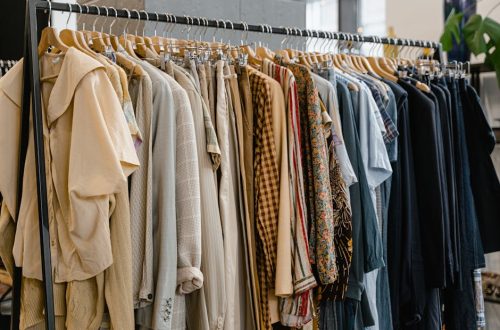
How to Audit Your Closet Before Spending a Single Dollar
This is the step most people skip. They feel behind on trends, and they buy. A closet audit almost always reveals the real problem is not what you are missing — it is what you are not wearing.
- Pull everything out. Not metaphorically. Take items off hangers and out of drawers. You cannot audit what you cannot see.
- Apply the 90-day test. Anything not worn in 90 days needs a reason. Either: wrong season, needs tailoring, waiting for an occasion — or you just do not reach for it. That last group is the problem category.
- Check fit before checking style. A piece that fits badly will never get worn, regardless of how current it is. If something needs alterations and you have not done them in six months, you are not going to do them.
- Write down your actual gaps. After the audit, most people find they are missing one or two specific items — not a whole new wardrobe. Write those down before opening any shopping tab.
- Set a one-in-one-out rule before buying. For every new piece, one leaves. This is not ideology — it is practical. Overcrowded closets are harder to dress from, not easier.
The audit takes about two hours. Most people find it uncomfortable. That discomfort is useful information about how much money has been spent on things that did not ultimately work.
Quiet Luxury Won — and It Is Not Going Anywhere
I will say it plainly: quiet luxury is the most significant aesthetic shift in mainstream fashion in fifteen years. Not because it is new — it is essentially a rebrand of what wealthy people have always worn — but because it is now the dominant aspirational mode across every income bracket, from TikTok to department stores.
What Quiet Luxury Actually Means in Practice
No logos. Natural fabrics — cashmere, wool, linen, leather. A neutral or muted color palette. Fit that is clearly intentional. The quality is visible. The brand is not.
The accessible entry points are genuinely good. The Uniqlo cashmere crewneck ($79.90 in season, frequently discounted to $49.90) looks like a $300 sweater if you steam it and wear it correctly. The COS Tailored Wool Trousers ($175) photograph as Toteme. For a bag, the Polène Numéro Un Mini (~$255) reads as luxury without the Celine price tag — and Polène’s leather quality is honestly better than some brands charging three times as much.
Where to Buy It Without Paying Loro Piana Prices
The actual luxury end is Loro Piana, The Row, and Brunello Cucinelli. Beautiful. Financially ruinous for most people.
The accessible version that actually works: Uniqlo U for knitwear and basics (designed by Christophe Lemaire — that pedigree matters and shows in the cuts). COS for tailoring and outerwear. ARKET for denim and mid-layer pieces. Mango’s Committed collection for linen and natural fabrics in season. These four brands, used intelligently, build 80% of the quiet luxury wardrobe at a fraction of the designer price.
The Sneaker That Is Dating Your Outfit Right Now
Chunky platform sneakers — Balenciaga Triple S silhouette, Fila Disruptors, anything engineered to look maximally ugly-cool — have aged badly and aged fast. The New Balance 990v6 ($200) and the Adidas Samba OG ($100) are the current answer for sneakers that look intentional rather than trying-too-hard. If you are still reaching for the bulky platforms regularly, they are doing the same work to your outfits that square-toe kitten heels did in 2008. Distinctive at the time. Obvious in retrospect.
Should You Actually Overhaul Your Wardrobe?
Is My Wardrobe Too Dated to Save?
Probably not. The only wardrobes that genuinely need a full reset are ones built entirely around a single trend that collapsed — like a closet of nothing but bodycon dresses and sky-high platforms from 2012, or head-to-toe athleisure purchased in 2026 that has since gone saggy. Most wardrobes have a mix: some dated pieces, some classics. The classics stay. The trend pieces exit gradually over two or three seasons.
Can I Transition Gradually Instead of All at Once?
Yes — and gradual is almost always better. The full overhaul temptation is real. There is something satisfying about a clean slate. But it is expensive, and it often produces a wardrobe built for who you wanted to be rather than who you actually are.
A better approach: identify the three pieces doing the most damage to your outfits — usually the ones that make you feel slightly off when you wear them — and replace those first. See how much of your existing wardrobe becomes wearable again. One great pair of trousers can rehabilitate five tops you stopped reaching for. Good pieces make other pieces look better.
What Is Never Worth Keeping Regardless of Trend Status
- Anything that does not fit that you have not tailored in 12 months. You are not going to tailor it.
- Pieces kept for sentimental reasons that you genuinely never wear. These belong in a box, not your rotation.
- Fast fashion pieces past their structural lifespan — visible pilling, seam separation, unintentional fading. Keeping these is a false economy. They make your good pieces look worse by association.
What a Wardrobe That Holds Up Over Time Actually Looks Like
There is no such thing as a truly timeless wardrobe. Fashion always moves. But there is a wardrobe that ages slowly and needs minimal intervention — and it follows a specific logic.
Spend the most on pieces with the longest silhouette life: tailored coats, quality denim, leather shoes, structured bags. A Barbour Beaufort jacket ($449) bought in 2026 will still look intentional in 2031. These categories update slowly and reward real investment. Buying a Loro Piana belt on sale or a second-hand Bottega Veneta wallet is more financially intelligent than buying ten trendy accessories from Zara across the same period.
Spend less on the pieces closest to trend: tops, seasonal knitwear, accessories. The Uniqlo U collection updates every season with prices from $29 to $79. COS does seasonal drops that consistently land slightly ahead of where the high street ends up six months later. These are the places to rotate in current pieces without breaking the budget on items that will feel dated in two years.
The ratio that actually works in practice: roughly 70% stable foundation pieces, 30% current rotation. Not 50/50. Not all classics — that reads as deliberately disconnected from the present. Not all trend — that reads as reactive. The 70% makes the 30% look considered rather than desperate.
Fashion will keep shifting — that is exactly what it is supposed to do. The smartest response is not to resist the movement but to build enough of a foundation that you are choosing what to update, rather than scrambling to keep up every single season.