In the fast-paced world of digital content, an image often has mere seconds to capture attention. The most powerful fashion photographs communicate instantly. They don’t need text to explain their mood, message, or aesthetic. These are the images that stop scrolls and embed themselves in memory.
Achieving this level of visual impact requires a deliberate approach to every element of your shot. It’s about crafting a narrative that unfolds purely through sight. Think of it as visual shorthand. Each choice, from the model’s gaze to the quality of light, contributes to an unspoken story. Here’s how to create fashion images so compelling, they render captions unnecessary.
The Power of Intentional Composition
Composition is the invisible framework of your photograph. It guides the viewer’s eye, establishes hierarchy, and creates harmony or tension. For caption-free images, strong composition is . It ensures your main subject – the garment, the model, the mood – is immediately understood without needing a supporting description.
Don’t just point and shoot. Arrange elements within the frame deliberately. Consider how the viewer’s eye will travel. A well-composed image feels balanced, even if it uses asymmetry for dramatic effect. It has a focal point, clear lines, and a sense of depth that draws the audience in.
Beyond the Rule of Thirds: Dynamic Balance
The rule of thirds is a good starting point, but don’t let it be your only guide. Sometimes, placing your subject dead center creates striking symmetry and power, particularly for editorial shots emphasizing a single, bold look. Other times, an extreme off-center placement generates tension and visual intrigue. Explore asymmetrical balance, where different elements on each side of the frame hold equal visual weight despite their varied sizes or positions. This can feel more natural and less staged. Look for natural frames within your environment, like doorways, windows, or architectural arches, to enclose your subject and draw focus. This technique adds depth and layers to your image, giving it immediate context.
Leading the Eye: Story Through Lines and Depth
Lines are powerful compositional tools. They can be implied or explicit, guiding the viewer’s gaze through the image and straight to your intended focal point. Use natural elements like roads, fences, architectural features, or even the lines of a model’s body or the flow of fabric. Diagonal lines introduce dynamism and energy, while horizontal lines evoke calm and stability. Vertical lines suggest height and grandeur. Introducing elements in the foreground, middle ground, and background also adds depth. This layered approach makes the image feel immersive, allowing a narrative to unfold visually without needing external text. A shallow depth of field, achieved with a wide aperture, isolates your subject, blurring distractions and making the subject pop. This directs immediate attention to the fashion itself.
Light and Shadow: Your Silent Storytellers
Light is arguably the single most important element in photography. It sculpts your subject, dictates the mood, and defines the texture of fabrics. For an image to be caption-free, the light must speak volumes, conveying emotion and context on its own. Soft, diffused light creates a dreamlike, ethereal quality, perfect for delicate fabrics or romantic themes. Hard, direct light can be dramatic, edgy, and reveal intricate textures, often used for architectural or high-contrast fashion. The direction of light also matters: frontal light flattens, side light adds dimension, and backlighting creates a halo effect, separating the subject from the background with a beautiful glow. Experiment with various qualities and directions to see how they transform the same outfit or model.
Mastering Natural Light for Mood and Drama
Natural light is versatile and often free. The golden hour, shortly after sunrise or before sunset, provides warm, soft light that flatters all skin tones and textiles, imbuing images with a romantic, nostalgic feel. Overcast days offer a giant natural softbox, producing even, shadowless light ideal for crisp, clean product shots or detailed fabric textures. Direct midday sun, while harsh, can create dramatic, hard shadows and stark contrasts, which can be harnessed for an editorial, high-fashion aesthetic. Position your model carefully relative to the sun to control shadows and highlights. A window with sheer curtains provides beautiful, diffused light indoors, perfect for intimate portraits or showcasing intricate garment details without harshness. Learn to read the light around you; its qualities change constantly.
Shaping Form with Artificial Sources and Modifiers
When natural light isn’t enough or you need precise control, artificial lighting steps in. A simple speedlight or LED panel can dramatically alter an image. Use modifiers like softboxes or umbrellas to diffuse light, creating a softer, more flattering spread. Grids narrow the light, creating more focused beams and dramatic fall-off. Ring lights offer even, shadowless frontal illumination, often used for beauty shots, creating a distinct catchlight in the eyes. Key light, fill light, and back light work together to sculpt the subject. The key light is your main source, the fill light softens shadows created by the key, and the back light separates the subject from the background. Understanding how each contributes to dimension and mood ensures your subject stands out and their clothing truly shines.
Evocative Styling: Clothes as Language
The garments themselves are the primary communicators in fashion photography. For a caption-free image, the styling must be impeccable and tell a complete story. It’s not just about wearing clothes; it’s about how those clothes interact with the model, the environment, and each other. Every piece, from the main garment to the smallest accessory, contributes to the overall message. A well-styled look should evoke a feeling, suggest an occasion, or hint at a personality without needing a single descriptive word. Focus on creating a cohesive narrative through clothing choices.
- Silhouette and Structure: The overall shape an outfit creates is a powerful visual cue. A flowing, oversized silhouette suggests comfort or drama, while a sharp, tailored line speaks of sophistication and power. Consider how garments move and drape on the body. A structured blazer paired with a fluid skirt creates an interesting tension. A voluminous dress in motion can convey freedom.
- Texture and Fabric Dialogue: Textures add depth and tactile appeal. Juxtapose different materials like rough denim with delicate silk, or plush velvet with crisp cotton. The way light hits these varied surfaces highlights their unique qualities. This contrast creates visual interest and makes the viewer want to reach out and touch the garment, enhancing the immersive experience.
- Color Palette and Mood: Colors are direct emotional triggers. A monochromatic palette can be elegant and minimalist, while vibrant, contrasting colors convey energy and playfulness. Warm tones (reds, oranges, yellows) often feel inviting and energetic, whereas cool tones (blues, greens, purples) can be calming or mysterious. Understand how colors interact and what message they collectively send.
- Accessory as a Statement: Accessories are not afterthoughts; they are crucial narrative tools. A single statement necklace can define a look. A specific handbag can suggest a lifestyle. Hats, scarves, gloves, and eyewear can dramatically alter a character or mood. Ensure accessories complement the outfit’s story, rather than distracting from it. They should reinforce the caption-free message.
Posing Dynamics: Expressing Mood Without Words
Forget stiff, forced poses; true visual impact comes from authentic movement and genuine emotion. A model’s pose and expression are perhaps the most direct way to communicate without words. Every tilt of the head, every hand gesture, every shift in weight conveys a message. A powerful pose can evoke confidence, vulnerability, playfulness, or contemplation. The goal is to make the pose feel natural and effortless, even if it’s carefully directed. It should enhance the garment and the overall story, rather than distracting from it. A static, lifeless pose makes a photograph forgettable; a dynamic, expressive pose makes it resonate.
Capturing Authentic Movement and Flow
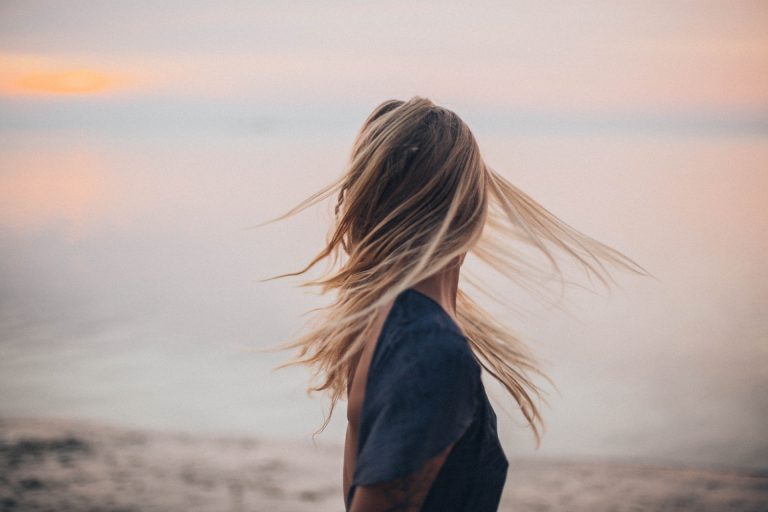
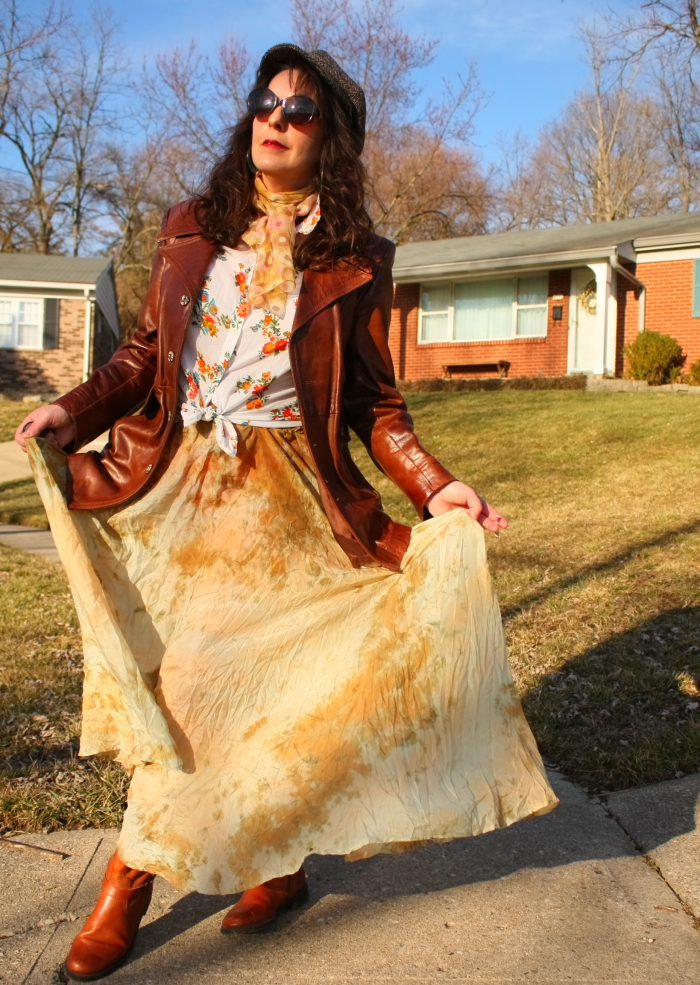
Encourage your model to move naturally. Instead of holding a single pose, ask them to flow between positions. Capture moments in transition. A twirl of a skirt, the swing of a coat, or a step in motion can add incredible energy and realism to an image. This sense of movement implies a narrative unfolding, suggesting the subject is alive and experiencing something, rather than merely posing. Use continuous shooting mode to capture a series of actions, then select the most impactful frame. The slight blur from motion can also add to the dynamism, particularly for capturing the flow of fabric or hair.
Subtle Gestures, Stronger Messages
Sometimes, less is more. A subtle glance, a hand gently resting on a collar, or a relaxed posture can speak volumes. These small gestures feel intimate and relatable, drawing the viewer in with a quiet power. Avoid overly dramatic or clichéd expressions unless they serve a very specific, high-concept editorial purpose. Focus on conveying an internal state. Ask your model to embody a feeling – confidence, curiosity, introspection – rather than just holding a smile. Authentic emotion translates directly into a compelling, caption-free image. The eyes, in particular, are powerful communicators; ensure they convey the intended message.
Background as Co-Star: Enhancing, Not Distracting
The background is never just a backdrop; it’s an active participant in your visual story. For a caption-free image, the background must either subtly support the fashion or provide a clear contextual narrative without overpowering the main subject. A cluttered or distracting background will pull attention away from the clothes, forcing the viewer to search for the meaning. A well-chosen background enhances the mood, provides a sense of place, and reinforces the overall aesthetic. Consider how color, texture, and depth of field in the background interact with your subject.
| Background Type | Effect on Image | Best For |
|---|---|---|
| Minimalist/Plain | Emphasizes garment, clean, sophisticated focus | Editorial, product spotlight, high-fashion, clean aesthetic |
| Urban/Architectural | Adds edge, modernity, contextualizes street style | Streetwear, contemporary fashion, avant-garde concepts |
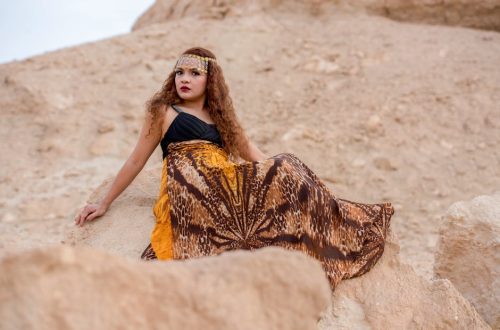
| Natural/Scenic | Evokes mood (calm, wild, romantic), organic feel | Bohemian, resort wear, ethereal, outdoor lifestyle |
| Textured Wall/Surface | Adds visual interest without distraction, subtle depth | Close-ups, showcasing fabric details, fine art fashion |
| Studio with Props | Controlled narrative, thematic storytelling | Conceptual shoots, specific brand campaigns, artistic narratives |
Choosing the right background is a strategic decision. A minimalist white wall puts all the emphasis on the garment itself, allowing its details and form to speak entirely on their own. Conversely, a vibrant street scene or a dramatic natural landscape can place the fashion within a broader context, immediately telling a story about the wearer’s lifestyle or the collection’s inspiration. The key is balance: the background should never compete with the fashion, but rather elevate its message.
The Edit: Refining the Visual Narrative
A great edit doesn’t just polish an image; it amplifies its inherent story. Subtlety is key for caption-free impact. The post-processing stage is where you refine colors, adjust contrast, and sharpen details to ensure the visual message is crystal clear. Avoid over-editing or using filters that detract from the authenticity of the garment or model. Instead, enhance what’s already there. A well-executed edit brings out the textures, makes colors pop (or recede, if that’s the intention), and ensures the overall mood resonates exactly as you envisioned. It’s the final touch that ensures your photograph communicates its full story without a single word.
Creating fashion photographs that need no captions is an exercise in visual storytelling. It requires a deep understanding of composition, light, styling, and human expression. When all these elements align, the image transcends mere representation; it becomes an experience. These photographs don’t just show clothes; they evoke emotion, suggest a lifestyle, and leave a lasting impression, proving that sometimes, silence speaks loudest in fashion.