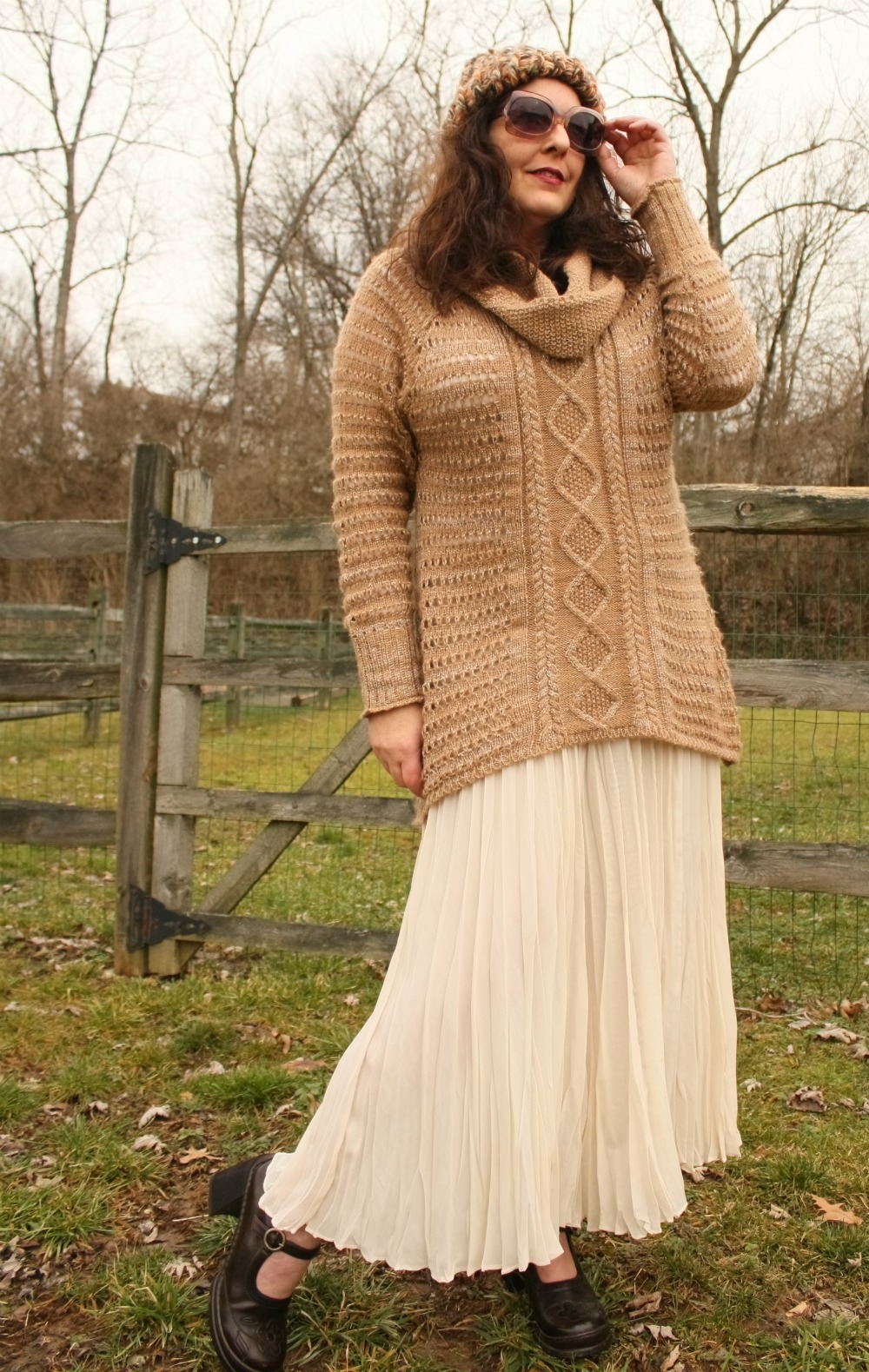
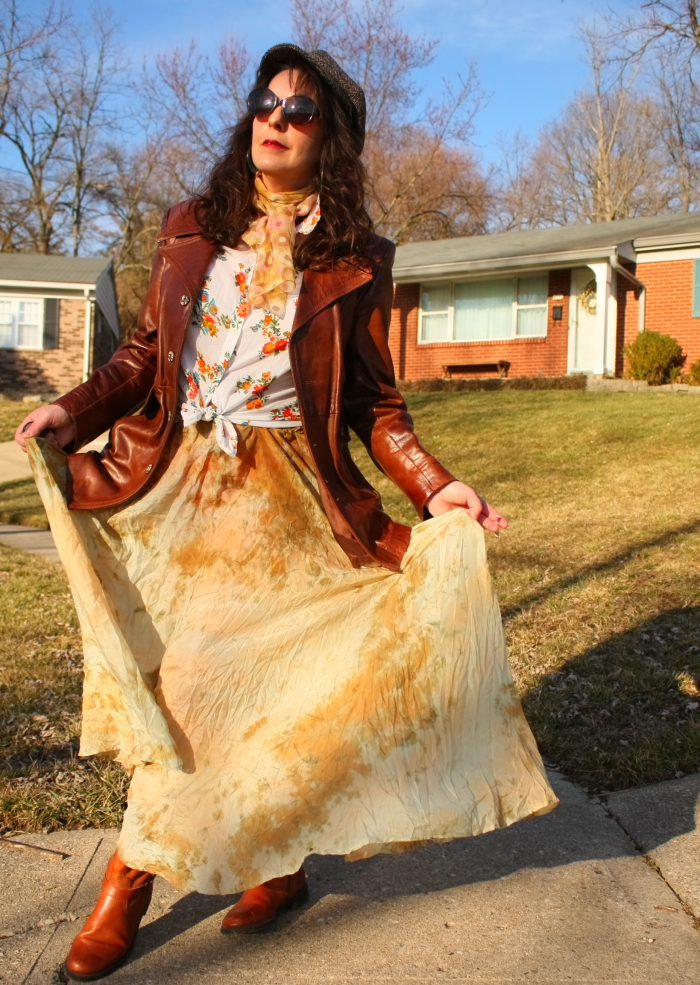
The most important principle to establish before packing anything: a full suitcase is not a well-packed suitcase. Experienced travelers have generally found that ten wrong items will leave you rotating the same two outfits all week, while six right items — selected with intention — cover an entire trip with genuine variety. This guide walks through the documented principles of intelligent travel fashion: what to select, what to skip, which fabrics hold up, and which specific products have proven reliable across different trip types.
This article covers fashion and styling advice only. It is not legal advice — consult a licensed attorney for guidance on customs regulations, duty-free thresholds, or any legal matters related to international travel.
The Foundational Rule: Pack for Activities, Not Days
A five-day trip is not five outfits. It is three to four activity categories.
Map your actual activities — travel days, casual sightseeing, a dinner reservation, a museum visit — and the number of distinct outfit configurations you need typically drops to three or four, with accessory variation filling the rest. Everything else is speculative packing, and speculative packing is the documented root cause of the overloaded carry-on. Travelers who pack for individual days rather than activities return home with two or three items that were never touched.
How to Build a 10-Item Travel Capsule That Actually Works
The capsule wardrobe method for travel is well-documented but frequently misapplied. Most guides tell you to pack neutrals. That is true but incomplete. The fuller principle is this: every item must perform in at least two of your identified activity categories. An item that only works for one scenario is a liability, not an asset.
Here is a reliable 10-item framework based on what experienced travelers have typically reported as their most functional configurations:
- Two pairs of bottoms — one casual (dark jeans or straight-leg trousers), one elevated (tailored pants or a versatile midi skirt). The Quince Washable Stretch Chino ($50) holds its shape through machine washing without visible distortion and performs across both categories without requiring a steamer.
- Three tops — two casual, one that reads slightly more formal. The Uniqlo AIRism Cotton Crew Neck T-shirt ($15–20) is among the most consistently cited base layers in travel communities. It handles moisture, resists odor accumulation, and folds to almost nothing.
- One dress or jumpsuit — the most efficient single item in any travel wardrobe. A wrap style like the Reformation Farrah Dress (~$148) transitions from daytime with sandals to evening with a heel or ankle boot. One item, at minimum three outfit configurations.
- One outer layer — a structured blazer or classic trench reads as both casual and formal depending on what sits underneath. The Banana Republic Heritage Trench Coat ($250, frequently discounted to $150) compresses reasonably and adds visual authority to nearly any base outfit.
- Two pairs of shoes — covered in detail below, but the principle: never more than two for most trips, never fewer.
- Three accessories — two lightweight scarves and one statement earring pair. Accessories shift the apparent outfit without adding meaningful bulk. A single silk-blend square scarf styled differently each day multiplies visible variety across a 10-day trip at near-zero packing cost.
Ten items. Most travelers find this covers a 7–10 day trip with reasonable variety, provided the fabric selections are correct.
Where the Capsule Method Breaks Down in Practice
The most common execution failure is treating “neutral” as synonymous with “beige.” Neutrals in the capsule sense means colors that coordinate without clashing — navy, white, olive, cream, and camel typically satisfy this. Five shades of sand is not a capsule wardrobe. It is an absence of decisions dressed up as a strategy.
The second failure: buying new items specifically for the trip. Items that have not been worn for a full day in your actual life carry unknown problems. A new shoe blisters. A new waistband pinches after four hours. Travel is a poor environment to troubleshoot unfamiliar garments. Every item going into the bag should have existing field evidence behind it.
The Mid-Trip Laundry Factor
A 10-item capsule for a 10-day trip assumes at least one laundry cycle mid-trip. Most hotels rated 3-star and above in Europe and major cities in Southeast Asia offer guest laundry or same-day service for a modest fee — typically $5–15 per load. Factoring this into the plan rather than packing around it is the more efficient approach by nearly every measure. Experienced travelers have generally found that laundry on the road is far less inconvenient than the weight of unnecessary garments.
Fabric Comparison: What the Evidence Shows Survives a Trip
Fabric selection is where most packing plans fail silently. An outfit that looks correct in your bedroom may arrive wrinkled, damp-smelling, or structurally misshapen. The table below documents how common fabric types perform across the conditions that matter most for travel.
| Fabric | Wrinkle Resistance | Moisture Wicking | Pack Efficiency | Verdict |
|---|---|---|---|---|
| Merino wool | Excellent | Excellent | Medium | Best overall — odor-resistant, temperature-regulating, multi-day wear |
| Polyester blend | Excellent | Good (if treated) | Very small | Strong for transit days; can read casual or sporty depending on cut |
| Ponte knit | Very good | Fair | Medium | Reliable for elevated casual and business-casual configurations |
| Cotton jersey | Poor to fair | Poor | Small | Acceptable for T-shirts only; avoid for any structured piece |
| Linen | Very poor | Good | Medium | Avoid unless intentionally accepting the wrinkled aesthetic |
| Silk or silk blend | Very poor | Poor | Small but fragile | High risk; reserve for short trips with checked luggage only |
| Nylon / performance weave | Good | Excellent | Very small | Excellent for active-adjacent trips; increasingly indistinguishable from fashion fabric |
Merino wool consistently outperforms alternatives on the metrics that matter for travel. The Icebreaker Merino 150 Tech Lite Tee ($65) is among the most widely cited examples — worn for multiple days without visible deterioration or odor accumulation. Many travelers who try merino for the first time report genuine skepticism until they field-test it on a trip.
Linen is the clearest fabric to avoid for transit days. It wrinkles aggressively, wicks poorly, and offers no functional advantage over better alternatives. Courts of travel fashion common sense have consistently not ruled in its favor for 10-plus-hour journeys — save it for a slow afternoon in a coastal town where the wrinkles are part of the look.
The Shoe Problem: Your Packing Plan’s Weakest Point
Shoes cause more packing failures than any other category. They are heavy, structurally awkward, and resist efficient packing. Most travelers bring too many and regret the added weight. Some bring too few and regret the blisters.
The recommendation that holds across most trip types: two pairs maximum. One pair must be walkable for 10,000-plus steps without blistering. The Allbirds Wool Runners ($125) and the Vivobarefoot Primus Lite III ($160) are among the most consistently cited options here — both pack flat enough to slide alongside clothing without dead space. Neither is a fashion statement. Both have earned their reputation through sustained use.
The second pair handles elevated occasions. The Everlane The Day Glove ($125) reads as polished without sacrificing comfort across extended walking. For trips that include genuinely formal events, a block-heel ankle boot like the Sam Edelman Laguna (~$100) provides stability on cobblestones that a stiletto structurally cannot.
Handling Trips That Genuinely Require Three Shoe Types
A trip combining hiking, beach access, and city dining is structurally a three-shoe trip. This is the legitimate exception to the two-pair rule. The practical question to ask first: can you purchase or rent the specialized footwear at the destination? In most beach and resort destinations, functional sandals are available locally for under $20. Buying locally eliminates the packing burden without the compromise.
Mechanics: How to Actually Pack Shoes
Shoes go in first, positioned against the wheel base of a rolling suitcase or at the bottom of a duffel. Stuff socks inside the shoe body to preserve shape and recover otherwise unused interior volume. Use separate shoe bags when traveling with light-colored clothing — sole transfer onto fabric is a common and avoidable problem.
Dressing Across Climates: Five Questions to Answer Before You Pack
What is the actual temperature range across the full trip?
A trip that begins in London at 55°F and ends in Rome at 75°F requires a layering strategy, not two separate wardrobes. The standard solution is a single mid-layer — the Patagonia Better Sweater Fleece ($139) addresses the cold end of that range without adding meaningful bulk to a carry-on. One item handles a 20-degree span.
Will there be significant indoor-outdoor temperature transitions?
Air-conditioned museums, restaurants, and transit systems in hot climates require 20-degree adjustments multiple times per day. A linen shirt worn as an outer layer in warm outdoor settings functions as a lightweight jacket in aggressively air-conditioned interiors. Garments with this dual function should be prioritized over single-use pieces every time.
How likely is rain, and how serious?
A packable rain shell solves precipitation without adding meaningful weight. The Uniqlo Blocktech Parka ($70) folds to the size of a paperback. It is not a fashion statement. It is rain insurance, and it earns its place in any carry-on headed to Northern Europe, the UK, or the Pacific Northwest between October and April.
What are the dress code norms at this specific destination?
Religious sites across southern Europe and much of Southeast Asia require covered shoulders and knees at entry. A lightweight scarf or sarong — available locally for $5–15 or from standard online retailers — addresses this completely at near-zero packing cost. Travelers who skip this typically end up purchasing something overpriced at the entrance, which courts of practical experience would characterize as an avoidable outcome.
How physically demanding is the trip’s activity schedule?
For activity-heavy trips, performance fabrics that pass visually as casual wear — such as the Lululemon ABC Pant ($128) or the Vuori Ripstop Climber Pant ($119) — perform work that no denim equivalent can match across a full day of walking, stairs, or light terrain. Packing denim for an active itinerary is one of the most consistently documented comfort mistakes in travel.
When Buying Clothes at Your Destination Is the Right Call
Here is a position most travel fashion guides avoid stating clearly: for trips longer than two weeks, buying two or three clothing items at your destination is frequently more practical than packing for every scenario from home.
The economic and logistical case is straightforward. A 14-day trip to Southeast Asia, where local markets reliably offer quality cotton shirts, casual dresses, and linen separates for $5–15 per item, creates no meaningful packing obligation. You wear the item through the trip, then donate it or leave it at the hotel before departure. The weight and space it would have occupied in your carry-on was never consumed.
Japan presents a particularly well-documented case for this approach. Tokyo’s retail infrastructure — Uniqlo, GU, and hundreds of independent retailers — makes acquiring quality basics easier and sometimes cheaper than equivalent items purchased at home. Many experienced travelers to Japan deliberately under-pack and treat shopping as a scheduled part of the itinerary rather than a packing failure.
This approach breaks down under specific conditions: trips under seven days, destinations with limited retail access, and travelers who require specific sizing that local markets may not carry. Body-type constraints are real and not to be dismissed. Petite travelers shopping in parts of Europe and taller travelers shopping in many Asian markets often find that standard local sizing does not accommodate them. Plan around that reality before arriving at the destination.
Outfit Formulas by Trip Type: Documented Configurations
Based on the most common trip structures, these are the outfit formulas that experienced travelers have generally found reliable. Each formula is a starting configuration — specific activities, dress codes, and climate anomalies require adjustment — but the structural logic holds across most cases.
City Break (3–5 Days)
- Dark straight-leg jeans + Uniqlo AIRism tee + blazer + walking sneaker = default daily configuration
- Swap blazer for an oversized button-front shirt = casual sightseeing, same bottoms
- Reformation wrap dress + block-heel ankle boot = one evening configuration, no additional items needed
- Scarf cycling: neck styling day one, bag accessory day two, museum cover-up day three — three uses, zero added bulk
Beach or Resort (5–7 Days)
- Two swimsuits in quick-dry fabric, one cover-up, one casual linen short, two casual tops
- One elevated dress for dinner — a simple slip style works across most resort dress codes
- One pair of sandals (buy locally upon arrival), one pair of casual sneakers for travel days
- No blazers. No structured footwear. The climate and the itinerary do not require it.
Multi-City Europe (7–14 Days)
- Two Icebreaker merino tops + one merino sweater, washed every 3–4 days without visible wear
- One pair dark tailored trousers, one pair straight-leg jeans
- Packable rain shell — mandatory, not optional, for Northern Europe at any time of year
- One pair quality walking shoes broken in before the trip. This point is non-negotiable.
- One midi skirt or versatile dress providing flexibility across formal and casual occasions
Business Travel With a Leisure Extension
- Two pairs of ponte-knit or M.M. LaFleur Rumi Pants ($195) — wrinkle-resistant and meeting-appropriate straight out of a carry-on
- Three structured tops that work with a blazer across different color combinations
- One blazer, functioning as both meeting room layer and evening layer with swap of shoes
- One casual outfit for the weekend extension: jeans and a relaxed top, kept deliberately separate from the workwear
- Two shoe pairs: clean white sneaker for weekend days, comfortable block-heel boot for business and evening
Travel fashion is moving toward a model where performance, versatility, and considered selection outperform volume every time. The brands building that category — Allbirds, Vuori, Icebreaker, and others working at the intersection of function and aesthetics — are defining what smart packing looks like for the next decade of travel.