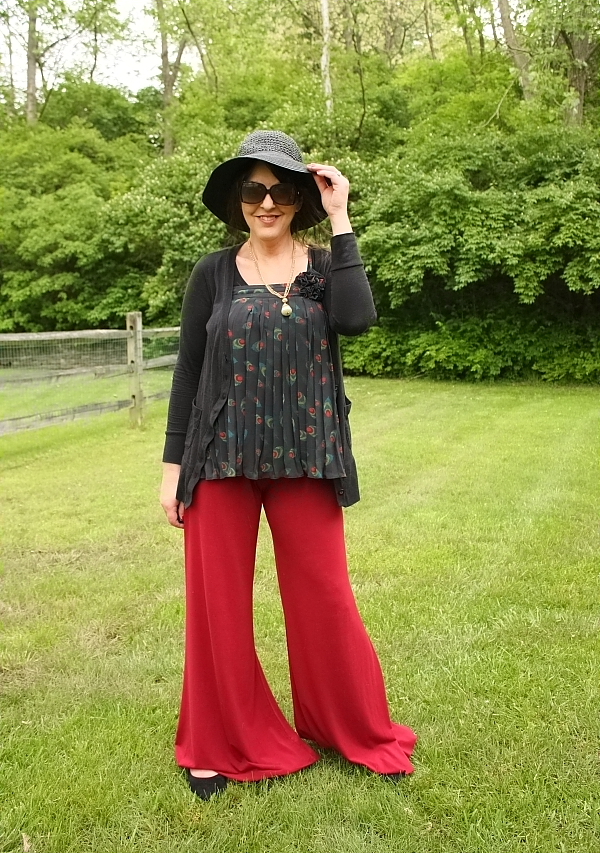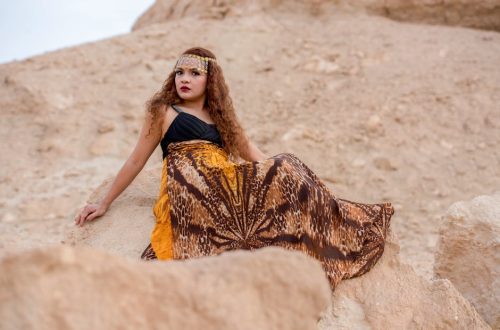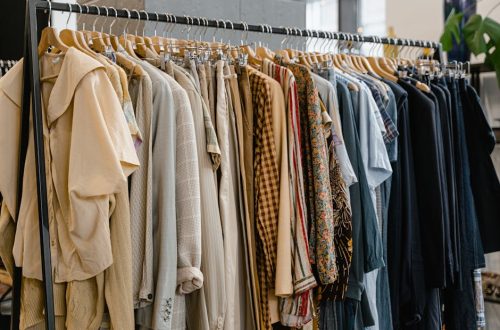
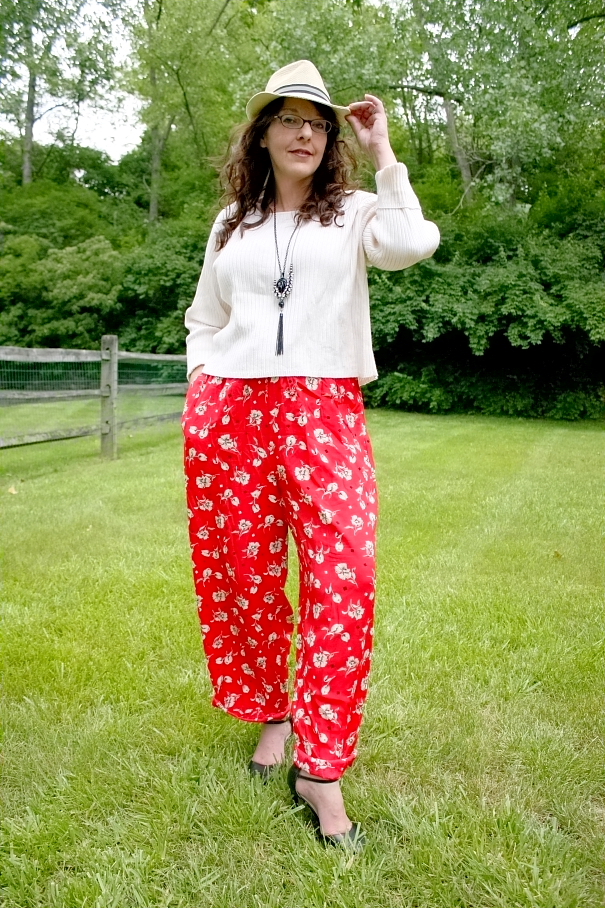
You found a pair of wide-leg floral pants at the thrift store. The print is perfect. The price is $8. But will they actually look good on you, or will they sit in your closet for two years? That’s the real question.
Thrifted wide-leg floral pants have become a staple for anyone who wants personality in their wardrobe without spending $200 on a single pair. The problem is that thrifting takes skill. You need to know fabric, fit, and print scale before you hand over your cash. This guide covers exactly what to look for, what to avoid, and how to style them so they don’t look like a costume.
Why Wide-Leg Floral Pants Work (and When They Don’t)
The wide-leg silhouette creates a long vertical line from waist to hem. That elongates your legs and balances wider hips or shoulders. Add a floral print, and you get visual interest without the bulk of ruffles or pleats.
But not every pair works. The biggest mistake people make is buying pants with a print that overwhelms their frame. A person who is 5’2″ in a giant cabbage rose pattern will look swallowed. A person who is 5’9″ in a tiny micro-floral might look like they’re wearing pajamas.
Print Scale Rule
Match the floral size to your height and build. Petite frames (under 5’4″) should stick to medium-scale florals — flowers about the size of a golf ball or smaller. Taller frames can handle blooms the size of your palm. If you’re curvy, a larger print actually helps because it doesn’t get lost in your shape.
Fabric First
Before you even look at the print, touch the fabric. Run your hand down the leg. Does it feel stiff? Scratchy? Too thin? The best thrifted wide-leg floral pants are made from rayon, linen blends, or cotton poplin. These fabrics drape well and move with your body. Stiff polyester will stand away from your legs and make you look boxy.
A quick test: hold the pants up by the waistband. If the fabric falls straight down with a soft ripple, that’s good. If it sticks out like a cardboard tube, put it back.
How to Judge Fit Without a Dressing Room
Thrift stores often have communal dressing rooms or none at all. You need to assess fit by looking at the pants on the hanger. This is a skill you can learn in 30 seconds.
Look at the waistband first. Wide-leg pants sit best at your natural waist — the narrowest part of your torso. Hold the waistband against your own waist. If it’s more than two inches smaller than your measurement, skip it. You can’t let out thrift store pants easily. If it’s up to four inches bigger, you can wear a belt or have them taken in for $15-20.
The Inseam Check
Flip the pants over and find the inseam tag. Most vintage wide-leg pants have a 28- to 32-inch inseam. If you’re 5’6″ or taller, look for 30 inches or more. If you’re shorter, look for 28 inches or less. Hemming is cheap ($10-15) but only if the pants have enough fabric. Check that the hem isn’t already turned up with a deep fold — that means someone already hemmed them short.
Hip Room
Wide-leg pants need enough room in the hips to avoid pulling across the zipper. Lay the pants flat. Measure across the hip area (about 7 inches below the waistband) and double it. That number should be at least 2 inches larger than your hip measurement. If it’s tight across the hips, the whole pant will pull and distort the floral pattern.
Fabric Quality: The Difference Between $8 and $80
Not all thrifted pants are created equal. Some are cheap fast fashion from 2010. Others are genuinely well-made pieces from brands that cared about construction. Here’s how to tell the difference in 10 seconds.
| Feature | Good Quality | Skip It |
|---|---|---|
| Fabric content tag | Rayon, cotton, linen, silk blend | 100% polyester, acrylic, nylon |
| Seam finishing | French seams, bound seams, or serged edges that lie flat | Raw edges, loose threads, single-stitched seams |
| Zipper | YKK or Talon zipper, metal or sturdy plastic | Cheap plastic zipper that bends when you flex it |
| Lining | Full lining in rayon or cotton | No lining, or scratchy polyester lining |
| Print alignment | Floral pattern matches at the side seams | Print is crooked or doesn’t line up |
The print alignment test is the fastest way to spot quality. Hold the pants up by the side seam. If the flowers don’t match up where the front and back panels meet, the manufacturer cut corners. That pair will look cheap no matter how you style it.
Brands That Made Great Wide-Leg Floral Pants
Not every thrift find has a brand tag. But when they do, certain labels reliably produced well-made wide-leg pants in quality fabrics. Memorize these names.
Levi’s made a lot of wide-leg pants in the 1990s and early 2000s. Look for the “Levi’s Premium” or “Levi’s Vintage Clothing” tags. The fabric is usually 100% cotton or a cotton-linen blend. The floral prints from that era are bold but not overwhelming.
Carhartt is surprising here, but their canvas wide-leg pants from the 1980s and 1990s sometimes came in floral patterns. These are heavy-duty, built to last, and the floral print is usually a subtle all-over pattern rather than giant blooms. Great for fall and winter styling.
Gap and J.Crew from the late 1990s through mid-2000s produced a lot of rayon wide-leg pants with floral prints. These are softer and drape better than modern versions. The sizing runs large, so check the waist measurement carefully.
Lilly Pulitzer is the gold standard for floral pants. Their prints are bright, bold, and instantly recognizable. The fabric is usually a cotton-silk blend that breathes well. A pair of thrifted Lilly Pulitzer pants in good condition can sell for $40-60 online, but you might find them for $10 in a store. If you see the signature bright pink tag, grab it.
How to Style Thrifted Wide-Leg Floral Pants in 2026
The biggest fear people have is looking like they’re wearing a costume from 1972. The fix is simple: balance the volume and pattern with modern, simple pieces.
A plain white t-shirt is the easiest pairing. Tuck it in to show the waistband. Add a cropped denim jacket or a fitted black blazer. The contrast between the soft floral pants and a structured top creates a look that reads intentional, not accidental.
Shoes matter a lot. Wide-leg pants can make you look shorter if the hem hits at a weird spot. The safest option is a low platform sneaker or a chunky loafer. Both add height without looking like you tried too hard. Avoid ballet flats — they get lost under the wide hem and make your feet look tiny.
Color Matching
Look at the background color of the floral print. That’s your neutral. If the background is cream, wear cream tops and shoes. If it’s navy, wear navy. Pulling one color from the print creates a cohesive outfit without matching anything exactly.
Layering for Cold Weather
Floral pants don’t have to be spring-only. Wear them with a thick turtleneck sweater in a solid color that matches one of the flowers. Add tights underneath if the fabric is thin. A pair of thrifted wide-leg floral pants in a dark background with burgundy or rust flowers works perfectly from September through March.
Common Mistakes That Ruin a Good Find
You found the perfect pair. Don’t ruin them with these errors.
Buying pants that are too long. A wide leg that drags on the ground gets dirty, frayed, and dangerous (you will trip). Hem them to 1 inch off the ground when you wear your normal shoes. That’s a clean break.
Ignoring the waist gap. If the waist is 4 inches too big, you can wear a belt, but the fabric will bunch around your midsection. A tailor can take in the waist for $15-25. Budget for that before you buy.
Washing with hot water. Many vintage rayon pants shrink dramatically in hot water. Wash them cold, hang dry, and steam out wrinkles. Never put them in the dryer unless you want capris.
Keeping pants with stains. Floral prints hide stains well, but not forever. Hold the pants up to a bright light. Look for faded spots, yellowing under the arms, or faint brown marks near the hem (water damage). Some stains come out with a soak in OxiClean. Some don’t. If you can see it in good light, assume it’s permanent.
Forgetting the dry clean tag. If the tag says “Dry Clean Only” and the fabric is rayon or silk, don’t risk washing it at home. Dry cleaning costs $8-12 per pair. Factor that into your total cost. A $10 pair of pants that needs $12 dry cleaning every three wears is still cheaper than buying new, but you need to know upfront.
The thrifted wide-leg floral pant is one of the most satisfying finds in secondhand shopping. It’s a piece with history, personality, and a silhouette that flatters almost every body type when chosen carefully. The key is knowing what to look for before you buy, not after you get home. Use the fabric test, the print scale rule, and the brand cheat sheet above, and you’ll leave the thrift store with pants you actually wear — not pants you’ll re-donate next year.