The Core of Hippie Style (and Why Most People Get It Wrong)
Most people think hippie fashion means throwing on a headband and calling it a day. That’s the wrong read entirely. The actual aesthetic is rooted in anti-conformity — fluid silhouettes, handcrafted details, natural fabrics, and layering that looks effortless because it’s intentional. The 1960s and ’70s original had a reason for every piece. Modern boho fashion loses that reason and just copies the surface.
The result? People end up wearing stuff that reads “Halloween costume,” not “intentional style.”
What the Original Hippie Aesthetic Was Actually About
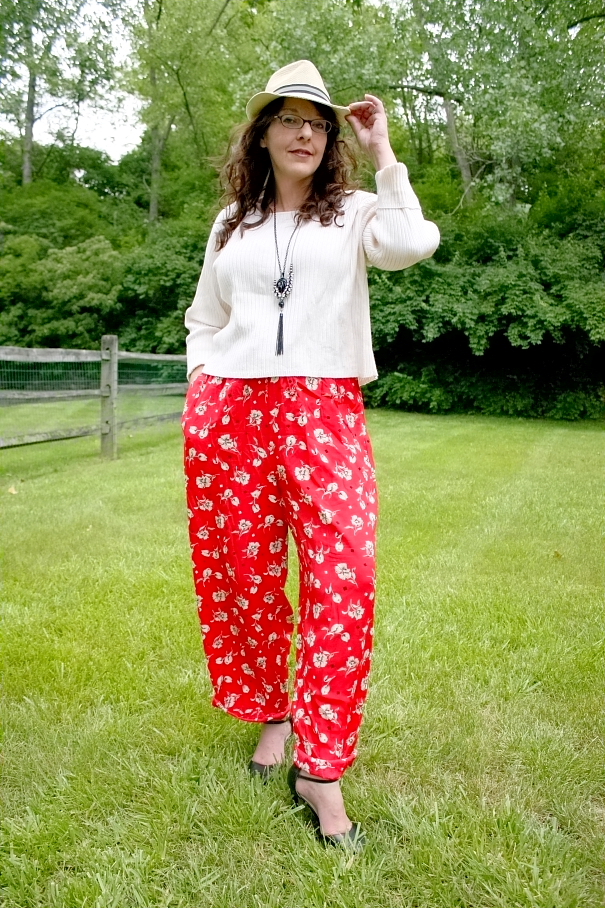
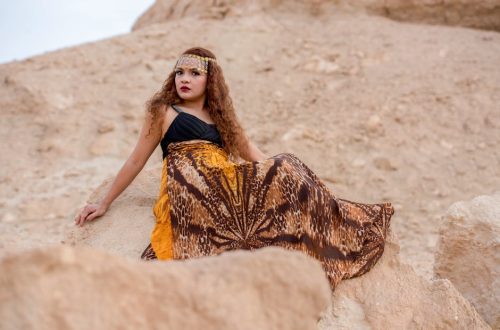
Hippie fashion was a rejection of structured, corporate dressing. Peasant blouses, wide-leg trousers, and flowy maxi dresses weren’t random — they were a deliberate counter to the buttoned-up silhouettes of mainstream 1950s fashion. The fabrics were natural: cotton, linen, suede, crochet. The colors were earthy or jewel-toned, often hand-dyed with batik or tie-dye techniques.
Today, Free People ($50–$200 per piece) captures this ethos better than almost anyone at the mid-range. Their embroidered blouses and linen trousers feel rooted in actual craft, not just nostalgia. Spell & the Gypsy Collective, an Australian brand, does similar work with vintage-inspired prints and natural fabrics — their signature printed maxi dresses run $220–$400 but hold up for years and photograph beautifully across all seasons.
The Actual Difference Between Boho and Hippie
“Boho” is the commercial evolution of hippie style. It borrows the silhouettes and earth tones but strips out the political undercurrent and handcraft emphasis. Anthropologie and FARM Rio live firmly in boho territory — polished, print-forward, suitable for brunch or a rooftop event. Neither is wrong, but knowing which lane you’re in helps you build a coherent wardrobe instead of a pile of mismatched fringe and regret.
If your pieces cost under $60 and are made of polyester, you’re not doing hippie fashion. You’re doing costume. That distinction is worth internalizing before you buy anything else.
The Pieces That Define the Look (And Which Ones Are Optional)
Not every piece in the hippie wardrobe carries equal weight. Some are foundational. Others are accent pieces you pull out once in a while. Here’s how to separate them:
Foundation Pieces Worth Buying
- Maxi dress or skirt: Floor-length, flowing, made from cotton gauze or linen. Free People’s “Sundrenched Maxi” in cotton gauze ($128) is a reliable and genuinely flattering entry point.
- Wide-leg or flared trousers: Not palazzo pants — actual flared jeans or linen wide-legs with a real waistband. AGOLDE makes a flare-cut denim ($248) that reads vintage without trying too hard.
- Peasant blouse or embroidered top: Off-shoulder or billowy-sleeved, with visible embroidery or crochet detail. Johnny Was (California-based) does exceptional embroidery work at $120–$250 a piece.
- Platform sandals or clogs: Chunky soles, leather or suede straps. The Birkenstock Boston clog ($150) and the Steve Madden “Griff” platform sandal ($100) both work across outfit types.
Accent Pieces (Use Selectively — Two Max Per Outfit)
- Fringe jacket or vest — one piece per outfit, not layered over already-busy tops
- Wide-brim felt or straw hat
- Layered necklaces mixing metals and textures
- Vintage-style round sunglasses
- Suede crossbody or woven market bag
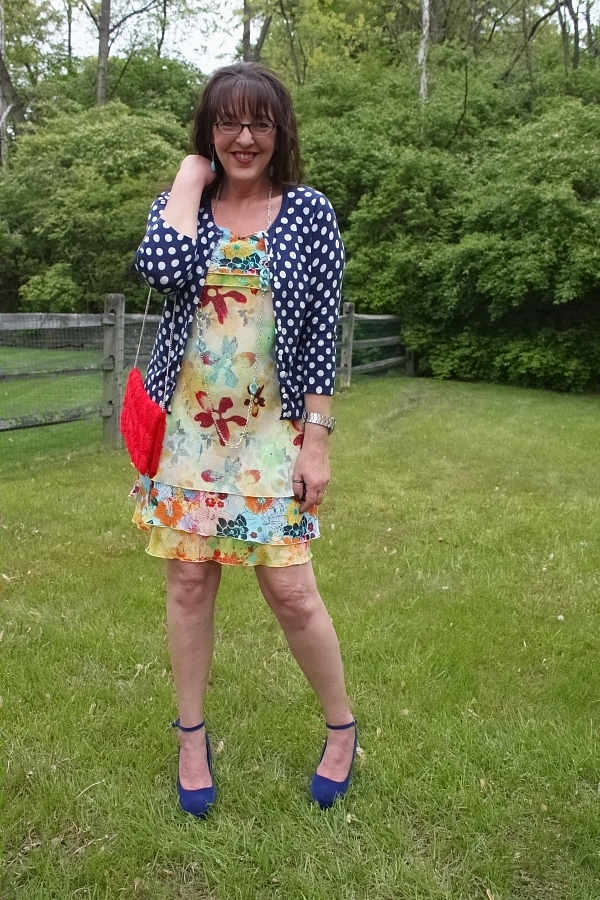
The mistake people make: they wear all the accent pieces simultaneously. Pick two. The peasant blouse plus fringe jacket plus three necklaces plus the hat is too much. The outfit stops being a style statement and starts being a statement about how hard you’re trying.
Quick rule: if your outfit requires explaining to people that it’s intentional, it’s not working.
Brands That Get Boho Right — Honest Assessment
Here’s a direct comparison of the brands doing hippie and boho style well, with real price ranges and specific verdicts on who they’re actually for.
| Brand | Price Range | Best For | Honest Verdict |
|---|---|---|---|
| Free People | $50–$250 | Everyday boho, festival basics | Best mid-range option. Quality varies by piece — buy in-store if you can touch the fabric first. |
| Spell & the Gypsy Collective | $180–$450 | Statement pieces, events, investment buys | Best overall aesthetic in the category. Worth the price for one or two hero pieces per season. |
| Johnny Was | $120–$350 | Embroidery-forward, grown-up boho | Best for women 35+ who want bohemian without festival-crowd vibes. Sophisticated and understated. |
| FARM Rio | $80–$300 | Bright prints, tropical boho | More joyful than earthy. Best if you prefer color over muted tones. Not traditional hippie. |
| Faithfull the Brand | $150–$400 | Resort, travel, summer events | Clean boho aesthetic, less hippie, more Amalfi Coast. Excellent for warm-weather occasions. |
| Zimmermann | $400–$800 | Luxury boho, special occasions | The benchmark for proportion and craft. Worth studying even if the price is out of range. |
| Lucky Brand | $60–$180 | Denim-forward boho, casual layering | Good for jeans and basic pieces. Not statement-worthy on its own. |
| Urban Outfitters | $30–$120 | Trend-testing, starter pieces | Fine for testing the aesthetic cheaply. Do not build a wardrobe here — fabrics don’t last. |
For a first purchase: start with Free People. For an investment piece that signals genuine understanding of the aesthetic: Spell & the Gypsy Collective’s printed wrap dress is the one. It’s $250–$320 depending on the print, and it never looks cheap in photos.
Festival Boho vs. Everyday Boho: The Rules Are Different
This distinction matters more than most style guides acknowledge, and confusing the two is where the “costume” problem starts.
What Works at a Festival That Fails Everywhere Else
Festival-specific pieces — body glitter, flower crowns, crop tops layered over bralettes, matching fringe two-piece sets — are entirely context-dependent. At a music festival, a Spell & the Gypsy Collective mini dress with a fringe crossbody and platform boots reads as a polished festival look. In a coffee shop on a Tuesday, that same outfit reads like you overslept after the afterparty.
Hard rule: flower crowns, body chains, and full fringe co-ords stay at the festival. Everything else can travel into everyday rotation.
Building an Everyday Hippie Wardrobe That Actually Works
Everyday hippie style works when it’s grounded by at least one non-boho element. A Free People linen maxi skirt with a simple fitted white tee and Birkenstock clogs is legitimately wearable anywhere casual. Add a denim jacket for structure and you’re done. The key is anchoring — one clean, simple piece in the outfit that stops it from reading as costume.
Context check before you get dressed: a maxi dress and leather sandals reads as “casually stylish.” That same dress with a wide-brim hat, layered necklaces, and a fringe bag reads as “lifestyle influencer trying to go viral.”
The Transitional Pieces That Move Between Both Worlds
Some pieces travel effortlessly between festival and daily wear. Vintage or customized embroidered Levi’s denim jackets, wide-leg jeans from AGOLDE, and leather platform sandals from Madewell (their “Claudia” platform sandal runs $128) all move across contexts cleanly. These are worth investing in. The matching fringe co-ord from a festival vendor — that lives and dies at the festival.
Three Styling Rules That Change the Whole Aesthetic
Hippie fashion lives and dies by proportion and restraint. The best-dressed people in this aesthetic follow these three rules without exception.
Rule 1 — One Statement Piece Per Outfit, Full Stop
If the top is doing the work — embroidery, bold print, volume — the bottom should be plain. If the skirt is floor-length and tiered, the top should be fitted and simple. This is proportion management, and it’s the single most important skill in wearing boho well. Zimmermann builds every campaign look around this principle. Study their lookbooks even if you’re buying at a quarter of the price point.
Rule 2 — Natural Fabrics or Don’t Bother
Polyester and synthetics undermine the entire aesthetic. A $35 boho dress from a fast fashion site in polyester doesn’t just feel cheap — it moves cheap, photographs cheap, and starts pilling after eight washes. Cotton, linen, silk, suede, crochet, and handwoven textiles are the point. This is why spending more at Free People or Spell usually pays off: the fabric quality is the actual difference between looking styled and looking like you found the costume section at a discount store.
Rule 3 — Fit Before Vibe, Every Time
A flowy silhouette still needs to be fitted somewhere — waist, bust, or shoulder. A peasant blouse that fits your frame reads completely differently from one that’s just large on you. Know your measurements before ordering online. Spell & the Gypsy Collective dresses in particular tend to run small in the bust — size up at least one, sometimes two. Faithfull the Brand runs true to size but narrow in the shoulders. Check the brand-specific size notes, not just the generic size chart.
The One Thing Hippie Fashion Actually Gets Right
It’s the only major fashion aesthetic that genuinely rewards buying less. One Spell & the Gypsy Collective wrap dress that fits perfectly and holds its color through five years of wear beats a drawer full of $30 boho tops that pill after three washes. The philosophy — fewer, better, more intentional — happens to be excellent practical advice regardless of aesthetic.
When Hippie Style Isn’t the Right Call
Not every setting suits boho, and knowing when to opt out protects you from the most common styling mistake in this category. The mistake isn’t wearing hippie fashion — it’s wearing it everywhere without adjusting.
Work Environments
Unless you work at a creative agency, a yoga studio, or a fashion brand, full boho at work reads as unprofessional. The silhouette is the problem, not the individual pieces. Wide-leg trousers, an embroidered blouse, and platform sandals can work in office environments when kept minimal and tailored. An embroidered blouse tucked into straight-leg trousers? That’s a credible work outfit. A tiered maxi skirt with a peasant top, fringe earrings, and a woven bag? That’s a weekend look that wandered into the wrong room.
The practical fix: use one boho element per work outfit and keep everything else structured and neutral. The embroidered detail should be the only conversation piece in the outfit, not one of six.
Formal Events
Weddings, galas, and professional events call for structure. The hippie aesthetic is fundamentally unstructured — that’s its strength in casual settings and its weakness everywhere formal. Zimmermann’s more tailored pieces can bridge this gap (think embroidered midi dresses with structured bodices and defined waistlines at $450–$650), but if you’re reaching for floor-length tiers and fringe at a black-tie event, reconsider. Faithfull the Brand is the better call here — it captures the bohemian spirit with enough polish and structured cut to read as intentional formal dressing.
Cold Weather
Boho fashion was designed for warm climates and it fights winter hard. The solution isn’t layering more scarves and kimonos over your maxi dress until you look like a walking market stall. It’s shifting to a cold-weather version of the aesthetic: wide-leg corduroy trousers, shearling-lined platform boots, a cream ribbed turtleneck, a suede or leather jacket with minimal detail.
Both Madewell and Free People produce cold-weather boho pieces actually constructed for real temperatures. Free People’s thermal-lined suede boots ($200–$280) and corduroy wide-legs ($100–$140) are the right tools. Wearing a linen maxi in January isn’t a fashion statement. It’s a philosophy problem.
The brands in this space are investing more in year-round collections than they were five years ago — which means the excuse of “there’s nothing to wear in winter” is no longer valid. The aesthetic has the range. Whether buyers choose to use it is another question entirely.