I’ve ruined at least six pairs trying to get this right. Chipped frames by day three. Smeared designs from sunscreen contact. Paint that looked great until the first heat wave buckled it clean off the frame. If you’re here because your last attempt didn’t hold, the problem almost certainly wasn’t the paint — it was the prep and the finish. Here’s the short version: use Posca markers or Angelus acrylic paint, prime with a plastic adhesion promoter, seal with Angelus 2-Hard Finisher. Everything else is technique. Why Painted Sunglasses Fail Before They Should The number one mistake is skipping adhesion…

-
-
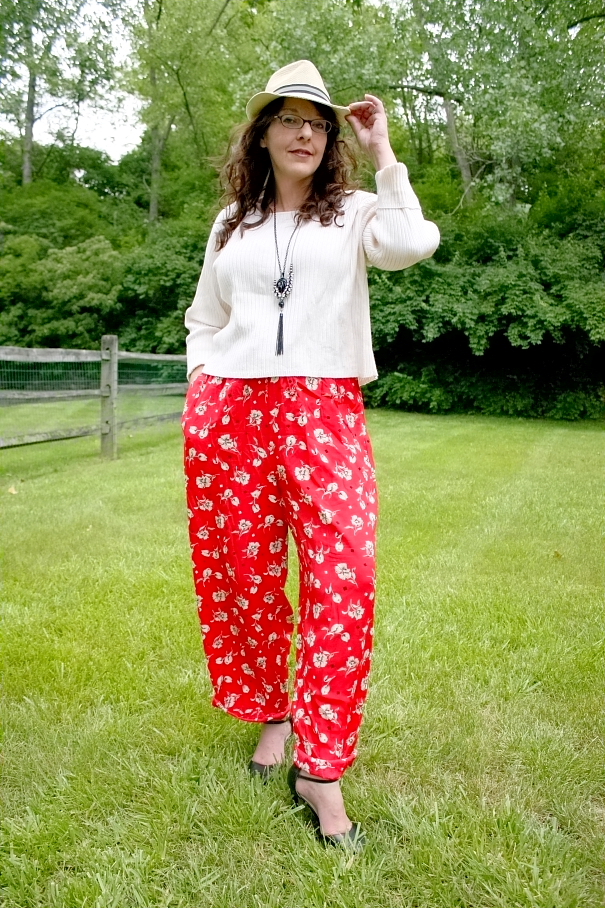
You found a pair of wide-leg floral pants at the thrift store. The print is perfect. The price is $8. But will they actually look good on you, or will they sit in your closet for two years? That’s the real question. Thrifted wide-leg floral pants have become a staple for anyone who wants personality in their wardrobe without spending $200 on a single pair. The problem is that thrifting takes skill. You need to know fabric, fit, and print scale before you hand over your cash. This guide covers exactly what to look for, what to avoid, and how…
-
The Core of Hippie Style (and Why Most People Get It Wrong) Most people think hippie fashion means throwing on a headband and calling it a day. That’s the wrong read entirely. The actual aesthetic is rooted in anti-conformity — fluid silhouettes, handcrafted details, natural fabrics, and layering that looks effortless because it’s intentional. The 1960s and ’70s original had a reason for every piece. Modern boho fashion loses that reason and just copies the surface. The result? People end up wearing stuff that reads “Halloween costume,” not “intentional style.” What the Original Hippie Aesthetic Was Actually About Hippie fashion…
-
Pattern mixing occupies an odd position in fashion — technically there are no binding rules, but most stylists agree on what works and what reads as an accident. The framework below reflects approaches that consistently produce successful results across price points and style registers, from Ganni’s Scandinavian print layering to Zimmermann’s resort aesthetic. These are principles, not guarantees. The Three Rules That Actually Govern Pattern Mixing Pattern mixing has a hierarchy. The difference between an outfit that reads as intentional versus one that reads as rushed typically comes down to three variables: scale contrast, color anchoring, and pattern family. Get…
-
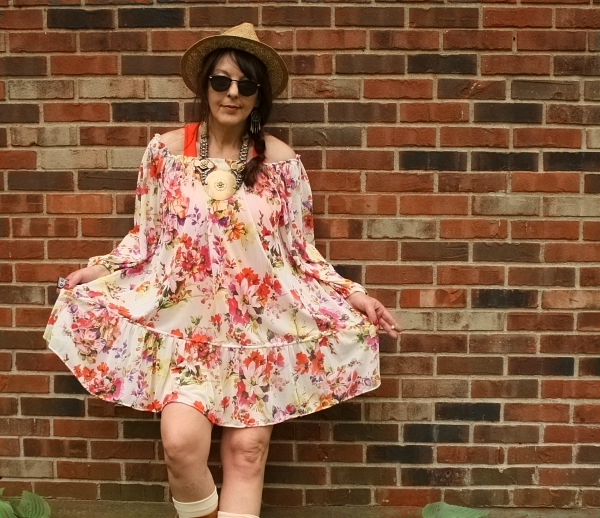
I’ve been navigating the world of floral fashion for decades. Every spring, every summer, I see the same patterns, the same missteps. Trust me, I’ve made them all – from drowning in ditsy prints to wearing full-on botanical gardens. But after years of trial and error, I’ve finally figured out what actually works. Here’s the unfiltered truth about wearing florals, what to skip, and the pieces I genuinely recommend for a wardrobe that truly blooms. Ditching the Dainty: Why Oversized Florals Always Win Here’s my absolute, non-negotiable rule: avoid tiny, ditsy floral prints. I know, I know, they seem sweet…
-
We’ve all been there: you pull out that gorgeous pleather jacket or those sleek pants you scored at Zara or H&M, only to find it. That dreaded, inexplicable peel. A tiny flake at first, then a spiderweb of cracks, eventually revealing the fabric beneath. It’s infuriating, especially when the piece still looks great otherwise. I’ve owned more pleather than I care to admit over the years – jackets, skirts, bags, even a pair of faux leather Doc Martens that held up surprisingly well. Through trial and error, a lot of ruined garments, and some genuine victories, I’ve learned exactly why…
-
You’ve seen it: the person at a themed party who looks utterly authentic, not like they pulled an outfit from a rental shop. Or maybe you’ve tried to infuse a touch of old-world charm into your daily wear, only to feel more like you’re in a school play than making a fashion statement. The line between ‘costume’ and ‘couture’ can be razor-thin, especially when dealing with distinctive historical pieces like lace and spats. These aren’t just relics; they’re powerful style elements, if you know how to wield them. The trick lies in understanding their origins, their aesthetic weight, and how…
-
The knotted shirt has been a fixture in street style for years — runways, vacation photos, every “effortless” outfit post you’ve scrolled past. It’s held on because it solves a real problem: how to make a basic top look considered without buying anything new. But there’s a genuine gap between a knot that reads as deliberate and one that looks like you got interrupted mid-tuck, and that gap comes down to technique, fabric, and placement. The Front Knot: A Complete Guide to the Move That Started It All The front knot — gathering the hem of a shirt or blouse…
-
Think about the clothes you own. Now, consider how many times you’ve actually worn each item. A surprising fact: the average garment is worn just 7-10 times before being discarded. This contributes to an estimated 92 million tons of textile waste globally each year. That’s a truckload of textiles landfilled or incinerated every single second. This isn’t just about environmental impact; it’s about a fundamental misunderstanding of value in our wardrobes. We’ve been conditioned to chase fleeting trends, often overlooking the true cost of fashion. It’s not just the number on the price tag, but the time an item lasts,…
-
You’re eyeing that stunning green lace dress. Or maybe a top. You see it on the runway, on some influencer, and it looks incredible. Then you try it on. Suddenly, it’s less ‘couture goddess’ and more ‘prom night disaster circa 2006.’ Or worse, it looks cheap. You know green lace can be chic. So why does it feel like a trap? Here’s the deal: it’s not the green lace itself that’s the problem. It’s how you pick it and how you wear it. Stop making excuses. Let’s fix this. The Green Lace Problem: Why It Often Fails Most people get…